FriendCrib Mag

Throwbacks, how-tos and the history behind the internet we grew up on.

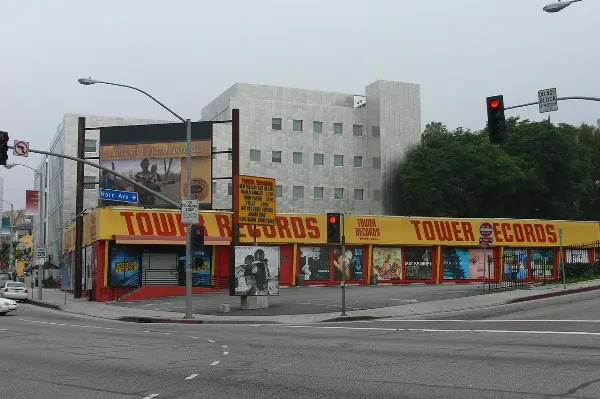
A Tower Records store from the outside Cover throwbackFlipping Through CDs at Tower RecordsTower Records was the music store where people flipped through CD racks for hours, until its last US store closed in 2006. New albums came out on Tuesdays.

Profiles & Friends

  • Thanks for the Add and the Comments That Filled Every Profile

    Thanks for the add was the polite thing to write on someone's MySpace profile after they accepted your friend request, and for a few years it was one of the most common sentences on the internet. Profile comments sat in a box near the bottom of every page, newest on top, and anyone who visited could read them. People left typed notes and inside jokes, plus huge pasted pictures that said things like "Have a great weekend!" in sparkly letters. The comment box was half guest book and half public chat. For a lot of people it was the first thing they checked after logging in.

  • Why Did Photobucket Pictures Break?

    Photobucket pictures broke in 2017, when the site started charging people to show their images on other websites. Photobucket was the free image host that millions of people used in the 2000s to store photos and post them on MySpace pages, forums and auction listings. You uploaded a picture and copied a code, then pasted it wherever you wanted it to show up. When the rules changed, a lot of old pictures across the web turned into gray boxes, and nobody got a warning that felt like one.

  • Taking Quizilla Quizzes and Posting the Results

    Quizilla was a website where users wrote their own personality quizzes and anyone could take them, and it went online at the end of July 2002. The quizzes asked a handful of multiple choice questions and then told you which character, color, animal or band you were. People posted their results on blogs and profiles to show their friends, and many took dozens of quizzes in one night.

  • How to Write an About Me People Actually Read

    A good About Me is short, specific and sounds like you talking. It tells a visitor a few real things about you, gives them something to comment on and leaves out the stuff everyone writes. The best ones read like a note from a friend, and most of them are under 150 words. Grab your profile and follow along.

  • Browsing MySpace by Zip Code

    You could browse MySpace by zip code, and for a lot of people it was the first time the internet pointed them at someone in their own town. The Browse page let you search members with a few simple filters: whether you were looking for men, women or both, an age range, and a distance from a zip code. You could also ask for profiles with photos only and pick what people were on the site for, like friends, networking or dating. Plenty of friendships, and more than a few local band shows, started with a search on that page.

  • Old-School HTML Tricks You Can Still Use

    Yes, old-school HTML tricks still work on FriendCrib. People used this simple code to decorate profiles, journals and homepages in the 2000s: <b> for bold, <font color> for colored text and <marquee> for scrolling words. Most modern sites quit letting you use it years ago. Your About Me and the other profile boxes here still take it, so this is how the classics work and how to use them without wrecking your crib.

See all 20 in Profiles & Friends
  • Is There a New MySpace?

    There isn't one official "new MySpace," but there are a few sites built to bring back what people miss about it. MySpace itself is still online as a music and entertainment site, but the old profiles and most of the old music are gone. Among the newer options are SpaceHey, a MySpace-style network that launched in 2020, and FriendCrib, the site you're on right now. Yes, we're biased, since we built FriendCrib, but we'll still try to give you a straight answer.

  • How to Make a MySpace-Style Profile Today

    You can make a MySpace-style profile today in about fifteen minutes by getting a crib on FriendCrib. It's free, and it has the things people miss: your own colors and background, a profile song, a Top 8, friends commenting on your page, and no algorithm deciding who sees you. Nothing to install, and nobody to ask for the code.

  • How We Picked Our Screen Names

    If you ever typed a name into a sign-up box in about thirty seconds and then lived with it for years, you made a screen name. It was the name you used on AIM, MSN, message boards and early social sites. Most people picked their first one around age twelve or thirteen, which is why so many of them were a little ridiculous, and why people still remember theirs.

  • Nobody Knew What a Facebook Poke Meant

    Nobody ever explained what a Facebook poke meant, and the button never said. It sat on every profile next to a plain blue Wall where friends wrote messages, and it came from a site that started in February 2004 as TheFacebook, open only to Harvard students. For its first couple of years you needed a college or high school email to join, and every status had to start with the word "is." It opened to everyone 13 and older in September 2006, before the News Feed and apps changed the whole feel of it. There's more about that in writing on someone's Facebook Wall.

  • It's Complicated: Changing Your Facebook Relationship Status

    Facebook's relationship status was a line on your profile that told everyone where you stood: single, in a relationship, engaged, married or, famously, "it's complicated." It was one of the site's earliest features, from the days when Facebook was mostly for college students. When you changed it, the update showed up in your friends' News Feeds, so a new couple or a breakup became public news in seconds. By the late 2000s, people had a name for the moment a relationship went public. They called it Facebook official.

  • MySpace Bulletins and the Surveys We All Reposted

    MySpace bulletins were posts that went out to everyone on your friends list at once, and surveys were long lists of personal questions people filled out and passed along. In the mid-2000s the two combined into one of the most addictive habits online. You filled out a survey at some ridiculous hour, posted it as a bulletin, and waited for your friends to read every answer.

  • Glitter Graphics and Sparkly Everything

    You opened your profile and the comment box twinkled back at you, a pink HAPPY FRIDAY from a friend you hadn't seen all week. Glitter graphics were sparkly animated images people posted on profiles and in comments during the 2000s. They said "Happy Friday!" or "Thanks for the add!" or just a friend's name in shimmering pink letters. If you had a profile back then, you sent dozens and got dozens back, and your page probably took a moment to finish twinkling.

  • 16 Things Everyone Had on Their Profile in 2006

    A 2006 profile was a mix of the same few ingredients, arranged a little differently by every single person. If you had a page on MySpace or anywhere like it, you probably had most of these. Count how many were on yours.

  • Online Now! and the Last Login Date Everyone Checked

    If you ever opened someone's MySpace page just to see whether the "Online Now!" icon was there, you were using the site's most watched detail. The icon told you who was on the site without a single message, and a "Last Login" date in the box under their photo showed the last time they had been. Neither looked like a big deal, but both became the most watched details on the site because they answered questions nobody was brave enough to ask. Was your crush up right now? Had your best friend logged in since your fight?

  • The MySpace Angle and the Mirror Selfie

    Chin down, eyes up, one arm stretched as high as it would go: that was the MySpace angle, and the little click usually led to a second try. It was a selfie taken with the camera held high above your head at arm's length, tilted down so your face looks bigger and the rest of you shrinks. It was the classic profile picture of the mid-2000s, right next to the mirror selfie, where you pointed a digital camera or flip phone at a bathroom mirror. Phones didn't get front-facing cameras for video calls until the iPhone 4 in 2010, so taking your own picture took some creativity. By 2013 the word "selfie" was so common that Oxford Dictionaries named it the Word of the Year.

  • What Happened to Friendster?

    You waited a full minute for a Friendster profile to load and decided that was a perfectly normal way to spend a Friday night. Friendster was one of the first big social networking sites, and for a while in 2003 it was the place everyone was talking about. Jonathan Abrams started it in 2002, opened it to everyone in early 2003, and it let you make a profile, add friends and see how you were connected to people through those friends. Millions of people signed up within months. Then the site got slow, the rules got strict, and a lot of its users moved on to MySpace.

  • Whatever Happened to MySpace (and Tom)?

    MySpace still exists, but the site most people remember is gone. It launched in 2003 and briefly became the most visited website in the United States in 2006. Facebook took the lead between 2008 and 2009, and the company sold in 2011 for a small slice of what it once cost. In 2019 it admitted that more than a decade of uploaded music and photos had been lost. Tom, everyone's first friend, left the business and became a photographer in Hawaii.

  • Under Construction Signs and Personal Homepages

    A little cartoon worker with a shovel could stay on a web page for years without ever finishing the job. That was the under construction sign, and it hung on the personal homepages regular people built in the late 1990s and early 2000s on free hosts like GeoCities and Angelfire, with Tripod for anyone who got there late. Nobody was building a brand. You made one because the free host said you could, and you had a whole Saturday. The people who made them really owned them, every page looked different, and you learned a lot about someone from what they put on it.

  • Who Made Your Top 8?

    You moved your best friend from #1 to #3 after a fight, then kept refreshing your own page to see if she'd noticed. The Top 8 was a box on your MySpace profile that showed eight friends, in an order you chose, to everyone who visited. It faded out as people left MySpace for sites built around feeds and follower counts. For a few years, though, eight little squares managed to cause more drama than most group chats do today.

Chat, Blogs & Messages

  • Where Emoticons Came From :)

    Where did emoticons come from, and who typed the first one? An emoticon is a face or symbol made from keyboard characters, like :) and ;) and <3. The idea is usually traced to 1982, when computer scientist Scott Fahlman suggested using :-) on an online bulletin board at Carnegie Mellon University to mark jokes. Within a couple of decades they were all over instant messages, away messages and profiles, and everyone had a favorite.

  • A/S/L? Hanging Out in AOL Chat Rooms

    Every AOL chat room held only 23 people, so popular rooms kept filling up and spilling into numbered copies. A/S/L stood for age, sex, location, and in the 1990s it was the question people typed first in those rooms. AOL's chat rooms were part of a section called People Connection, where members joined rooms by topic and typed messages that everyone in the room could see. For millions of people, AOL chat was the first place they talked to strangers online, and it ran for years before closing in December 2010.

  • What Your Away Message Said About You

    What is an away message? It was the note your instant messenger showed when you stepped away from the computer. On AIM, anyone who messaged you got it as an automatic reply, and friends could check it whenever they wanted. It was supposed to say "I'm not here." Somehow it said everything else, usually in lowercase.

  • Writing on Someone's Facebook Wall Before Timeline

    In September 2004, a few months after Facebook launched for Harvard students, a new box showed up on every profile: the Wall, a space where friends could write messages that anyone looking at the page could read. For years it was the main way people talked to each other on the site. Birthday wishes, inside jokes, plans for Friday night and long conversations all piled up there, newest first. In late 2011, Facebook replaced the old profile and Wall with Timeline, and the way people posted to each other changed for good.

  • Yahoo Messenger and the BUZZ

    BUZZ! Yahoo Messenger shook your whole chat window, again, because a friend had decided you weren't answering fast enough. Yahoo Messenger was Yahoo's instant messaging program, launched on March 9, 1998, as Yahoo! Pager and renamed Yahoo! Messenger soon after.

  • Paging Your Friends With Number Codes

    Paging a friend with number codes meant calling their pager and typing digits on a phone keypad, because most pagers could only show numbers. People invented codes like 143 for "I love you" and 911 for "call me now," and the friend called you back from the nearest landline. Pagers, also called beepers, were small devices that buzzed or beeped when a message came in, and in the 1990s they were everywhere. At their peak in 1994, more than 61 million pagers were in use, and for a lot of teenagers, a pager was their first personal gadget.

See all 18 in Chat, Blogs & Messages
  • Yahoo! Answers: Where We Asked the Internet Everything

    One badly misspelled question about how babies are made, posted in 2006, became one of the internet's best-known memes, and it came from Yahoo! Answers, the website where you typed any question you could think of and a stranger answered it. The site launched in December 2005 and quickly became a place to ask about homework, heartbreak, sick hamsters and how a router works. The answers came from regular people, so they ran from genuinely helpful to completely ridiculous, and you never knew which one you'd get. Yahoo shut it down in May 2021, and plenty of people were surprised by how much they missed it.

  • Calling Friends on Skype With a Headset

    The Skype ringtone went off downstairs, and you raced to the computer before anyone else in the house could pick up the headset first. Skype was a program that let you make free voice and video calls from one computer to another, and it first came out in August 2003. Niklas Zennström and Janus Friis started it, with software built by a team of developers in Estonia, and it quickly became the way people called friends and family far away without paying long-distance fees. eBay bought Skype in 2005 and Microsoft bought it in 2011. In 2013 it replaced MSN Messenger. Microsoft shut Skype down on May 5, 2025 and moved its users to Microsoft Teams.

  • Begging for a Gmail Invite in 2004

    Why did anyone have to beg for a Gmail invite? Gmail was Google's free email service, and it was announced on April 1, 2004, with an offer that sounded too good to be true: a full gigabyte of storage. Other free email services gave people a few megabytes, so plenty of people assumed it was an April Fools' joke. It wasn't, but you couldn't just sign up. Gmail was invite only, and for almost three years, getting an account meant knowing someone who had one, begging online or buying an invite.

  • Back When Everyone Had a Xanga or LiveJournal

    A lot of people wrote things in their Xanga or LiveJournal that they would never say out loud, and they did it nearly every day, with a mood and a song stuck to the bottom of each entry. Those two sites were the big blogging sites of the early 2000s, and both took off in 1999. For a few years they were where a huge number of teenagers and young adults wrote about their lives, and friends read and commented on every entry.

  • Hanging Out on Message Boards

    Before feeds, a lot of the internet's conversations happened on message boards, also called forums. A board was a website split into topics, where people started threads and replied in order, oldest to newest. Fans of a band or a game or a TV show gathered in their own corner, and plenty of people spent years on the same board with the same regulars.

  • AIM or MSN Messenger? Everyone Picked a Side

    Your cousin in Toronto swore by MSN Messenger, your whole school lived on AIM, and you ended up running both at once just to keep everybody happy. AIM and MSN Messenger were the two giant instant messengers of the early 2000s. AIM was the default in much of the US. MSN Messenger, later called Windows Live Messenger, was huge in Canada, the UK, Latin America and a lot of Europe. You used whichever one your friends were on, and that was the whole decision.

  • When Your Crush Signed On

    When your crush signed on to AIM, you heard a door open, saw their name jump to the top of your buddy list and felt your entire evening change. For a lot of people who grew up in the 2000s, that was the most nerve-racking sound on the internet. Everything after it, from homework to dinner, turned into waiting for the right moment to say hi.

  • Those AOL CDs and the Dial-Up Screech

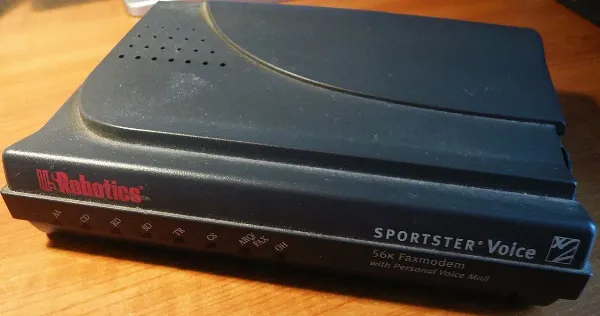
    There was an AOL CD in the mailbox, another one in the cereal box, and a third one somebody's dad had turned into a drink coaster. The AOL CDs were the free discs the company mailed to nearly everyone in the 1990s and early 2000s, each one offering hours of dial-up internet to try. Dial-up reached the internet through the home phone line and a modem, and connecting meant listening to a loud screech while the modem argued with the other end. While you were online, nobody else in the house could use the phone. AOL kept running its dial-up service for decades before finally ending it in 2025.

  • Forward This to 10 People: Chain Emails We All Got

    Chain emails were messages that asked you to forward them to a certain number of people, usually with a promise of good luck, money or a wish come true if you did, and something bad if you didn't. They filled inboxes in the late 1990s and 2000s, wearing a long trail of FW: in the subject line and dozens of email addresses at the top. Most were harmless fun. Plenty were hoaxes, though, spreading warnings about things that weren't real. They were the paper chain letter, made faster by email.

  • ICQ and the Uh-Oh Sound

    What was the ICQ "uh-oh!" that came out of your speakers in the late 1990s? It was the sound of ICQ, one of the first instant messaging programs, made by a small Israeli company called Mirabilis and released on November 15, 1996. Everyone got a number instead of a screen name, and every new message announced itself with that sound, which anyone who was online back then can still hear.

  • Your First Hotmail Address

    Your first Hotmail address probably had a band name, a birth year and at least one underscore, and you'd rather not say it out loud today. Hotmail was one of the first free email services you could use from any web browser, launched on July 4, 1996, by Sabeer Bhatia and Jack Smith. It grew to millions of users in its first year, largely because every email it sent carried a little ad inviting people to sign up. Microsoft bought it at the end of 1997, folded it into MSN and eventually turned it into Outlook.com in 2012 and 2013. Old Hotmail addresses still work, and for a lot of people, that first address is a time capsule with a regrettable name.

  • Hanging Out in IRC Channels With mIRC

    IRC, short for Internet Relay Chat, was a system of chat servers where people joined channels to talk about everything from video games to programming, and it was created in August 1988. Channels had names that started with a pound sign, like #music or #help, and anyone in a channel could see everything typed there. On Windows, most people connected through a program called mIRC, which came out in 1995. IRC was the backbone of a lot of early online communities, and it's still around today.

Music

  • Buying Songs for 99 Cents on iTunes

    The iTunes Music Store opened on April 28, 2003, and it let you buy a single song for 99 cents and download it in seconds. It launched on Macs only with more than 200,000 songs from all five major record labels, then came to Windows that October. For most of the 2000s, it was the main way people paid for music on their computers, and it turned the 99-cent song into a habit. Apple later raised and lowered prices, added movies and apps, and eventually split iTunes into separate apps in 2019.

  • Watching VH1's Behind the Music

    You knew the exact moment a Behind the Music episode was about to turn, because the narrator's voice dropped and the music went quiet. Behind the Music was a VH1 documentary series about musicians, and it first aired on August 17, 1997. Each episode followed one artist or band through the same arc: early struggles, sudden fame, a crash from drugs, money or fighting, and then a comeback. Narrator Jim Forbes had a deep, serious voice that made every turn sound huge. The show ran until 2014 with more than 250 episodes, and the phrase "Behind the Music" became shorthand for any rise and fall.

  • What Happened to Warped Tour?

    Warped Tour was a traveling summer music festival that brought punk, ska, pop punk and later metalcore bands to parking lots and fairgrounds across North America. Kevin Lyman and Ray Woodbury started it in 1995, the skate shoe company Vans became the main sponsor in 1996, and it ran every summer until its last full cross-country tour in 2018. For a lot of teenagers in the 2000s, it was their first big concert and an all-day test of how much sun one person could take. Warped Tour came back for anniversary shows in 2019 and returned in 2025 for its 30th year.

  • Buying Now That's What I Call Music CDs

    In the middle of a commercial break, a loud voice announced a new Now That's What I Call Music CD and twenty hit songs flew past in thirty seconds. Now That's What I Call Music was a series of compilation albums that packed the biggest radio hits of the moment onto one disc, and the first US volume came out on October 27, 1998. The series started in the United Kingdom in 1983, where it's still a huge deal. In the US, every new volume arrived with a TV ad blasting short clips of every song, and for a lot of kids it was the easiest way to own all the hits without buying a dozen singles. It became one of the best-selling album series ever.

  • Building the Perfect Pandora Station

    You typed one band into Pandora, gave the first five songs a thumbs up, and spent the rest of the night defending that station like it was your own child. Pandora was free internet radio that built a whole station from a single song or artist you typed in. It opened to the public in August 2005, and it picked each next song using the Music Genome Project, a huge catalog where people had broken songs down by hundreds of musical traits. You shaped each station with thumbs up and thumbs down, and you only got a handful of skips each hour. For a lot of people, it was the first time a website seemed to understand their taste in music.

  • Scrobbling Every Song to Last.fm

    Last.fm is a music website that keeps a record of every song you play, a habit people call scrobbling, and turns it into charts of your top artists, albums and tracks. It started in the UK in 2002, merged with a project called Audioscrobbler in 2005, and was bought by CBS in 2007 for about $280 million. In the mid-2000s, it was where music fans compared their taste with friends and found people who liked the same bands. Last.fm is still running, and lots of people have been scrobbling for twenty years.

See all 18 in Music
  • Taping Songs Off the Radio Onto a Blank Cassette

    Taping songs off the radio meant sitting next to a stereo or boombox with a blank cassette loaded, waiting for a song you loved, then pressing Record and Play at the same time the second it started. It was free and a little sneaky, and it was how a lot of people built their first mixtapes in the 1980s and 1990s. You had to be fast, and you usually caught the DJ's voice over the intro or a commercial at the end. The tapes sounded rough, but they were yours, and some people still have a shoebox full of them.

  • Racing Home From School for TRL

    You dropped your backpack in the doorway and hit the TV power button, because TRL was about to start and the crowd was already screaming at the window. TRL, short for Total Request Live, was MTV's daily countdown of the ten most requested music videos, broadcast live from a studio overlooking Times Square. It premiered on September 14, 1998, and for the next few years it was where pop stars dropped by, fans screamed outside the window and kids raced home from school to see which video made number one. Carson Daly was the host most people remember. The original run ended with a farewell special on November 16, 2008.

  • How We Found Bands Before Algorithms

    Before algorithms, people found new bands by clicking around: band pages on MySpace, music sites where artists uploaded their own songs, message boards and friends' profile songs. It was slower and more random than a streaming app. Most of it came from a real person telling you "you have to hear this."

  • Picking a Profile Song Was a Big Deal

    You clicked on a crush's page at midnight, the family computer's speakers were still turned all the way up, and their profile song woke up the whole house. A profile song was the song attached to your MySpace page, and on a lot of profiles it started playing the moment someone visited. That made it your first impression, heard before anyone read a single word. Picking one could take longer than picking an outfit, and people changed it more often than their outfits too.

  • Finding New Bands on The O.C.

    Finding new bands on The O.C. was how a lot of us got our favorite music in the mid-2000s. The show was a Fox teen drama set in Newport Beach, California, and it aired from August 5, 2003 to February 22, 2007. It followed rich kids, a new kid from the wrong side of town and a lot of relationship drama, and people talked about its music as much as the plot. Music supervisor Alexandra Patsavas filled episodes with indie bands most viewers had never heard, and the next day those songs were on burned CDs and profile pages. For a lot of people, The O.C. was where they found their favorite band.

  • Rock Band and the Plastic Drum Kit

    Four friends, one plastic drum kit and a neighbor banging on the wall at 1 a.m. is the most Rock Band sentence there is. Rock Band was a music game where up to four people played guitar, bass, drums and vocals together on plastic instruments, and it came out in North America on November 20, 2007. It was made by Harmonix, the studio that had created Guitar Hero, and published by MTV Games with distribution by Electronic Arts. Instead of one person with a plastic guitar, it turned a whole living room into a band. New songs came out to download every week, and it became one of the most popular party games of the late 2000s.

  • Burning Mix CDs and Downloading Music on LimeWire

    Burning mix CDs and downloading songs from LimeWire was how people shared music in the 2000s. Before streaming, sharing music took effort. In the late 1990s and 2000s, people downloaded songs through programs like Napster and LimeWire, burned mixes onto blank CDs with a marker-written track list, and later filled up iPods from the iTunes Store. Every step was slower than today, and you had a specific person in mind for most of it.

  • Guitar Hero and the Song Nobody Could Beat

    That click-clack coming through the wall at midnight was somebody failing a song on Guitar Hero, a music video game where you played rock songs on a small plastic guitar with five colored buttons and a strum bar. The first game came out in 2005 for the PlayStation 2, and the series exploded over the next few years, with sequels and a rival called Rock Band. Friends crowded around the TV for hours. Getting through a hard song on Expert felt like a real achievement. The craze faded around 2010, but the click of a plastic guitar is still one of the most familiar noises of the decade.

  • Flipping Through CDs at Tower Records

    In the fall of 1999, a Friday night could mean an hour of flipping through CD racks at Tower Records without buying a thing. Tower was one of the biggest music store chains in the world, and for decades it was where people went to find new albums and hang out. Russ Solomon opened the first Tower in Sacramento in 1960, and the chain grew to stores across the US and beyond. The chain went bankrupt in 2006, and its last US store closed that December, right as Sam Goody and other mall music stores were shrinking or closing. The name lives on in Japan and came back as an online store in 2020.

  • The Winamp Skin You Picked Said a Lot About You

    In 1997, Justin Frankel and Dmitry Boldyrev at a small company called Nullsoft released Winamp, a tiny music player, and within a few years it was on a huge number of Windows desktops. Winamp was the program people used to play MP3s in the late 1990s and 2000s, and the skin you picked for it said plenty about you. It spread fast because it was tiny, cheap (and later free) and could be made to look like anything. Skins changed its look, visualizers danced to the music and playlists ran for hours.

  • The Emo Songs on Every Profile

    If you ever wrote a lyric on your hand or picked a profile song to match a breakup, you were listening to emo. Emo was emotional punk and rock that went mainstream in the early and mid-2000s, and its songs were the default soundtrack of profile pages and away messages, and it filled burned CDs too. The names you saw most were Dashboard Confessional and Jimmy Eat World, with Taking Back Sunday close behind, then Fall Out Boy and My Chemical Romance on top. Fans quoted lyrics everywhere, dressed in black with side bangs and argued about which band was really emo. The music never went away, and in the 2020s the same fans packed nostalgia festivals and club nights built around those songs.

  • What Happened to Napster?

    In June 1999, Shawn Fanning and Sean Parker launched Napster, a free program that let people share MP3 files straight from each other's computers. For about two years it felt like every song ever recorded was one search away. It grew faster than almost anything online before it, and the record labels sued almost right away. A court ordered it to stop sharing copyrighted music, and the free Napster shut down in July 2001. The name survived and changed hands for years as a paid music service.

Games & Virtual Pets

  • Webkinz: The Stuffed Animal With a Secret Code

    What were Webkinz? Small stuffed animals with a secret code on the tag, and that code was the whole trick. Ganz, the toy company behind them, launched Webkinz in 2005. Type the code into the Webkinz website and your plush pet came to life in a place called Webkinz World, where you could feed it, play games to earn KinzCash, decorate its room and visit friends. For a few years in the late 2000s, Webkinz were everywhere, especially with kids and young teens.

  • Building Coasters in RollerCoaster Tycoon

    In RollerCoaster Tycoon you heard the screaming on a drop long before you could make out a single tiny face. The game was a PC game where you built and ran your own amusement park, and it came out for Windows in March 1999. You laid down rides, paths, food stands and bathrooms, then tried to keep thousands of tiny guests happy enough to keep spending money. Its creator, Chris Sawyer, programmed almost the entire game by himself, mostly in assembly language. It sold millions of copies and spawned sequels, and fans are still building parks today.

  • When Did Club Penguin Shut Down?

    Club Penguin shut down in March 2017. It was an online game where you played as a cartoon penguin, explored a snowy island, chatted with other players and decorated your own igloo. It launched in October 2005, Disney bought it in 2007 for $350 million, and it stayed popular for years, especially with kids and young teens. Players earned coins in mini games, adopted fluffy pets called puffles and showed up for big themed parties around the island. Lots of people who grew up on it still remember their penguin's name and color.

  • Flash Games and the Lunch-Period Arcade

    If you ever kept a school assignment open in one window while a game ran in another, you were playing Flash games. Those were small games that ran right in your web browser, built with Adobe Flash, and in the 2000s they were everywhere. You found them on Newgrounds, Miniclip, Addicting Games and thousands of other sites. They loaded on almost any computer, cost nothing and ate countless lunch periods, study halls and evenings. Adobe ended support for Flash at the end of 2020, which closed out the era.

  • Did You Remember to Feed Your Neopet?

    Somewhere on Neopets there's a pet you named in 2001, still listed as starving, still waiting for you to come back with an omelette. Neopets is a virtual pet website that launched in November 1999. Adam Powell and Donna Williams created it. You adopted creatures, fed and dressed them, played games to earn Neopoints, and explored a whole world called Neopia. For a lot of kids and teenagers in the early 2000s it was one of the first places online that felt like their own, and plenty of adults still remember their pets' names.

  • Raiding in World of Warcraft When It Was New

    Raiding in World of Warcraft meant getting up to 40 people to agree on anything, then asking them to beat a giant boss together. Blizzard Entertainment launched the game on November 23, 2004, and it was an online role-playing game where thousands of players shared one world. You made a character, picked a race and class, and spent your nights questing, leveling up and teaming up with strangers. At its peak in October 2010, WoW had about 12 million subscribers, and it's still running today.

See all 16 in Games & Virtual Pets
  • GoldenEye 007 and Four-Player Split Screen

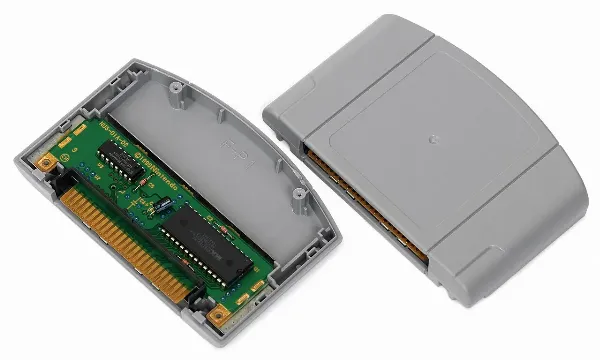
    If you ever argued over who got the top left corner of the screen, you were probably playing GoldenEye 007, a first-person shooter for the Nintendo 64 based on the 1995 James Bond movie GoldenEye. It came out in North America on August 25, 1997. Rare made it and Nintendo published it. It had a solid single-player mode, but most people remember the four-player split screen, where friends sat around one TV and tried to take each other out. It sold more than 8 million copies, and for a lot of people it was the first shooter they played with friends in the same room.

  • Dance Dance Revolution at the Mall Arcade

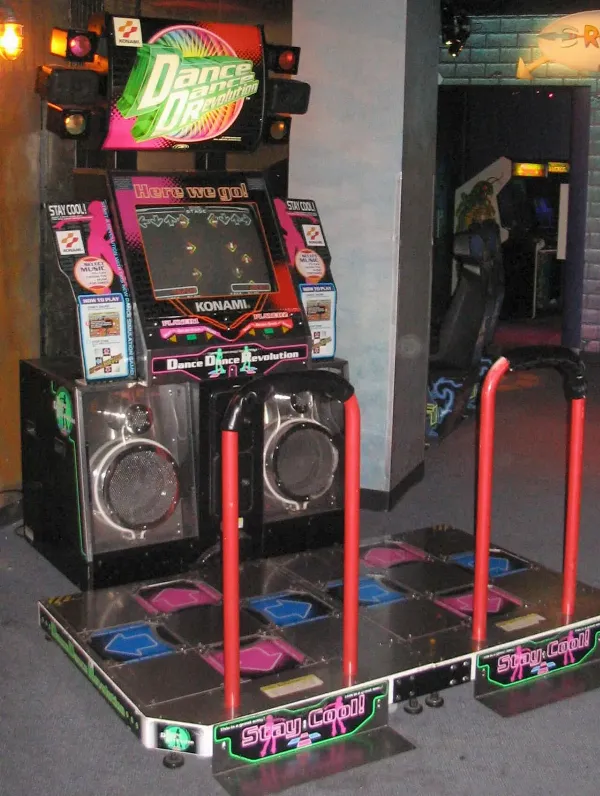
    Dance Dance Revolution, or DDR, was a Konami game where you stepped on arrows on a dance platform in time with arrows scrolling up the screen, and it first came out in Japanese arcades on November 18, 1998. It reached North America soon after and became a fixture at mall arcades, movie theaters and bowling alleys. Players drew crowds, especially the ones who could keep up on the hardest songs. Home versions with plastic dance pads brought it to living rooms, and some schools even used it in gym class.

  • Rosebud and Pool Ladders in The Sims

    Everyone who played The Sims has typed rosebud more times than they've typed their own password. The Sims was a computer game where you created little people, built them a house and managed their daily lives, from cooking dinner to finding a job. Designed by Will Wright and made by Maxis, it came out on February 4, 2000, and became the best-selling PC game in the US that year and the next. Players remember it for the "rosebud" money cheat, the made-up Simlish language and, famously, removing the pool ladder while a Sim was swimming. The series kept going with The Sims 2, 3 and 4, and it's still one of the best-selling game series ever.

  • Trading Pokémon With a Link Cable

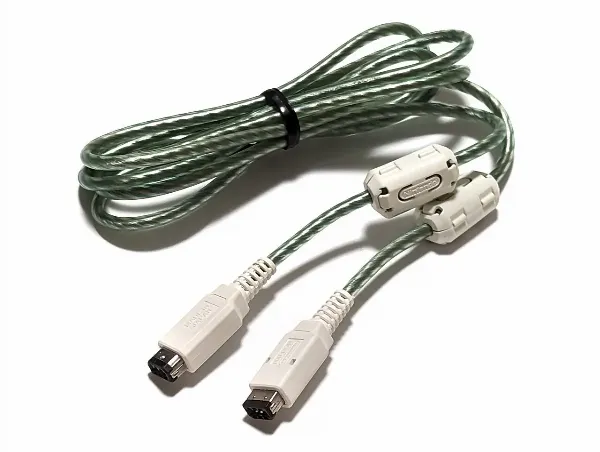
    Could you finish Pokémon Red and Blue on your own? Not really, and the Game Link Cable is why. The Game Boy games, where you caught creatures and battled them, reached North America on September 28, 1998. Some Pokémon only showed up in one version and some only evolved when traded, so filling your Pokédex meant plugging into a friend's Game Boy.

  • LAN Parties: Hauling a CRT Monitor to a Friend's House

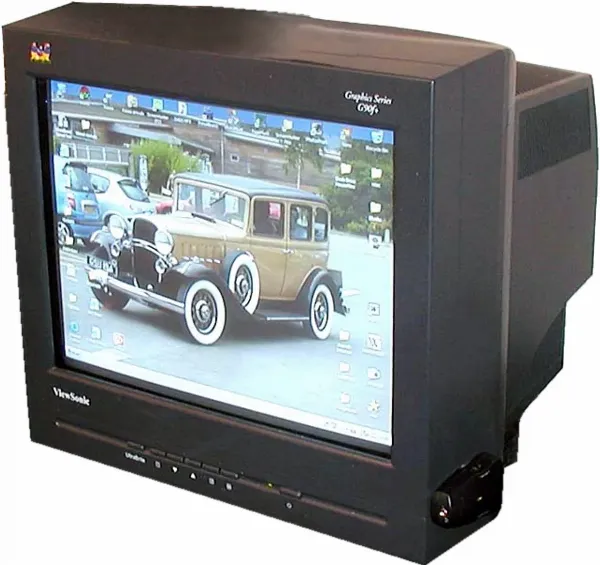
    In the late 1990s, a Friday night could start with two people trying to carry a CRT monitor down a flight of basement stairs. That was a LAN party: friends hauled their computers or game consoles to one house, linked them on a local network (the LAN) and played against each other in the same room. In the late 1990s and 2000s, it often meant a heavy desktop tower, a bulky monitor, cables across the floor and Counter-Strike, StarCraft or Halo until morning. Some LAN parties were four friends and a pizza, and some were huge events with hundreds of players. Faster home internet and online play made them less common, but plenty of people still call those nights the best of their gaming lives.

  • Wii Sports Bowling and the Living Room Tournament

    The first time your grandma bowled a strike in Wii Sports and did a little victory dance in the living room, the whole family knew the Wii was staying. Wii Sports was a collection of simple sports games that came with the Nintendo Wii, which launched in late 2006. Instead of pressing buttons, you swung the Wii Remote like a tennis racket, a golf club or a bowling ball, and your movements showed up on screen. It got people who had never played video games, including parents and grandparents, to join in, and living rooms turned into bowling alleys and tennis courts.

  • Chopping Logs in RuneScape

    Some people spent whole weeks of their lives chopping trees in a browser game and called it a lifestyle. That game was RuneScape, a free online fantasy game that ran right in a web browser, made by brothers Andrew and Paul Gower and released by their company Jagex on January 4, 2001. You made a character, trained skills like woodcutting, fishing and mining, and spent hours with thousands of other players in a huge medieval world. It was free to play, with extra areas for paying members, and it became one of the most popular online games among kids and teens in the 2000s. RuneScape is still running, and Old School RuneScape, a version based on the 2007 game, came out in 2013 and is still hugely popular.

  • Staying Up Late on Halo 2 and Xbox Live

    Halo 2 turned Xbox Live into the place millions of people hung out every night. The first-person shooter came out for the original Xbox on November 9, 2004, and Xbox Live was Microsoft's online gaming service. The game sold about 2.4 million copies in its first 24 hours and went on to be the best-selling game on the original Xbox. Players teamed up with friends, talked through headsets and stayed up far too late chasing one more win. Xbox Live for the original Xbox shut down on April 15, 2010, but a small group of Halo 2 players kept playing for weeks afterward.

  • Minesweeper and Solitaire on the Office Computer

    Somewhere, right now, there's a boss who walked past a cubicle in 1998 and saw Solitaire minimized a half second too late. Solitaire and Minesweeper were the free games that came with Microsoft Windows, and for decades they were on almost every PC in homes, schools and offices. Solitaire arrived with Windows 3.0 in 1990, and Minesweeper joined the lineup in Windows 3.1 in 1992. Partly, it was there to teach people how to use a mouse by dragging cards around. Both games ended up being played billions of times, often by people who were supposed to be working and had a spreadsheet open in the other window for show.

  • Drawing Messages in PictoChat on the Nintendo DS

    PictoChat let anyone with a Nintendo DS draw messages to everyone else within wireless range, no internet needed. It came built into every DS, so the first time you opened it on a bus or in a classroom, you were already chatting. The DS itself was a handheld game system with two screens, one of them a touchscreen you used with a little stylus. It launched in North America in late 2004, and games like Nintendogs, Brain Age, New Super Mario Bros. and Mario Kart DS made it hugely popular. For a lot of people, it was the first device that let them chat with friends in the same room in a brand new way.

Around the Web

  • Flying Over Your House in Google Earth

    On June 28, 2005, Google released Google Earth, a free program that let you spin a 3D globe on your computer and zoom from outer space down to a single street. It was built from satellite and aerial photos stitched together, so you could see real roofs, cars and swimming pools. The first thing almost everyone did was type in their own address and watch the camera dive toward their house. It felt like science fiction on the family computer. For a lot of people it was the first time the whole world seemed one click away, and the whole trip happened on a desktop whose fan suddenly sounded like a hair dryer, a few years after the dial-up screech stopped being the main sound of the internet.

  • BonziBuddy and the Toolbars That Took Over

    One day a purple gorilla named BonziBuddy walked onto the family computer's screen, waved hello and refused to leave for years. BonziBuddy was a free desktop assistant shaped like a purple gorilla, and he moved onto millions of family computers starting in 1999. He walked around your screen, told jokes, sang songs, read your email out loud (you probably had a Hotmail address by then) and offered to help you search the web. He also came packed with ads and tracked what people did online, and security companies called it spyware and adware. In 2004, the US Federal Trade Commission fined its maker for collecting information from children, and BonziBuddy was shut down soon after.

  • What Happened to StumbleUpon?

    If you ever pressed a Stumble! button and landed on a page you would never have searched for, you were using StumbleUpon. It was a website and browser toolbar that showed you a random page from across the internet every time you pressed its Stumble! button, picked to match the interests you chose. It started in the early 2000s as a college project by Garrett Camp and his friends, was bought by eBay in 2007 and bought back in 2009. At its peak, tens of millions of people used it to find funny pages and strange blogs they'd never have searched for. StumbleUpon shut down in June 2018, and its users were moved to a new site called Mix.

  • Remember Ask Jeeves?

    Remember typing a whole question into Ask Jeeves, something like "Where can I find a picture of a dolphin?", while a cartoon butler in a suit stood there like he had it handled? It was the search engine that let you ask like you'd ask a person. The butler was named after Jeeves, the calm, all-knowing valet in P.G. Wodehouse's comic novels. It opened to the public in 1997, a year before Google started, back when people searched with a crowd of rivals: Yahoo, AltaVista, Lycos and Excite, plus Dogpile and a few more.

  • Furnishing Your First Apartment From Craigslist

    Your first apartment's couch probably came from Craigslist, a stranger's driveway and two friends who owed you a favor. Craigslist is a classified ads website where people post listings for apartments, jobs, things for sale, free stuff and services. Craig Newmark started it in 1995 as an email list of events in San Francisco, and it became a website a year or so later. Through the 2000s it spread to cities everywhere and became the place to find a roommate, sell an old desk or grab a free couch off someone's curb. Its plain design with blue links barely changed, which became part of its charm.

  • The Hampster Dance and the First Viral Pages

    The Hampster Dance started as a visitor-count contest between two sisters and a friend, and it got about 60,000 visits in four days in March 1999. The page was a single web page full of dancing animated hamsters set to a sped-up looping song, and it became one of the first viral websites. A Canadian art student named Deidre LaCarte made it on GeoCities in 1997, and it sat almost unnoticed for over a year before people started passing the link around. It landed in a wave of early internet jokes everyone knew, next to the Dancing Baby, All Your Base Are Belong to Us and Badger Badger Badger.

See all 16 in Around the Web
  • Printing MapQuest Directions Before Every Road Trip

    MapQuest launched its website in 1996 and stayed the top directions site until Google Maps finally passed it around 2009. It was a website that gave you driving directions, and for years before GPS was on every phone, printing them out was how people got ready for a trip. You typed in where you were starting and where you were going, then printed a list of turns with distances and a small map. Someone in the passenger seat read the directions out loud, and if you missed a turn, you were on your own.

  • Wikipedia's Early Days and the Teacher Who Said Don't Use It

    Your teacher said not to use Wikipedia, and you opened it in the next tab anyway. Wikipedia is a free online encyclopedia that anyone can edit, and it launched on January 15, 2001. Jimmy Wales and Larry Sanger started it, and in the early 2000s it grew fast, from a small project to one of the most visited sites on the internet. Many teachers warned students not to use it for school because anyone could change it, and plenty of students used it anyway, just more carefully. Clicking from one page to another until it was suddenly 2am became a habit for everyone who grew up with it.

  • Blockbuster Fridays and Netflix DVDs in Red Envelopes

    Friday night at Blockbuster meant twenty minutes of arguing in the New Releases aisle, then settling for whatever case still had a tape behind it. Blockbuster was the video rental chain where families and friends picked out the weekend's movies, first on VHS tapes and later on DVDs. A Friday night trip meant walking the aisles, checking the new release wall and grabbing snacks at the counter, usually after a long argument. Netflix started in 1997 and soon began mailing DVDs to people's homes in red envelopes, and its subscription plan did away with late fees. Over the next decade, mail-order rentals and then streaming pulled people away from the stores, and Blockbuster went bankrupt in 2010.

  • What Happened to Hot or Not?

    In 2000, Hot or Not put your face on a website and let total strangers score it from 1 to 10, and people lined up to try it. Hot or Not was a website where people uploaded a photo and strangers rated it on a scale from 1 to 10, and it launched in October 2000. Your score was the average of everyone's votes, and you could see it change as more people rated you. It got huge fast, with nearly 2 million page views a day within its first week. The site was sold in 2008, bought again by the dating company Badoo in 2012 and turned into an app, and its simple idea showed up in a lot of what came after.

  • Homestar Runner and the Strong Bad Emails Everyone Quoted

    Homestar Runner is a website full of short animated cartoons, made by brothers Mike and Matt Chapman, that became a huge in-joke for a lot of teenagers and college students in the 2000s. The site launched in 2000 and was set in a strange little place called Free Country, USA, with characters like the dim but cheerful Homestar Runner, the masked wrestler Strong Bad and a small yellow creature called The Cheat. Its most popular series was Strong Bad Email, where Strong Bad answered fan mail on his old computer, and one of those emails gave the world Trogdor the Burninator. People quoted it in hallways, on away messages and in yearbooks for years.

  • Bidding Wars and Sniping: eBay in the 2000s

    You lost the auction by one dollar, and you watched it happen. eBay was the online auction site where, in the late 1990s and 2000s, people bought and sold almost anything, from collectibles and clothes to cars and old video games. Pierre Omidyar started it in 1995 under the name AuctionWeb, and it became eBay a couple of years later. The first thing sold was a broken laser pointer that Omidyar listed himself, and it went for $14.83. Sellers listed items, buyers bid against each other until a timer ran out, and the highest bid won. The last minutes of an auction were pure nail-biting, and half the fun was hoping nobody outbid you.

  • Encarta and Oregon Trail on the Family Computer

    Microsoft Encarta put a whole encyclopedia, with pictures, sound clips and videos, on one CD-ROM in 1993, and a lot of students wrote their school reports from it. Before most families had fast internet, the home computer ran on shiny discs like that one. The shelf next to it held The Oregon Trail, Where in the World Is Carmen Sandiego? and Mavis Beacon Teaches Typing. Encarta was discontinued in 2009, once online sources took over.

  • What Happened to Digg?

    Digg was a website where people submitted links to news and interesting pages, and other users voted them up with a "digg" or down with a "bury." It launched in December 2004, and the links with the most diggs reached the front page, where millions of people saw them. For a few years in the late 2000s, Digg was one of the most visited sites on the internet. A redesign in 2010 drove many of its users away to Reddit, the site was sold off cheaply in 2012, and it has been relaunched several times since.

  • Early YouTube Had Five-Star Ratings and a 10-Minute Limit

    What was YouTube like when it first started? It had five-star ratings, a time limit of about 10 minutes and a picture quality that looked like it was filmed through a screen door. The site launched in 2005 as a simple place to upload and share videos, and in its first few years it felt very different from the one people use now. Most clips came from regular people with cheap cameras, you rated them with one to five stars, and a lot of what went viral was weird and obviously homemade. Google bought YouTube in late 2006, and the site slowly grew into the giant it is today.

  • The Websites We Rushed Home From School to Check

    Before smartphones, the internet lived on one computer in the living room or the den, and you had to get home to use it. The sites people rushed home for included Xanga, LiveJournal, GeoCities, Neopets, Homestar Runner, Newgrounds and, later, MySpace. Waiting all day made them feel even better.

Phones & Gadgets

  • Pausing Live TV With a TiVo

    Could you really pause live TV with a TiVo? You could, and that was the whole sales pitch. TiVo was a box that recorded television onto a hard drive, and the first one went on sale on March 31, 1999. It let you pause a show you were watching, rewind it and record every episode of a series without touching a tape.

  • Waiting a Week for Disposable Camera Photos

    You wound a disposable camera with your thumb until it clicked, took 27 pictures of one weekend, and then waited a full week to find out none of them came out. A disposable camera was a cheap plastic camera loaded with film that you used once, then handed over to a store to develop. Fujifilm made the modern version in Japan in 1986 and brought it to the US in 1987, and Kodak followed the same year. You couldn't see your photos until they were developed, so every shot was a surprise, and waiting days for prints was part of the deal. Disposables faded when digital cameras and phones took over, but younger people started buying them again in the 2020s.

  • Skipping Tracks on a Portable CD Player

    A portable CD player let you carry a whole album with you and play it through headphones, as long as you didn't bump it too hard. Sony started it with the D-50 Discman in November 1984, which cost about half as much as Sony's first home CD player. Discmans and other portable CD players stayed popular through the 1990s and early 2000s. People remember the skipping, the battery appetite and the backpack pocket where one lived next to a wallet full of CDs. Sony renamed its line the CD Walkman around 2000, and the players faded out as MP3 players and phones took over.

  • The Microsoft Zune Came in Brown

    Microsoft made the Zune in brown, on purpose, and it is still the most talked-about color a music player has ever come in. The Zune was Microsoft's portable music player, and the first one went on sale in the United States on November 14, 2006. It had 30 gigabytes of storage, a 3-inch screen and a feature the iPod didn't have, which was sharing songs with other Zunes nearby over Wi-Fi. It came in black or white, plus a brown color that people still make jokes about. The Zune never came close to catching the iPod, and Microsoft stopped making the players in 2011, but it has a loyal group of fans who still say it was better.

  • How Did T9 Texting Work on Old Flip Phones?

    T9 texting let you type a word by pressing each number key once and letting the phone guess which word you meant. That made it the fast way to text on a mid-2000s flip phone, right up until the phone guessed wrong. The same phones were also where many of us paid real money for ringtones, and they did so few other things that people got very attached to them.

  • The Nextel Chirp and Walkie-Talkie Phones

    In December 2004, Sprint agreed to pay about $35 billion for Nextel, a company best known for a phone that chirped. Nextel was the cell phone company with the walkie-talkie button. Direct Connect let you push a button on the side of your phone and talk instantly to someone else with a Nextel, and before anyone spoke, the phone let out a loud chirp. You heard that chirp everywhere in the early 2000s, from construction sites to school hallways. The phones ran on a network called iDEN that Motorola developed.
See all 12 in Phones & Gadgets
  • Playing Snake on a Nokia 3310

    A Nokia, a boring class and a little too much free time all met under the same desk, and the result was nearly always a game of Snake. Snake was a simple game that came built into Nokia phones, where you steered a growing line around the screen to eat dots without crashing into the wall or yourself. A Nokia engineer named Taneli Armanto made the first version for the Nokia 6110, which came out at the end of 1997. Its sequel, Snake II, shipped on the Nokia 3310 in 2000, and that phone sold about 126 million units. For a whole lot of people, a Nokia with Snake on it was their first phone and their first handheld game rolled into one.

  • Swivel Screens and BBM: The Sidekick and BlackBerry Days

    If you ever swung a phone screen up with your thumb, or traded PIN codes to add a friend on BBM, you were carrying one of the two phones everyone wanted when a full keyboard still beat a touchscreen: the T-Mobile Sidekick or the BlackBerry. The Sidekick came out in 2002 and had a screen that swung up to reveal a keyboard, with AIM and email built right in. BlackBerrys were known for their thumb keyboards and for BlackBerry Messenger, or BBM, where you chatted with friends after trading PIN codes. At a time when most people were still tapping out texts on a number pad, either one felt like a tiny computer in your pocket.
  • Tamagotchi and the Keychain Pets That Needed You at School

    Your Tamagotchi beeped in the middle of a spelling test, and you had to decide between feeding it and getting it taken away until Friday. A Tamagotchi was a tiny egg-shaped digital pet on a keychain that beeped when it was hungry, whether or not you were in the middle of a test. Bandai, the Japanese toy company, made them. The idea came from Aki Maita at Bandai and Akihiro Yokoi at a toy design company called WiZ, and in 1997 the two of them won a joke Ig Nobel Prize in economics for it. They first came out in Japan in 1996 and reached the US in 1997, setting off a huge craze.

  • The Digital Camera Photos We Refused to Delete

    In the summer of 2006, somebody at the party held up a point-and-shoot camera, the flash went off, and you got a blurry, overexposed photo with red eyes and the date stamped in orange numbers in the corner. Digital camera photos from the 2000s looked like that, and almost nobody deleted them. Before every phone had a good camera, people carried small point-and-shoot cameras to parties and sleepovers (and the occasional concert). Plenty of us still have a folder of those pictures on some hard drive we're scared to throw out.

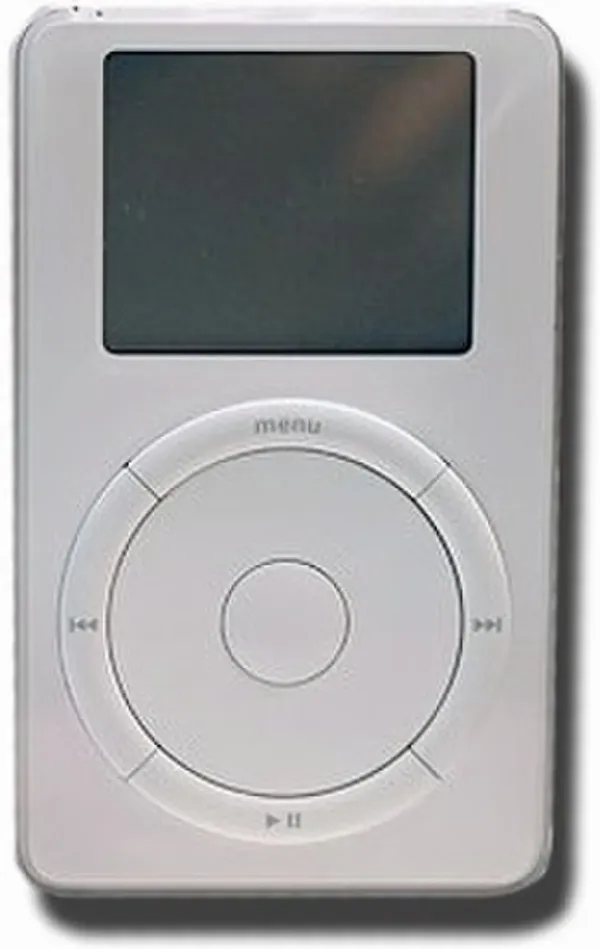
  • A Thousand Songs in Your Pocket: The First iPod

    The first time you spun an iPod's wheel and heard that tiny click, a CD binder with 200 discs suddenly looked like something your parents would own. The iPod was Apple's portable music player, first announced in October 2001 with the promise of 1,000 songs in your pocket. It worked with iTunes on your computer, had a simple wheel for scrolling and came with white earbuds that quickly became a sign that you had one. For much of the 2000s, it was how lots of people carried their music. Apple stopped selling the last iPod model in 2022.

  • Writing in Graffiti on a Palm Pilot

    If you can still draw the letter A on a Palm Pilot as an upside-down V without a stylus in your hand, you remember Graffiti. The Palm Pilot was a handheld organizer, often called a PDA, that held your calendar, contacts and to-do list and synced them with your computer. The first models, the Pilot 1000 and Pilot 5000, came out in 1996, and you wrote on the screen with a stylus using a simplified alphabet called Graffiti. Palm devices were everywhere in offices and schools around 2000, and the company later moved into smartphones with the Treo. HP bought Palm in 2010, and the brand faded out not long after.

FriendCrib visitors: 0048228