FriendCrib Mag
BonziBuddy and the Toolbars That Took Over
BonziBuddy was a purple gorilla that talked to you from the desktop, starting in 1999. It also tracked people online, and the FTC fined its maker in 2004.
 Written by Daniel Rivera · 56k: ~1 min
BonziBuddy was a free desktop assistant shaped like a purple gorilla, and he moved onto millions of family computers starting in 1999. He walked around your screen, told jokes, sang songs, read your email out loud (you probably had a Hotmail address by then) and offered to help you search the web. He also came packed with ads and tracked what people did online, and security companies called it spyware and adware. In 2004, the US Federal Trade Commission fined its maker for collecting information from children, and BonziBuddy was shut down soon after.
Who made BonziBuddy?
BonziBuddy was made by Joe and Jay Bonzi of Bonzi Software. It was built on Microsoft Agent, the same technology behind the animated helpers in Microsoft Office, like the paperclip that asked if you were writing a letter.
The first version didn't even have a gorilla. Its default character was a green parrot named Peedy. Bonzi, the purple gorilla, showed up in an update in May 2000, and he quickly became the face of the whole program.
His voice came from a text-to-speech voice called Sydney, a slightly robotic male voice. Plenty of people still hear it in their heads when they think about the early 2000s internet, usually right before a joke nobody asked for.
What did BonziBuddy do?
BonziBuddy did a little bit of everything. He could talk to you, tell jokes and facts, sing songs and remind you of dates. He offered to help you search the web, download files and manage your email. Searching was a job Ask Jeeves had been doing in a butler suit. Left alone, he would walk around the screen when you weren't doing anything, which was cute or creepy depending on who you asked, and the creepy vote grew the longer he wandered.
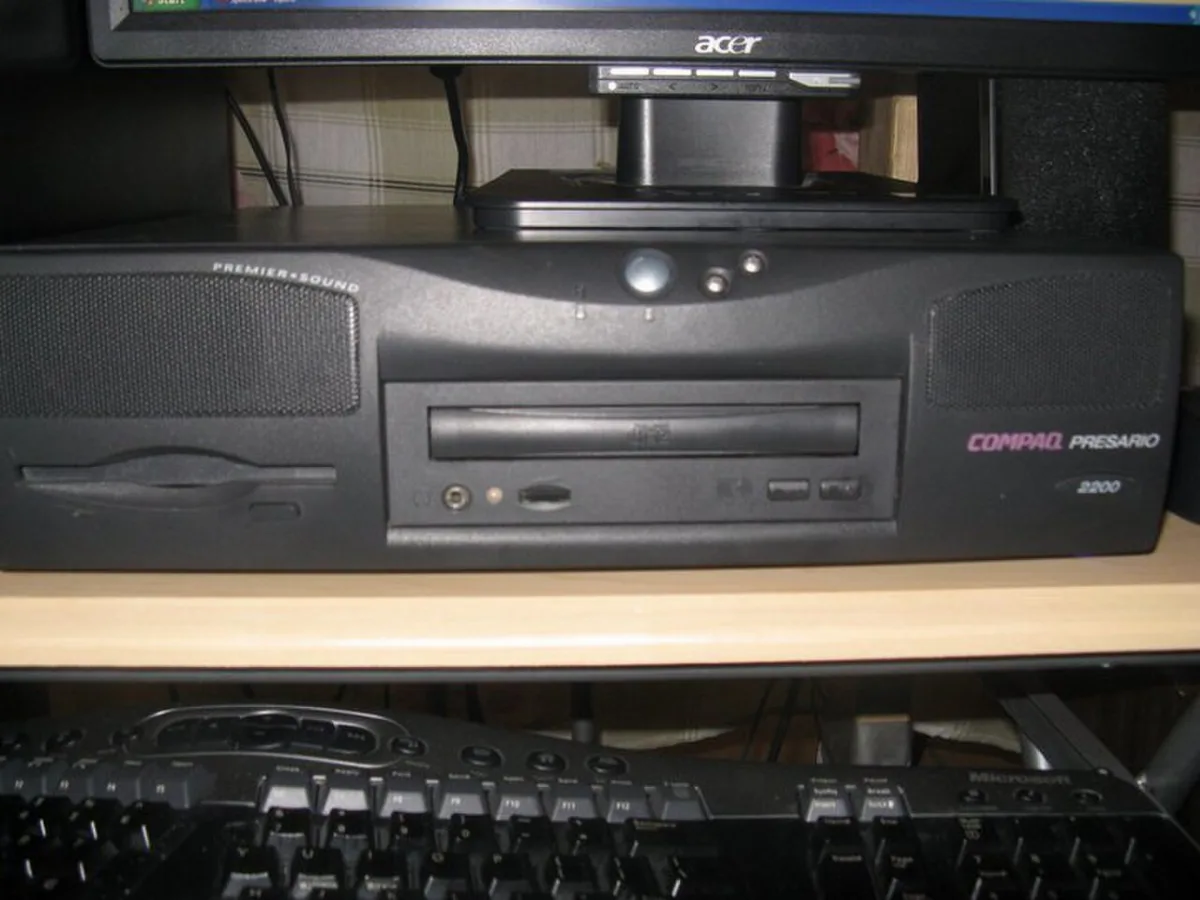
The program was free, which was a big part of the appeal. Kids especially loved it, and plenty of them installed it without asking anyone. A purple gorilla who sang to you beat a plain search box, and he felt like a friend living in the family computer.
Why was BonziBuddy called spyware?
BonziBuddy was called spyware because it collected information about what people did on their computers and showed them ads. Consumer Reports called it spyware in 2002, and security companies like Symantec and Trend Micro listed it as adware. It also changed browser settings, like your homepage, and was hard to remove completely.
In February 2004, the FTC said Bonzi Software had collected personal information from children under 13 without their parents' permission, which broke a law called COPPA. The company agreed to pay a $75,000 penalty. BonziBuddy was discontinued that year, though it stayed on the company's website until 2005.
How BonziBuddy went from friendly purple gorilla to one of the most infamous programs of its time. Watch on YouTube
The paperclip's cousin
If BonziBuddy's style looked familiar, there was a reason. Microsoft Agent also powered the Office Assistant, the animated helper in Microsoft Office. The most famous one was a paperclip that popped up to offer help, often when you didn't want it. People found the paperclip just as pushy as Bonzi, though at least it wasn't selling anything.
These helpers were part of a bigger idea at the time. Companies thought computers would feel friendlier if a little character walked you through things. Some people loved them. Most of us hunted for the button that made them go away.
The toolbar years
BonziBuddy wasn't alone. The early 2000s were full of free downloads that came with extra stuff attached. Install a free screensaver or game, and you might end up with a new search toolbar across the top of your browser, a new homepage and pop-up ads you'd never seen before.
One of the biggest was Gator, made by a company founded in 1998 in Redwood City, California. Gator started as a tool that filled in passwords and forms for you, and it came bundled with other free programs. It also showed its own ads, sometimes covering up ads that websites had paid for. In 2002, a group of publishers including The New York Times sued it. By mid-2003, Gator software was on about 35 million computers.
Gator renamed itself Claria in October 2003. It stopped showing pop-up ads in 2006 and shut down in 2008.
Family computers full of junk
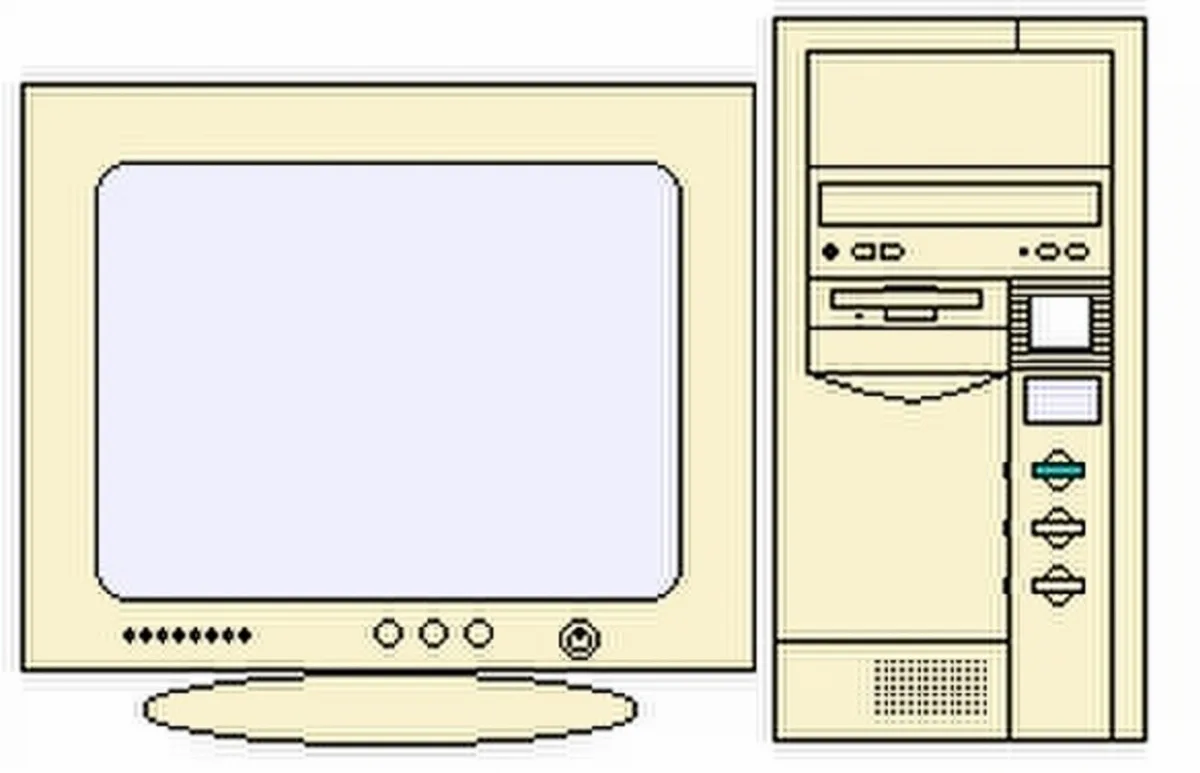
Plenty of family computers ended up with a stack of toolbars, each one promising faster searches or free smileys. Together they ate half the browser window and slowed everything down. If you remember the AOL CDs and dial-up era, you remember how precious that speed was.
Some kids got really good at cleaning these computers up. They became the family tech support, the person who got called whenever the screen filled with pop-ups. Others learned the hard way, after one download turned the family PC into a pop-up factory.
Is BonziBuddy still around?
BonziBuddy is no longer around as a real product. It was discontinued in 2004, and Microsoft Agent, the technology behind it, was later retired too. Bonzi lives on as a meme, with people making videos, jokes and remixes about the purple gorilla and his voice.
Browser toolbars faded too. Modern browsers made it harder for programs to take over your settings, and people got more careful about what they downloaded. The closest thing today is an app that asks for too many permissions, and most people have learned to tap no.
Things people remember
- Bonzi singing "Daisy Bell" to you for no reason
- The Sydney voice reading your email out loud
- A toolbar you never remembered installing
- Pop-up ads that showed up even when the browser was closed
- Trying to uninstall something and finding it back the next day
- A parent asking why the computer was so slow
What would a gorilla-free crib look like?
FriendCrib doesn't come bundled with anything. There's no download and no toolbar, and certainly no gorilla. You sign up in your browser and decorate your crib, and nothing asks to be your homepage. Make a crib. If you miss the silly side of the old web, there's always the Hampster Dance.
You Might Also Remember
 Buying Songs for 99 Cents on iTunes
 Homestar Runner and the Strong Bad Emails Everyone Quoted
 Pausing Live TV With a TiVo
 Picking a Profile Song Was a Big Deal
 Bidding Wars and Sniping: eBay in the 2000s
 Printing MapQuest Directions Before Every Road Trip
 Furnishing Your First Apartment From Craigslist
 Encarta and Oregon Trail on the Family Computer
No gorillas, no toolbars. Just your crib.
Free, 18+ and no algorithm. Pick a profile song, rank your Top 8 and leave your friends comments.
Get Your Crib, It's Free