
















FriendCrib Mag
Those AOL CDs and the Dial-Up Screech
Why did AOL mail out so many CDs? Each disc offered free hours of dial-up, and getting online meant a screeching modem and a tied-up phone line.
 Written by Daniel Rivera · 56k: ~3 min
There was an AOL CD in the mailbox, another one in the cereal box, and a third one somebody's dad had turned into a drink coaster.
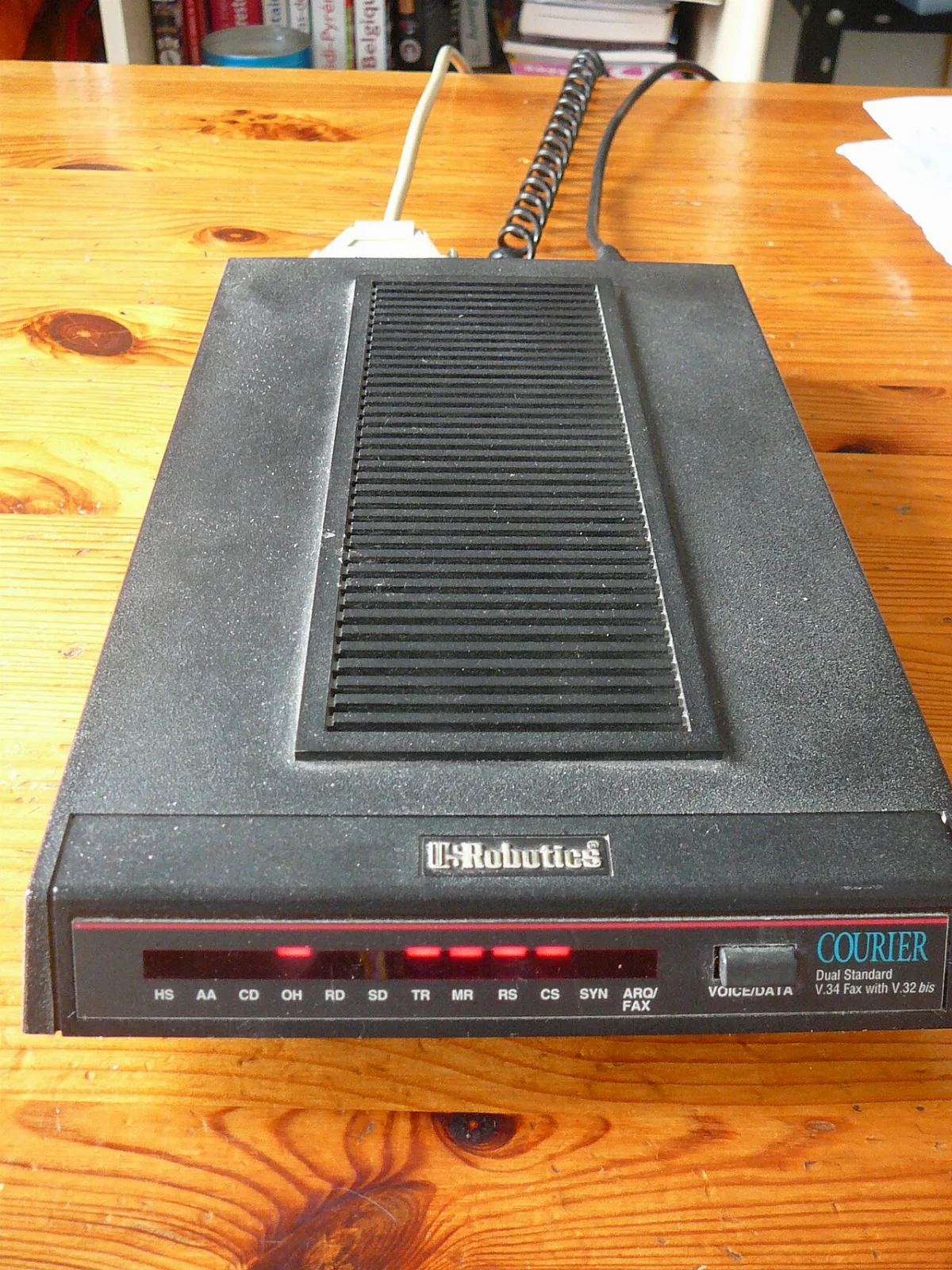
The AOL CDs were the free discs the company mailed to nearly everyone in the 1990s and early 2000s, each one offering hours of dial-up internet to try. Dial-up reached the internet through the home phone line and a modem, and connecting meant listening to a loud screech while the modem argued with the other end. While you were online, nobody else in the house could use the phone. AOL kept running its dial-up service for decades before finally ending it in 2025.
Why did AOL mail out so many CDs?
AOL wanted you to try it, and a disc in your mailbox was the cheapest way to ask. The discs showed up everywhere. They came in the mail, inside magazines, in cereal boxes, at checkout counters and in packages with other software. Each one promised a number of free hours, and the number kept going up over the years, from dozens of hours to hundreds and more. Jan Brandt, the marketing chief behind the mailings, later wrote that at one point half of all the CDs made in the world had an AOL logo on them.

Before CDs, there were floppy disks. Both got reused in all kinds of creative ways: as coasters, decorations, art projects and things to hang in gardens to scare birds. Some people collected every design they got, which is the only reason any survive.

What did the dial-up screech sound like?
Connecting to dial-up made a sound everyone from that era knows. The modem dialed a number, beeped, then made a long series of screeches, hisses and static as it talked to the computer on the other end. If the noise went on long enough, you were in. If it cut off, you tried again.
Many people could tell from the sound alone whether the connection was going to work. Once you were on, the next sound was often a friend's message, like the famous uh-oh from ICQ. Fans have since remade the noise as ringtones, songs and memes, which seems like a lot of love for something that mostly meant "please wait."
You've got mail
After AOL connected, a friendly voice said "Welcome!" and, if you had new messages, "You've got mail." Hearing that phrase was exciting, even when the mail turned out to be a chain email from a cousin. The phrase became so famous that it was used as the title of a 1998 movie.
The phone line fight
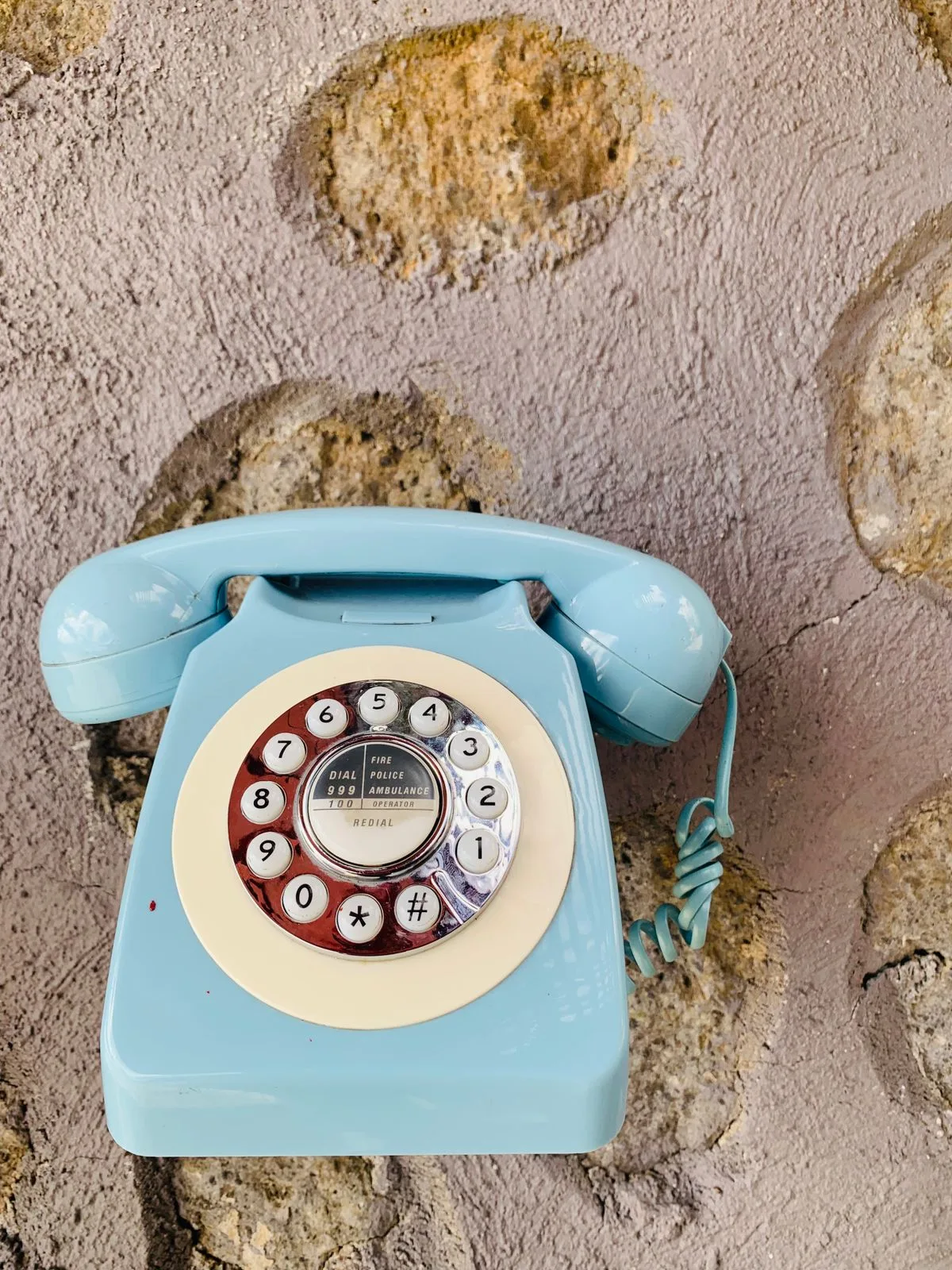
Dial-up used the same line as the house phone. If you were online, nobody could call in or out, and if someone picked up a phone in another room, your connection dropped instantly. Families had rules about how long you could stay on, and fights broke out when someone needed to make a call.
Some households got a second phone line just for the computer, which felt very fancy. Friends with their own line were the envy of everyone stuck sharing. Everyone else learned to type fast.
How slow was dial-up, really?
Dial-up was slow: a good connection reached up to 56 kilobits per second, and most people got less. A single song could take a long time to download, and a big picture appeared line by line from the top down. Websites were built small and plain with that in mind, and any page heavy with images was a commitment.
That's why every FriendCrib throwback shows a joke 56k download time near the top, a little reminder of how long all this used to take.
Hours and bills
Early AOL plans charged by the hour, and some people came home to surprisingly high bills after a few long nights in chat rooms. AOL later switched to unlimited plans for a monthly price, and so many people signed on that the busy signals got worse for a while.
AOL Keywords and chat rooms
AOL became its own world with its own content, and you moved around with Keywords. Type a word in the box and you'd jump to a section for news, games, music or a TV show. Chat rooms were organized by topic and filled up at night. Your buddy list lived right in AOL, and later in AOL Instant Messenger, the free version anyone could use, which is where your screen name became your whole identity.
Getting kicked off
Dial-up connections dropped all the time. A call coming in could knock you offline if your line had call waiting, unless you remembered to turn it off before dialing. A storm could do it. So could a family member deciding the computer had been on long enough and pulling the plug.
Being kicked off in the middle of a download meant starting over. Being kicked off in the middle of a chat meant your friends saw you vanish, and you'd sign back on to a pile of messages asking what happened.
The family computer schedule
Since the whole house shared one line and often one computer, time online was split up. Homework came first, in theory. Then siblings took turns, and someone always stayed on too long. Parents could check the history, but more often they just checked whether the phone was free.
Late nights were prime time. The house was quiet, nobody needed the phone, and the connection sometimes felt a little faster. A lot of long conversations with friends happened between 10pm and whenever someone came downstairs to say it was time for bed.
Other services
AOL was the biggest, but it wasn't the only option. CompuServe and Prodigy were around early, and later many local internet providers offered plain dial-up without AOL's extras. Some families switched providers to chase cheaper plans, which meant a new email address and telling everyone all over again.
When did AOL end dial-up?
AOL ended its dial-up service in 2025, long after most people had moved on. As cable and DSL internet spread in the 2000s, most people switched to always-on connections that didn't tie up the phone. No more screech, no more getting kicked off when someone called. Dial-up hung on in rural areas for many years.
AOL's free discs, its dial-up years and how it all ended. Watch on YouTube
Sign-on memories
- The little pictures lighting up one by one on the AOL sign-on screen
- Waiting for a single picture to load from the top down, one strip at a time
- Unplugging the phone cord from the wall to plug it into the computer
- Hearing a family member yell "get off the internet!" from another room
Logging on today
FriendCrib looks like it came from the dial-up years, but it loads fast on any connection and works on your phone. Say hi in the throwbacks forum or Join FriendCrib and enjoy a 2006-style page without the screech.
Your Memories
Nobody has shared one yet. Be the first.
Make a free crib or sign in to add yours.
You Might Also Remember
 AIM or MSN Messenger? Everyone Picked a Side
 Skipping Tracks on a Portable CD Player
 Paging Your Friends With Number Codes
 Hanging Out in IRC Channels With mIRC
 Taking Quizilla Quizzes and Posting the Results
 Begging for a Gmail Invite in 2004
 A Thousand Songs in Your Pocket: The First iPod
 When Did Club Penguin Shut Down?
Logging on is a lot faster now. Make your crib on FriendCrib.
Free, 18+ and no algorithm. Pick a profile song, rank your Top 8 and leave your friends comments.
Get Your Crib, It's Free