FriendCrib Mag
Building the Perfect Pandora Station
Pandora built radio stations from a single song or artist, using its Music Genome Project to pick what played next. Thumbs up and thumbs down did the rest.
 Written by Natalie Brooks · 56k: ~1 min
Pandora was free internet radio that built a whole station from a single song or artist you typed in. It opened to the public in August 2005, and it picked each next song using the Music Genome Project, a huge catalog where people had broken songs down by hundreds of musical traits. You shaped each station with thumbs up and thumbs down, and you only got a handful of skips each hour. For a lot of people, it was the first time a website seemed to understand their taste in music.
How a station got started
You typed in a band or a song you loved, and Pandora started a station around it. The first track was usually by that artist, and after that it played songs that shared some of the same traits. That might mean the same kind of vocals, a similar beat or a guitar sound that matched.
You could add more "seeds" to a station, which made it wider. Start a station with one quiet acoustic singer and add a loud rock band, and you got a strange mix that somehow worked. People had stations named after moods, seasons and exes. A station was basically a mix CD that never ran out and never needed burning.
What was the Music Genome Project?
It was Pandora's catalog of songs scored by trained musicians, and the idea came from Tim Westergren, a musician who started the company, then called Savage Beast Technologies, with Will Glaser and Jon Kraft in 2000. Instead of tracking what other people liked, they hired trained musicians to listen to each song and score it on hundreds of traits, from the type of harmony to how breathy the vocals were. When Pandora picked a song, it was looking for a match on those traits, which is why it sometimes played a song you'd never heard of right after one you loved.
That's a big difference from how most apps work now. Pandora didn't care what was popular this week. It cared whether the song sounded like what you asked for.

Thumbs up, thumbs down
Every song had two buttons under it. A thumbs up told the station to play more like that. A thumbs down skipped the song right away and told the station to steer clear of it. People took their thumbs seriously. One wrong thumbs up on a song you only half liked could fill a station with songs like it for weeks.
Free listeners could skip six songs per hour on each station. Running out of skips in the middle of a bad stretch was its own little frustration, and plenty of people learned to start a new station just to get around it.
If you left a station playing for a long time without touching it, Pandora would pause and check that someone was still listening. It kept people from streaming music to an empty room all day.
How much could you listen to Pandora for free?
For years Pandora was free with ads and a few limits. In 2009, the company announced a 40-hour cap on free listening each month. After 40 hours, you could pay a small fee to keep going for the rest of the month or wait it out. Pandora raised the limit to 320 hours in 2011, brought back a cap on phones in 2013, and dropped that one later the same year.

Free music had a messy history by then, as Napster shows, and the limits came from a long fight over how much internet radio should pay record labels for every song it played. In 2007, rates went up so much that Pandora's future looked shaky, and the company blocked listeners outside the United States around the same time. A deal in 2009 set rates the company could live with.
| Free Pandora, roughly 2008 | |
|---|---|
| Skips | 6 per hour, per station |
| Ads | Yes, between some songs |
| Listening limit | 40 hours a month starting in 2009 |
| Where | Mostly the United States |
Pandora goes in your pocket
When Apple opened the App Store in 2008, Pandora was there with an iPhone app, and suddenly your stations went everywhere. It became one of the most popular apps on early iPhones, and it helped Pandora turn a profit for the first time. People plugged their phones into car stereos with a cord and drove around listening to stations they'd built at a desk, and the songs that stuck often ended up bought for 99 cents anyway.
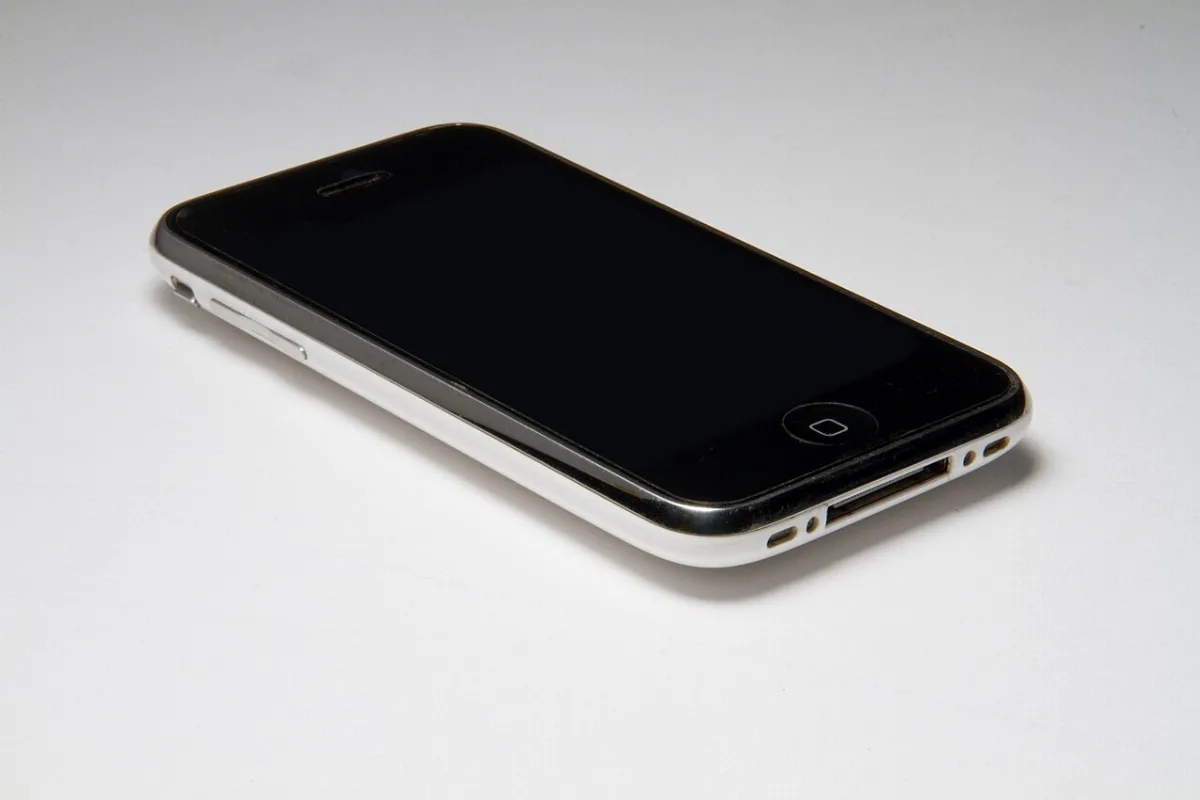
Pandora went public in 2011, and SiriusXM bought it in 2019. It's still around, and the thumbs are still there.
What a station left in your head
Everybody had a QuickMix that shuffled all their stations together, and the album art sliding across the player every time the song changed. Stations got named after inside jokes. Then came the groan when you hit the skip limit, and the check-in asking whether you were still listening, which tended to land while you were in the shower.
Finding a band you loved because Pandora played them between two you already knew still feels like a small win for the computer.
Stations for every part of life
Most people ended up with a long list of stations. There was a station for studying with no lyrics, a station for working out, a holiday station that only came out in December and a station named after a band you liked in high school. Some people had a single giant station they'd been thumbing for years, so finely tuned that nobody else was allowed to touch it.
How Pandora's Music Genome Project picks what you hear. Watch on YouTube
Sharing a computer with a sibling or roommate could ruin a station fast. One person's thumbs up on a song the other hated, and the whole thing drifted somewhere new. Plenty of people learned to make a second account just to keep their stations safe.
Then and now
Pandora's way of finding music fits right next to found bands before algorithms. It was a computer picking songs, but it picked them by how they sounded, the same way a friend might say "if you like this, try that." Plenty of people met their favorite band on a Pandora station and then went looking for them on MySpace. Around the same time, Last.fm was matching people by what they actually played.
If a station ever handed you a song you still play, give it a spot on your profile. Make a crib and set it as your song, or try the Crib Radio to hear what other people picked.
Back when the player stops asking if I'm still listening.
You Might Also Remember
 What Happened to Warped Tour?
 Calling Friends on Skype With a Headset
 BonziBuddy and the Toolbars That Took Over
 What Happened to Digg?
 Tamagotchi and the Keychain Pets That Needed You at School
 Watching VH1's Behind the Music
 What Your Away Message Said About You
 Guitar Hero and the Song Nobody Could Beat
Found a station you love? Put its best song on your crib.
Free, 18+ and no algorithm. Pick a profile song, rank your Top 8 and leave your friends comments.
Get Your Crib, It's Free