FriendCrib Mag
Calling Friends on Skype With a Headset
Skype launched in 2003 and made calls between computers free with a headset. Microsoft bought it in 2011 and shut it down in 2025.
 Written by Natalie Brooks · 56k: ~1 min
Skype was a program that let you make free voice and video calls from one computer to another, and it first came out in August 2003. Niklas Zennström and Janus Friis started it, with software built by a team of developers in Estonia, and it quickly became the way people called friends and family far away without paying long-distance fees. eBay bought Skype in 2005 and Microsoft bought it in 2011. In 2013 it replaced MSN Messenger. Microsoft shut Skype down on May 5, 2025 and moved its users to Microsoft Teams.
Free calls on the computer
Before Skype, calling someone in another state or country cost money by the minute. Skype changed that for anyone with a computer, a microphone and decent internet. If both people had Skype, the call was free, however far apart they were. Imagine telling a 1998 phone bill that.
The name came from "sky" and "peer-to-peer," because the calls traveled between users' computers instead of through phone lines. It was first going to be called Skyper, but the web addresses were taken, so they dropped the "r."
The headset era
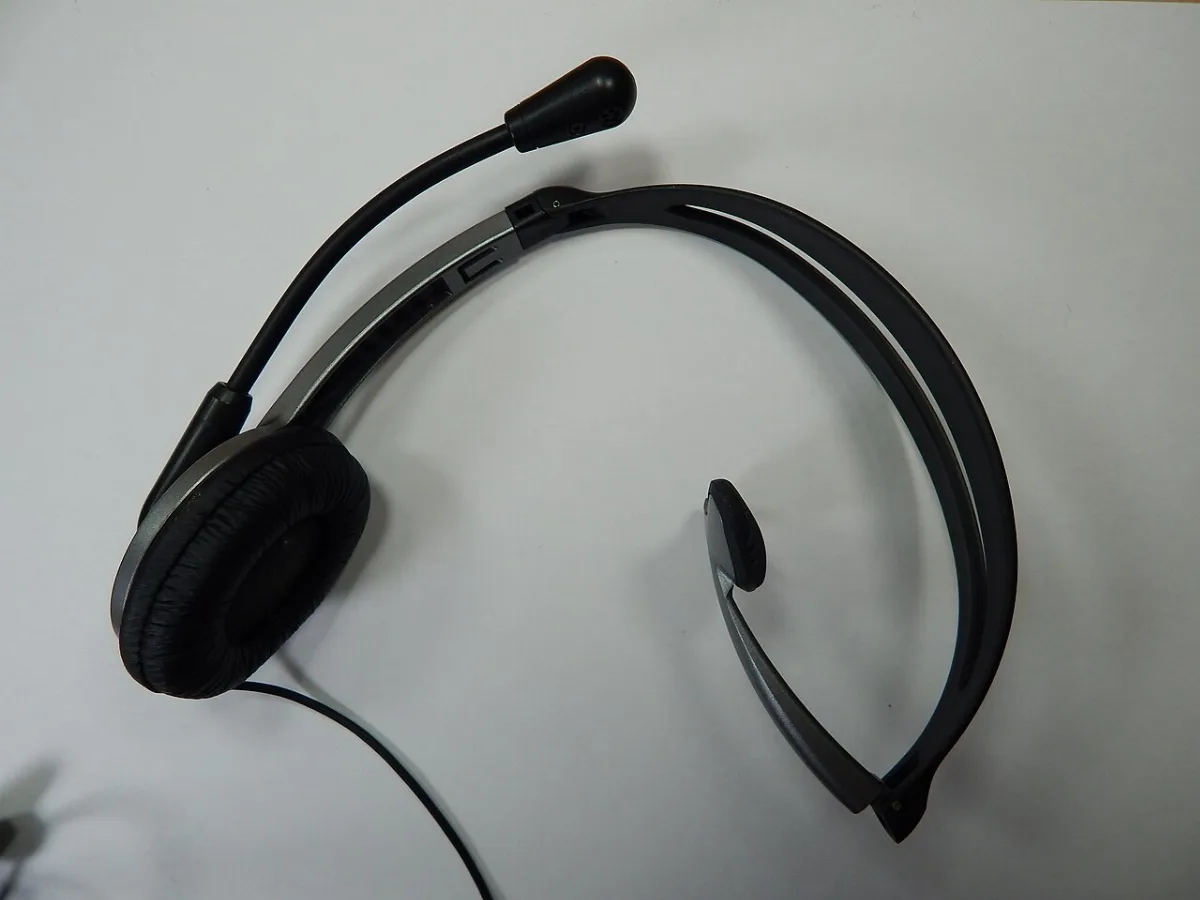
Most people used Skype with a headset that plugged into the computer. Headphones on, little microphone near your mouth, and you were ready. Early setups took some fiddling: sound settings, plugs in the wrong jack, and a test call to an echo service to make sure people could hear you.
Talking into a headset at the family computer meant everyone in the house could hear your half of the conversation. Long calls with a long-distance boyfriend or girlfriend turned into a family event, invited or not.
When did Skype add video calls?
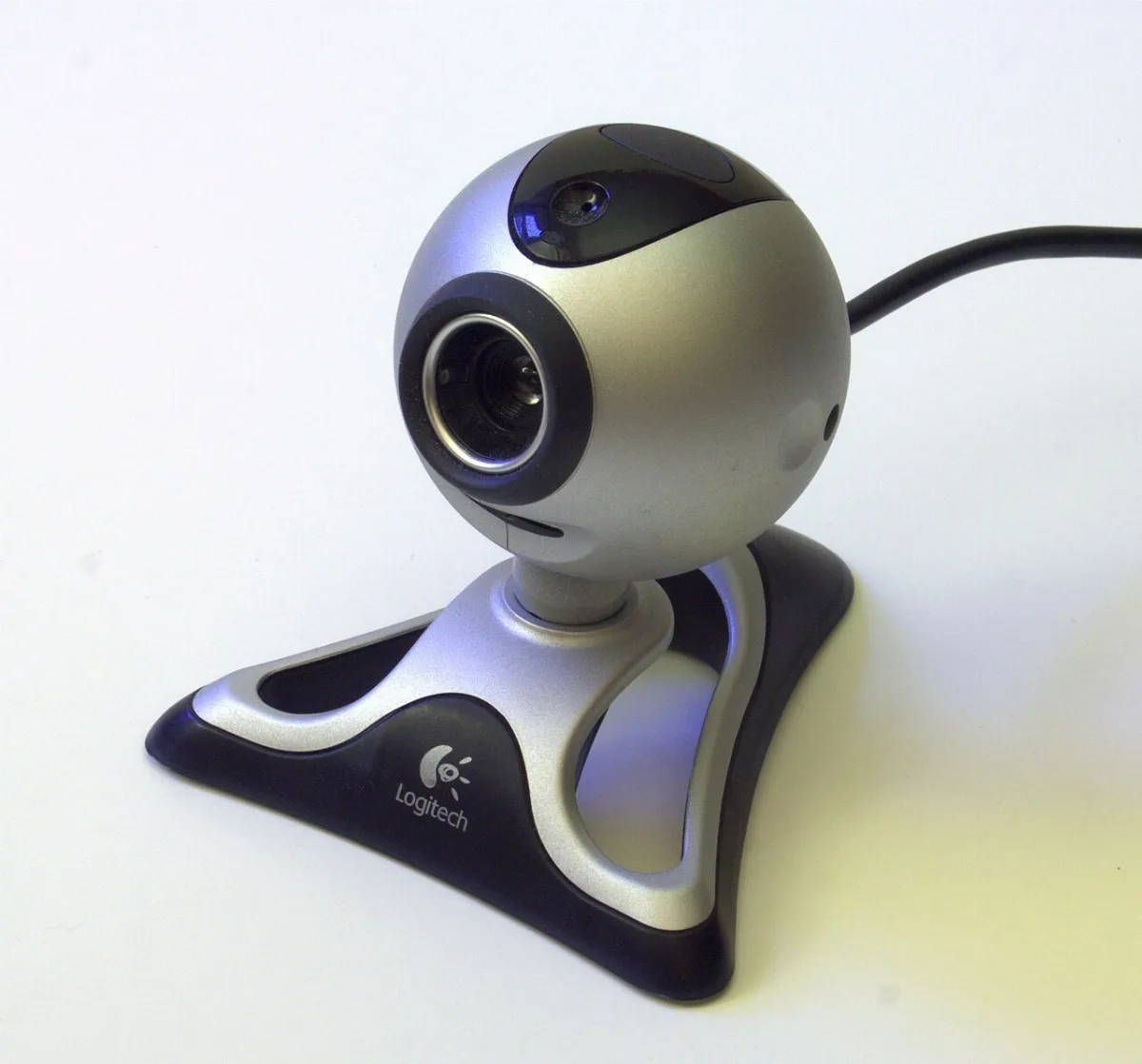
Skype added video calling in 2006 with Skype 2.0. Suddenly you could see the person you were talking to, as long as you had a webcam clipped to the top of your monitor. Video calls were grainy and jumpy and sometimes froze mid-blink, but seeing a grandparent's face from across the world felt like the future.
Webcams became one of the most popular computer gadgets of the time. Families bought them for holidays so relatives in other countries could see the kids grow up.
Calls to real phones
Skype also let you call regular phone numbers for a small fee, through a feature called SkypeOut. It was much cheaper than old long-distance rates, especially for calls to other countries. Plenty of people kept a few dollars of Skype credit around just for calling home.
Status icons and the Skype sounds
Like Yahoo Messenger and ICQ, Skype showed whether your contacts were online or away, and you could set a mood message under your name. It also had its own sounds, including a ringtone plus a little bubbly noise when someone signed on or sent a message. Plenty of people still recognize the ringtone the moment they hear it, and some still get a tiny jolt.
The rise and fall of Skype. Watch on YouTube
From eBay to Microsoft
In 2005, eBay agreed to buy Skype for about $2.6 billion, hoping buyers and sellers would call each other. It didn't really work out, and Skype was sold to a group of investors a few years later. In 2011, Microsoft announced it would buy Skype for $8.5 billion.
In 2013, Microsoft shut down Windows Live Messenger, the newer name for MSN Messenger, and moved its users to Skype. A lot of people's old contact lists from MSN ended up there, and so did the habit of typing to someone you used to see at school. If you remember chatting with strangers in the old days, AOL chat rooms were the other end of the same idea.
Is Skype still a thing?
Skype is gone, because Microsoft announced in early 2025 that it would close it and shut it down on May 5, 2025. Users were moved to Microsoft Teams, and the Skype website now points there. By then most people had long switched to FaceTime and WhatsApp, then Zoom, for calls.
Who made Skype?
Niklas Zennström from Sweden and Janus Friis from Denmark made Skype, after they had already started Kazaa, a file-sharing program that millions of people used to download music in the early 2000s. The same Estonian programmers who helped build Kazaa, Ahti Heinla, Priit Kasesalu and Jaan Tallinn, wrote the code for Skype. Their experience with peer-to-peer networks is what let Skype handle millions of calls without a giant phone system behind it.
That background made Skype feel a little rebellious at first. Phone companies were not happy about a free program that let people skip long-distance charges. For regular people it was simple: download it, pick a username, add friends, start talking.
Skype also became a big deal in Estonia, which built a reputation as a tech-friendly country partly thanks to the developers who built it. For years Skype had a large office in Tallinn, the capital. Many people who worked there went on to start their own companies.

Usernames and contact requests
Your Skype name was another screen name to think about. Some people used their real names, and plenty reused the handle they had on AIM or a message board. Adding someone meant sending a contact request, and until they accepted, you could only see a little gray question mark next to their name.
That request screen became its own small drama. People sent requests to friends of friends and old classmates, even people they met in game lobbies, then waited to see who would accept.
Things people remember
- Testing your microphone with the echo call
- Webcam calls freezing on the worst possible face
- Hearing the ringtone and running to the computer
- Long-distance relationships kept alive one call at a time
- Talking to grandparents across the world for free
- Turning on video and realizing your room was a mess
Keeping in touch
Skype made far-away friends feel close, and a lot of people still owe a friendship or two to those late-night calls. It had the same flutter as your crush signing on, only now the crush had a face and a voice.
Grab a crib, find the friends you used to call and leave them a comment. No headset required, and nobody in the next room has to hear your half.
You Might Also Remember
 Yahoo Messenger and the BUZZ
 A/S/L? Hanging Out in AOL Chat Rooms
 Encarta and Oregon Trail on the Family Computer
 What Your Away Message Said About You
 What Happened to Napster?
 Printing MapQuest Directions Before Every Road Trip
 Your First Hotmail Address
 Swivel Screens and BBM: The Sidekick and BlackBerry Days
Your friends are still out there. Say hi on their crib.
Free, 18+ and no algorithm. Pick a profile song, rank your Top 8 and leave your friends comments.
Get Your Crib, It's Free