














FriendCrib Mag
Swivel Screens and BBM: The Sidekick and BlackBerry Days
The T-Mobile Sidekick's screen swung up to show a full keyboard. BlackBerry owners traded PINs instead, so they could chat on BBM for free.
 Written by Natalie Brooks · 56k: ~1 min
If you ever swung a phone screen up with your thumb, or traded PIN codes to add a friend on BBM, you were carrying one of the two phones everyone wanted when a full keyboard still beat a touchscreen: the T-Mobile Sidekick or the BlackBerry. The Sidekick came out in 2002 and had a screen that swung up to reveal a keyboard, with AIM and email built right in. BlackBerrys were known for their thumb keyboards and for BlackBerry Messenger, or BBM, where you chatted with friends after trading PIN codes. At a time when most people were still tapping out texts on a number pad, either one felt like a tiny computer in your pocket.
The Sidekick swivel
The Sidekick's signature move was the screen. You pushed it with your thumb and it swung up and around, and the full keyboard was waiting underneath. Doing it in one smooth motion felt great, and people flipped theirs open over and over just because they could. Later models changed the style of the swivel, but the trick stayed.
Danger, the company that designed it, called the device the Hiptop. Most people just called it the Sidekick. A lot of owners had carried a Palm Pilot a few years earlier, so a keyboard you could use with both thumbs seemed like a gift.

AIM on your phone
The Sidekick was a messaging machine. It had AIM built in, so you could stay signed on to your buddy list after you left the house, plus email and a basic web browser. If you lived on instant messenger, that was huge. You could keep a conversation going from the bus, the mall or the back of a classroom.
Next to typing with T9 on a flip phone, a real keyboard felt like freedom. Messages got longer and conversations moved faster.
The look
Sidekicks came in different colors and special editions, and people dressed them up with cases and stickers. They turned up in music videos and in the hands of celebrities, which made them a status symbol for a while. Having one in high school meant you were very connected, or at least looked like it.
BlackBerry and BBM
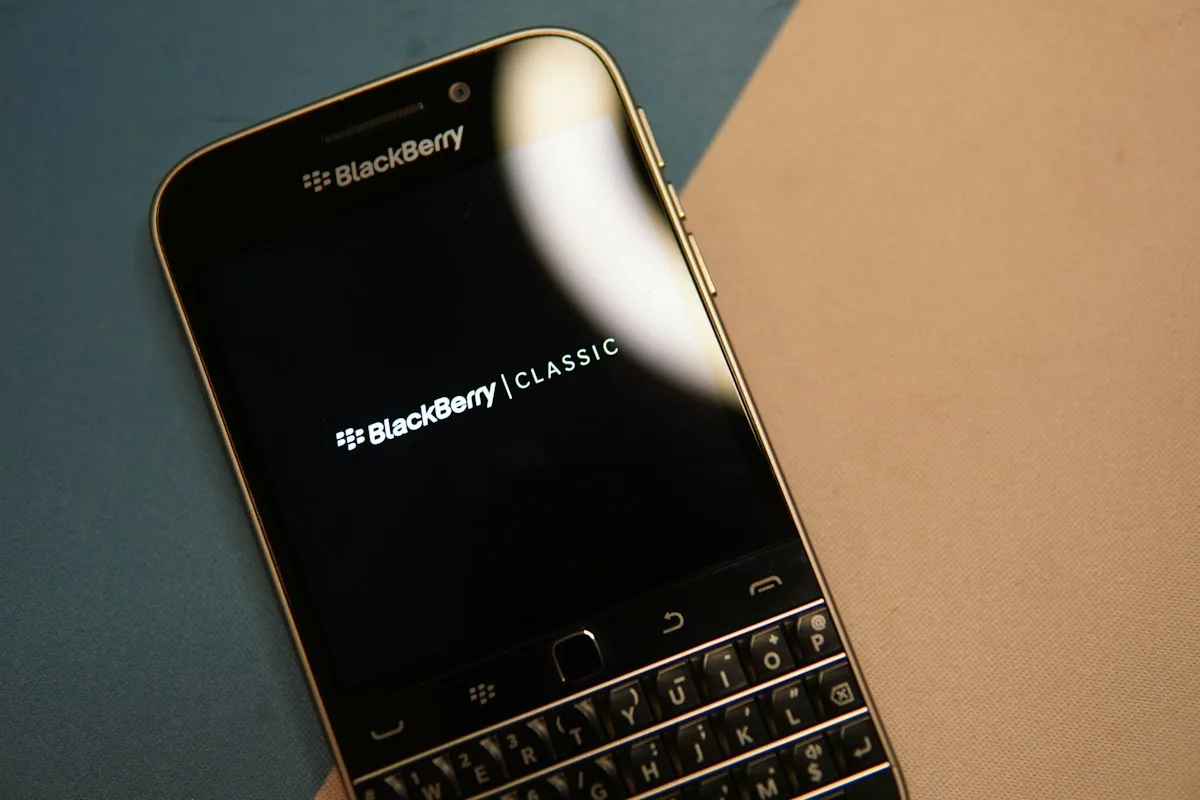
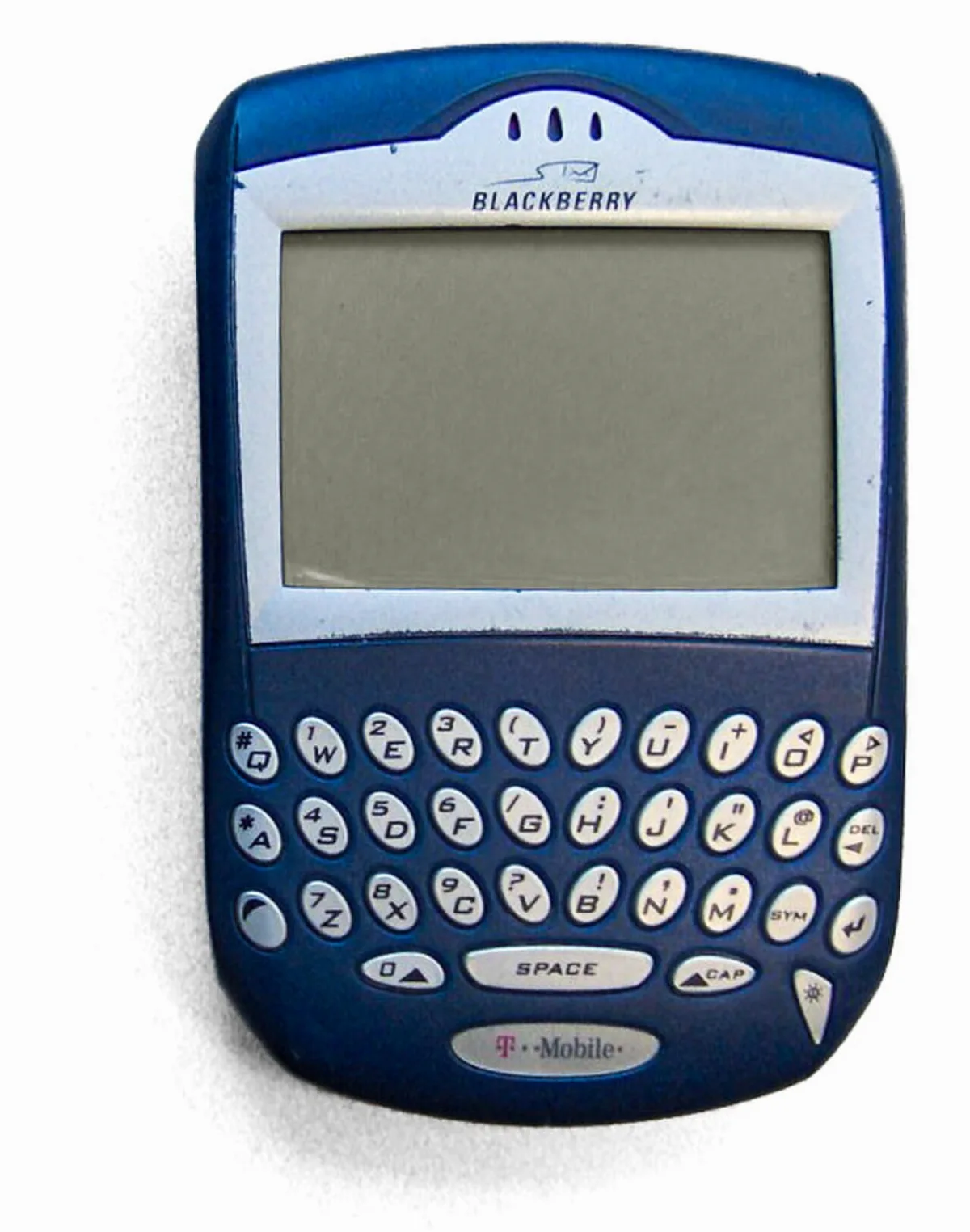
BlackBerry phones started out as tools for business people who needed work email everywhere. Then regular people found BlackBerry Messenger, launched in 2005. BBM let BlackBerry users message each other for free over data, with little letters that told you when your message was delivered and when it had been read. To add someone, you traded PINs, a short code unique to each phone. On job sites, the other business phone was usually a Nextel.
"What's your PIN?" became a normal question. Giving someone yours felt a lot like handing over your screen name.
Those two letters did a lot of damage. Seeing that someone had read your message and not answered yet could ruin an afternoon, and some people stared at the R like it owed them money.
The trackball and the scroll
Many BlackBerrys had a tiny trackball in the middle, first on the Pearl in 2006, that you rolled with your thumb to move around the screen. It glowed when a message came in, and over time it collected lint until it stopped scrolling right. Later models switched to a flat trackpad. Before trackballs, there was a scroll wheel on the side.
The keyboards had a loyal following all their own. People who typed fast on a BlackBerry could write long emails without looking, and some held on to theirs for years after switching was easy.
CrackBerry
People got so attached to checking their BlackBerrys that the nickname CrackBerry caught on. A blinking light in the corner meant a new message was waiting, and many users couldn't stand to leave it blinking. Checking it under the table at dinner became a classic move, and so did pretending you hadn't. Family members learned to recognize the quiet clicking of thumbs on tiny keys from across a room.
Ringtones, cases and charms
Both phones had their own accessories. Sidekick owners bought colorful replacement shells, gel skins and screen protectors. BlackBerry owners went for holsters that clipped to a belt, which said a lot about who carried them. Phone charms dangled from the corners of all kinds of devices, and a cracked case got covered in stickers instead of replaced.
Custom ringtones and alert sounds mattered too. A specific chime for a specific friend meant you knew who was messaging before you looked.
The 2009 Sidekick problem
In October 2009, a server problem at the company running the Sidekick service caused many users to lose their contacts, photos and other data, since much of it was stored online. About 800,000 people were affected, and T-Mobile first said the data was gone for good. A few days later Microsoft, which owned Danger by then, said it had recovered most of it. Some of it was later recovered, but it was a scary moment for people who had trusted the phone to keep their information safe. T-Mobile's Sidekick service ended in 2011.
What happened to BlackBerry?
BlackBerry lost its place to touchscreen phones, and by 2022 it had stopped supporting its classic phones. The iPhone came out in 2007, and over the next few years apps and touchscreens became what people wanted. BlackBerry kept going with new models and a loyal crowd, and BBM had already closed for regular users before the 2022 cutoff.
The Sidekick and the BlackBerry, and the touchscreen phones that replaced them. Watch on YouTube
What we miss
People who had these phones often say they miss the keys. Typing by feel, the click of each button and the snap of the swivel made messaging feel physical. A phone built mostly for talking to your friends had something going for it, too, because nobody was scrolling past strangers to get to them.
The little habits
- Typing under a desk without looking, by feel alone
- Showing a friend the swivel trick for the first time and watching them try it ten times in a row
- Charging cables that only fit one brand of phone
- Trading PINs on a scrap of paper at a party
- The panic of a BlackBerry freezing until you pulled the battery out
Messaging, the friendly way
FriendCrib has IMs between friends with a buddy list, away messages and your own chat font, like the old messenger days. Grab a username and add the people you used to BBM. You won't need a PIN.
Your Memories
Nobody has shared one yet. Be the first.
Make a free crib or sign in to add yours.
You Might Also Remember
 Pausing Live TV With a TiVo
 Racing Home From School for TRL
 Scrobbling Every Song to Last.fm
 ICQ and the Uh-Oh Sound
 The Digital Camera Photos We Refused to Delete
 Online Now! and the Last Login Date Everyone Checked
 Thanks for the Add and the Comments That Filled Every Profile
 A Thousand Songs in Your Pocket: The First iPod
Miss messaging your friends? Make your crib on FriendCrib.
Free, 18+ and no algorithm. Pick a profile song, rank your Top 8 and leave your friends comments.
Get Your Crib, It's Free