FriendCrib Mag
Burning Mix CDs and Downloading Music on LimeWire
Burning mix CDs and downloading from LimeWire was how we shared music in the 2000s. Every mix got a Sharpie track list, and the one for a crush took all night.
 Written by Natalie Brooks · 56k: ~2 min
Burning mix CDs and downloading songs from LimeWire was how people shared music in the 2000s. Before streaming, sharing music took effort. In the late 1990s and 2000s, people downloaded songs through programs like Napster and LimeWire, burned mixes onto blank CDs with a marker-written track list, and later filled up iPods from the iTunes Store. Every step was slower than today, and you had a specific person in mind for most of it.

Here is what it felt like.
The spindle
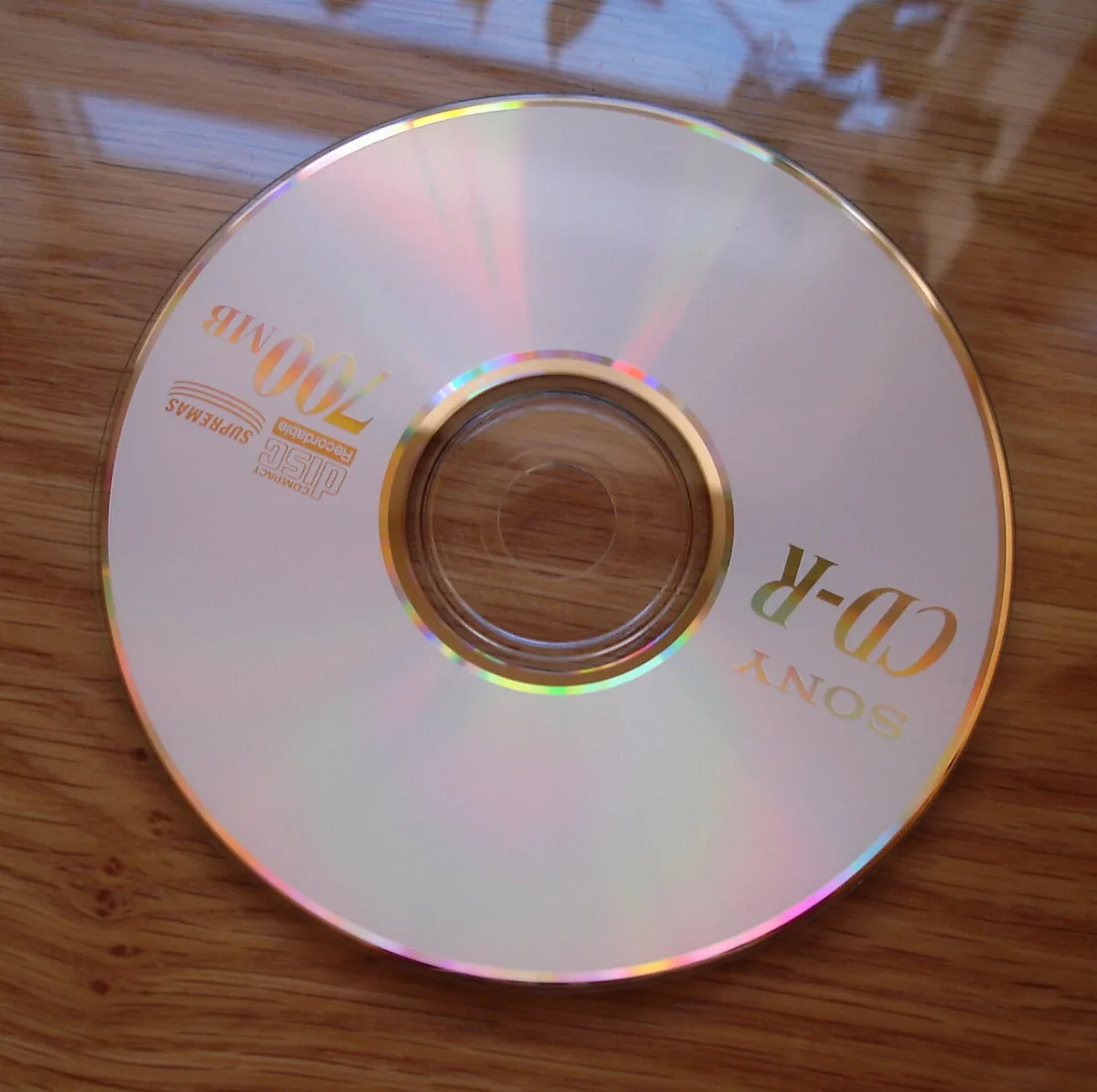
It started with a spindle of blank CD-Rs, fifty discs stacked on a plastic post. You'd unscrew the lid, pull one off the top and hold it by the edges like it was made of glass. Burning a mix was the cheaper answer to buying every Now That's What I Call Music disc.
A disc held 80 minutes, which usually meant 18 to 20 songs, so you spent a lot of time cutting your sixth-favorite song to make room for your fifth.
What happened to LimeWire?
A court ordered LimeWire shut down in October 2010. It came out in 2000 and became one of the biggest file-sharing programs, picking up where Napster left off. Napster arrived in 1999 and let people share music files directly with each other, and after the record industry sued, a court shut it down in 2001.
If you used LimeWire, this list will look familiar:
- Songs labeled with the wrong band, or a live version with someone coughing in the middle
- A "song" that turned out to be something else entirely
- One file taking all evening on a slow connection, then failing at 99%
- Sitting very still, hoping you hadn't just broken the family computer
The burn
Then came the actual burning. You dragged your songs into a playlist, put them in order, and moved them around. And moved them around again.
You had to choose "Audio CD," not "Data CD," or your friend's car stereo wouldn't play it. Everyone made that mistake once. Then you hit Burn and watched the progress bar crawl while you prayed nobody bumped the desk, because a jolt could ruin the disc and you'd have a shiny new coaster.
How LimeWire took over music sharing, and how it ended. Watch on YouTube
The finishing touches
- The track list, written on the disc in Sharpie, getting smaller and more cramped by song 17
- A paper insert, sometimes with a drawing, sometimes with a title like "summer 05" or "for the drive"
- The first song, chosen to set the mood
- The last song, which was the real message
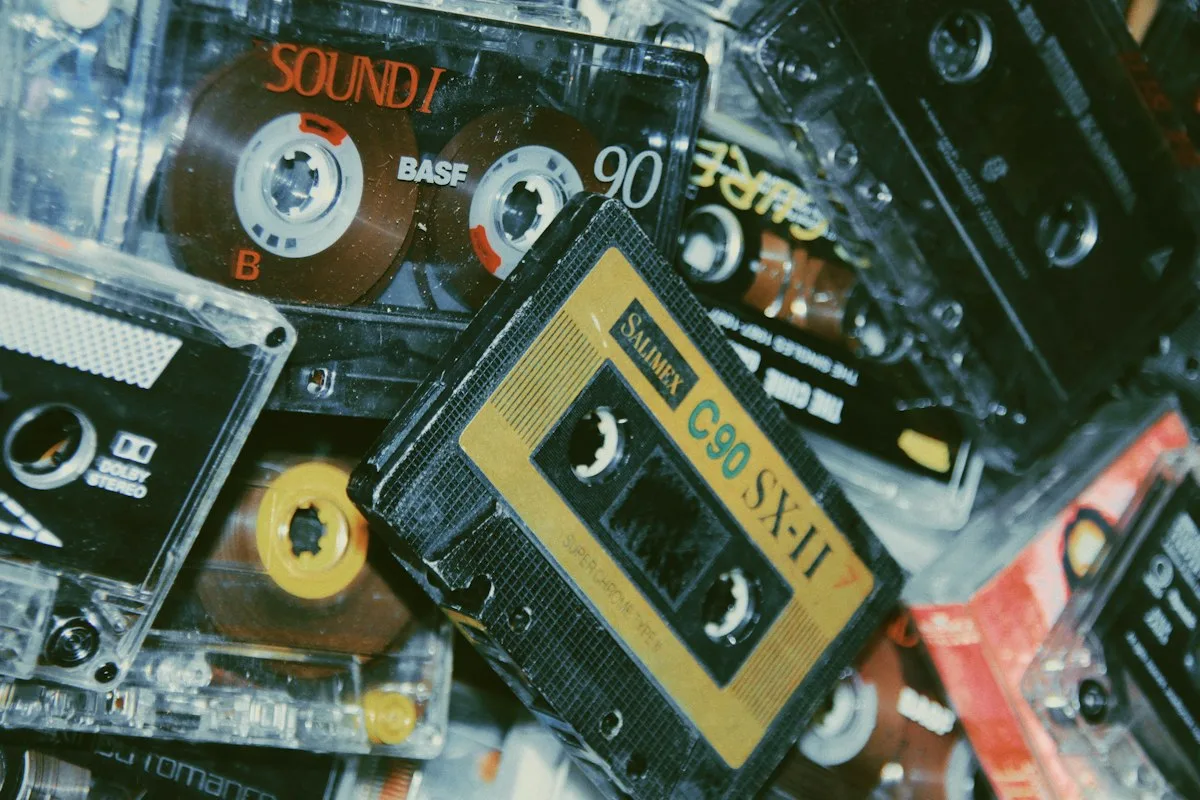
A burned CD for a crush was a whole project. You thought about the order more than your actual homework, the same way older siblings had once fussed over tapes recorded off the radio.
Anatomy of the perfect mix
Every great burned CD followed a loose structure, even if nobody planned it:
- Track 1 was the opener: upbeat, confident, impossible to skip.
- Tracks 2 to 5 warmed things up with songs everyone knew, so the mix felt friendly.
- Track 6 was the reveal, the new band you discovered and needed this person to hear.
- The middle held the deep cuts, where you got a little weird.
- The slow one sat somewhere around track 12, placed with care.
- The last track was the song you actually meant. If you made it for a crush, they listened to this one last and thought about it all night.
Trading music at school
Music moved through hallways. Someone burned a copy of an album and by Friday half the grade had it, each copy labeled in different handwriting. People swapped mixes in the lunchroom and borrowed CD binders, then returned them missing one disc. Everyone kept a running list of who had the best taste.
The blank CD aisle
Most of the real albums came from a trip to the mall music store or Tower Records. Buying blank discs was its own errand. Spindles of 25, 50 or 100, in silver, gold or a tinted blue that felt fancy. You picked the cheapest one and regretted it when a disc failed halfway through a burn.
The car binder
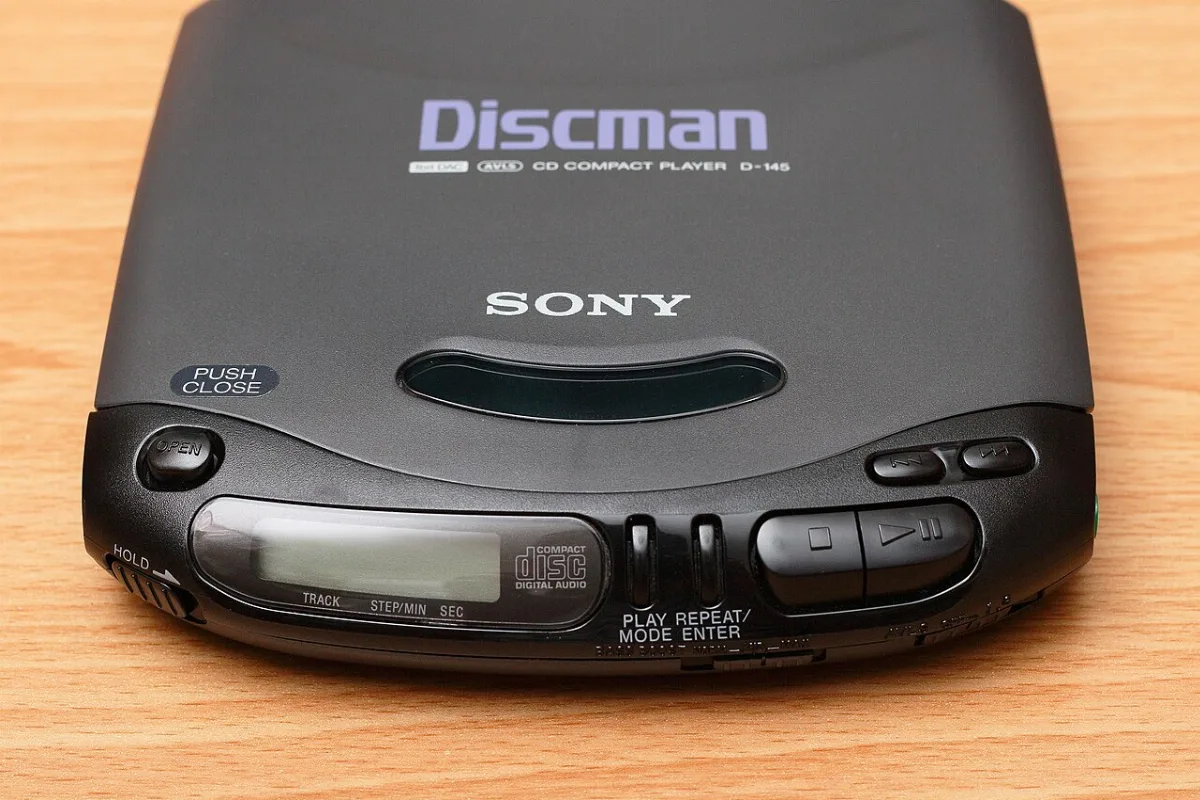
Every car had one. A zip-up CD binder on the floor of the passenger side, filled with burned mixes, a few real albums, and at least one disc so scratched it skipped on the only song you cared about, every time, at the exact same second. If you had a Discman, that same scratch followed you onto the bus.
The mix CD as a love letter
A lot of relationships in the 2000s started with a burned CD. You couldn't say "I like you" out loud, so you made a mix that said it for you. The person receiving it would study the track list like a puzzle, looking for hidden meaning in every title. Usually it was there.
Until then, most of that music lived on the family computer, playing through Winamp with whatever skin you'd picked that week. The best road trip mixes rode in the car next to a stack of printed MapQuest directions.
The iPod
Apple announced the iPod in October 2001 and opened the iTunes Music Store in April 2003, with songs at 99 cents each. Suddenly a thousand songs fit in your pocket. Playlists replaced burned discs for a lot of people, but people still picked the songs, fussed over the order and handed them to someone who'd get it.
What streaming changed
Streaming made music cheap, legal and nearly endless, and that is a real improvement. A lot of the picking now happens through an app guessing what you might like, though, and an app has never handed anyone a disc with their name on it and said, "Track 6. Trust me."
Music, the personal way
On FriendCrib, music still comes from people. Put a profile song on your crib, list the five songs on repeat in My Week in Songs, and find new bands on FriendCrib Music, where artists post their own songs and shows. Every week there's a Band of the Week, picked by a real person.
A lot of the bands on those mixes were ones we found on band pages and message boards, one friend's recommendation at a time.
When you want to hear what everyone else picked, Crib Radio hops from crib to crib playing each profile song.
If you never stopped making mixes, make a crib and put your track 6 at the top. Trust us.
You Might Also Remember
 Building the Perfect Pandora Station
 The Digital Camera Photos We Refused to Delete
 How to Write an About Me People Actually Read
 Forward This to 10 People: Chain Emails We All Got
 Whatever Happened to MySpace (and Tom)?
 Finding New Bands on The O.C.
 How We Found Bands Before Algorithms
 Wikipedia's Early Days and the Teacher Who Said Don't Use It
Share your music again. Put a profile song on your crib at FriendCrib.
Free, 18+ and no algorithm. Pick a profile song, rank your Top 8 and leave your friends comments.
Get Your Crib, It's Free