















FriendCrib Mag
Whatever Happened to MySpace (and Tom)?
MySpace was the most visited site in the US in 2006 and sold for $35 million five years later. What went wrong, and where Tom is now.
 Written by Daniel Rivera · 56k: ~1 min
MySpace still exists, but the site most people remember is gone. It launched in 2003 and briefly became the most visited website in the United States in 2006. Facebook took the lead between 2008 and 2009, and the company sold in 2011 for a small slice of what it once cost. In 2019 it admitted that more than a decade of uploaded music and photos had been lost. Tom, everyone's first friend, left the business and became a photographer in Hawaii.
That is the short version. The long one has more glitter in it, and a lot more Tom.
- 2003MySpace launches in August
- 2005News Corp buys its parent company for $580 million
- 2006Briefly the most visited site in the US; the 100 millionth account is created in August
- 2008MySpace Music launches; Facebook catches up worldwide
- 2009Facebook passes MySpace in the US; big layoffs; the founders leave
- 2011Sold for about $35 million
- 2013Relaunched with a new design
- 2019Admits years of uploads were lost in a server move
- TodayStill online, but not the place you remember
How it started
MySpace went live on August 1, 2003. It was built inside an internet company called eUniverse (later renamed Intermix Media) by a small team that included Chris DeWolfe, Tom Anderson and Aber Whitcomb. The first users were the company's own employees, who were encouraged to sign up their friends.
What made MySpace different was how much it let you make your page your own. You could change your colors and background, add a song and write whatever you wanted. MySpace never really built a design tool, so people pasted in code they found online. Half the internet learned a little HTML because they wanted glitter on their profile.
A typical page had the same bones, even when the paint was wild. Your picture and a short headline went up top, next to your mood and the last time you logged in. A Details box listed your hometown, your zodiac sign and if you smoked or drank. Below it came About Me, Who I'd Like to Meet, and an Interests section where people listed every band they had ever heard. Your Top 8 sat further down, with the comments underneath.
The comments were their own culture. "Thanks for the add!" from someone you'd never met. Giant glittery graphics wished you a happy Friday. Your best friend left paragraphs that were basically letters, written in public on purpose.
Bands figured out early that this was the best promotion tool they had ever been handed. A musician could post songs, list shows and talk to fans directly. A lot of artists who became famous later got their first real audience there.
MySpace wasn't the first site like this. Friendster had people collecting friends and testimonials first, and plenty of its users moved straight over.
The peak
In July 2005, News Corp bought Intermix, MySpace's parent, for $580 million. People thought that was a lot of money for a website full of teenagers and glitter.
A year later it looked like a bargain. In July 2006, the tracking company Hitwise reported that MySpace had become the most visited website in the US for a week, edging past Yahoo Mail and Google. On August 9, 2006, MySpace created its 100 millionth account.
If you were in high school or college then, you remember. It was where everyone was. You came home, logged in, checked your comments, changed your song, and maybe rearranged your Top 8.
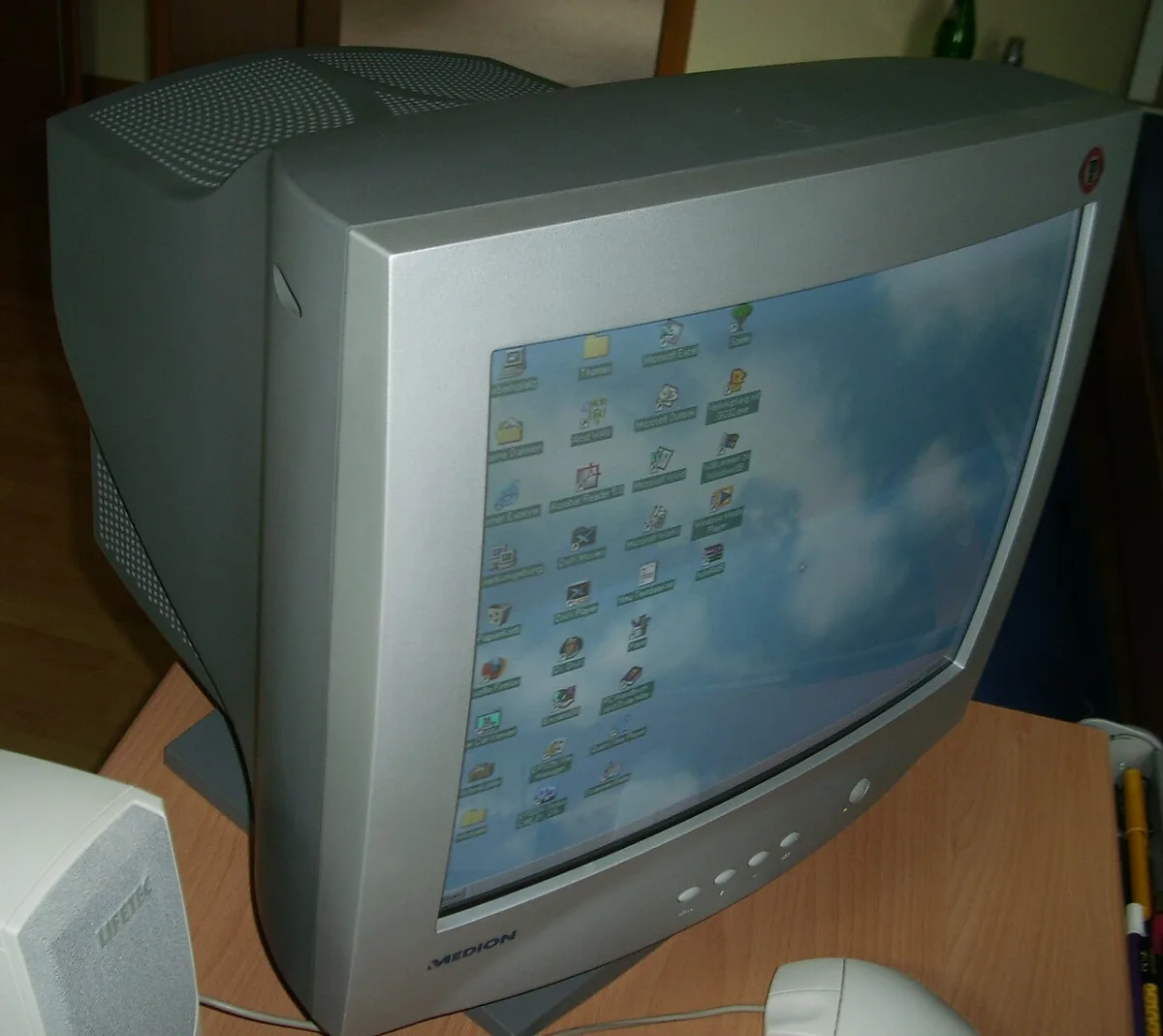
A day on MySpace in 2006
A normal visit went something like this. After logging in you went straight to your home page, which announced new comments, friend requests and messages in big letters. Then you tried to find out who had viewed your page, which MySpace never really told you.
Next came the rounds. Your best friend's page was first, to read what they wrote on other people's walls. Your crush's page was for checking their song and mood, and a band's page told you whether a show was coming to your town.
Then there were bulletins. People posted surveys as bulletins with titles like "50 THINGS ABOUT ME" and everyone filled them out and reposted them. Others posted chain bulletins warning that MySpace would start charging money unless you reposted. It never did.
Before logging off, you might change your mood or your song, or post "thanks for the add!!" on someone's page. The next day you did it all again.
Why did MySpace fail?
People like to say "Facebook killed MySpace." Facebook mattered a lot, but it was more of a pile-up:
- After the sale, pressure to make money showed up as ads on every page.
- Spam and fake profiles moved in, and friend requests from strangers selling things became a normal part of logging in.
- All that custom code made profiles heavy. Some took forever to load or broke completely.
- In 2006, Facebook opened to anyone, where before it had been for students. It was cleaner, simpler and built around real names.
- MySpace kept adding features while the basics got worse.
Even so, MySpace had one more big swing. In April 2008, it announced MySpace Music with the major record labels, and it went live that September. It should have been a huge win. That same month, comScore measured Facebook and MySpace at roughly the same number of visitors worldwide. In the US, Facebook pulled ahead in May 2009.
People did not leave in one big wave. They drifted, one friend at a time, until logging in felt like walking through an empty mall.
2009 was rough. Chris DeWolfe was replaced as CEO. Tom Anderson moved out of his role and left later that year, and in June the company cut about 30 percent of its staff. Another big round of layoffs came in early 2011.
What the founders were up against
It's easy to look back and say MySpace should have done this or that. In real time, it was hard. Millions of people were using the site in ways nobody planned, it was growing faster than the team could build, and its owners wanted money quickly. Every page had to carry ads.
Meanwhile Facebook had a simpler pitch. It offered your real friends under their real names, in a clean layout that looked the same for everyone. For a lot of people, especially once parents and coworkers showed up online, that felt safer. MySpace's biggest strength, letting everyone design their own page, also made it look chaotic next to Facebook's tidy blue and white.
The sale and the relaunch
In June 2011, News Corp sold MySpace to Specific Media for about $35 million, roughly 6 percent of what it had paid six years earlier. Justin Timberlake was part of the buying group.
The new owners rebuilt MySpace as a music and entertainment site and launched a redesign in January 2013. Old blogs were deleted that year. Ownership changed hands a few more times after that, through deals involving Time Inc. and later Meredith.
The lost music
In March 2019, MySpace confirmed that everything uploaded from its launch through 2015 had been lost during a server migration. That included more than 50 million songs. For many small bands, those uploads were the only copies anywhere online.
Weeks later, the Internet Archive restored nearly 490,000 songs from 2008 to 2010 that had been saved by an anonymous group of researchers. They called the collection the Dragon Hoard. It was a rescue, but a small fraction of what disappeared, so if some band you loved in 2007 only ever existed on their MySpace player, those songs are probably gone for good.
A look back at how MySpace rose to the top and how it fell. Watch on YouTube
What MySpace got right
MySpace was messy. Songs blasted the second a page opened, glitter covered everything and spam filled your comments. It still got one big idea right: your page was yours, with your song and colors on it and your people in the order you picked.
That is the idea FriendCrib was built around, minus the spam and crashes. If you want to see how close it gets, set up a MySpace-style profile and judge for yourself. Signing up is free.
People have been asking whether there's a new MySpace for years, and the answer is more interesting than you'd think.
Somewhere in an old profile, Tom is still smiling over his shoulder in a white T-shirt.
And Tom?
When you signed up, Tom was already your friend, smiling over his shoulder in a white T-shirt. For millions of people, he was literally their first friend online.
Tom Anderson cashed out and walked away from the social media business. He spends much of his time in Hawaii and works on landscape and travel photography. He posts now and then, he has said he doesn't sell his photos, and by most accounts he seems pretty happy.
Your Memories
Nobody has shared one yet. Be the first.
Make a free crib or sign in to add yours.
You Might Also Remember
 How to Write an About Me People Actually Read
 Who Made Your Top 8?
 Bidding Wars and Sniping: eBay in the 2000s
 Flipping Through CDs at Tower Records
 GoldenEye 007 and Four-Player Split Screen
 Building the Perfect Pandora Station
 How We Found Bands Before Algorithms
 16 Things Everyone Had on Their Profile in 2006
Want a profile that is actually yours again? Make a crib on FriendCrib.
Free, 18+ and no algorithm. Pick a profile song, rank your Top 8 and leave your friends comments.
Get Your Crib, It's Free