FriendCrib Mag
Buying Songs for 99 Cents on iTunes
In 2003 the iTunes Music Store started selling almost any song for 99 cents. Gift cards and Pepsi caps paid for plenty of them, and burn limits came along.
 Written by Claire Donovan · 56k: ~2 min
The iTunes Music Store opened on April 28, 2003, and it let you buy a single song for 99 cents and download it in seconds. It launched on Macs only with more than 200,000 songs from all five major record labels, then came to Windows that October. For most of the 2000s, it was the main way people paid for music on their computers, and it turned the 99-cent song into a habit. Apple later raised and lowered prices, added movies and apps, and eventually split iTunes into separate apps in 2019.
How did the iTunes store work?
The store lived inside iTunes, the same program people already used to rip CDs and fill their iPods. You searched for a song, clicked to hear a 30-second preview, and hit Buy. A second later it showed up in your library, ready to drag onto your iPod.
At launch there was no subscription and no monthly fee. Songs were 99 cents and most albums were $9.99. Coming right after the free-for-all of Napster, that was a big deal, because it was the first time paying for music online felt as easy as stealing it.
The store sold a million songs in its first week. In October 2003, Apple released iTunes for Windows, which opened the store to far more people.
The rules that came with every song
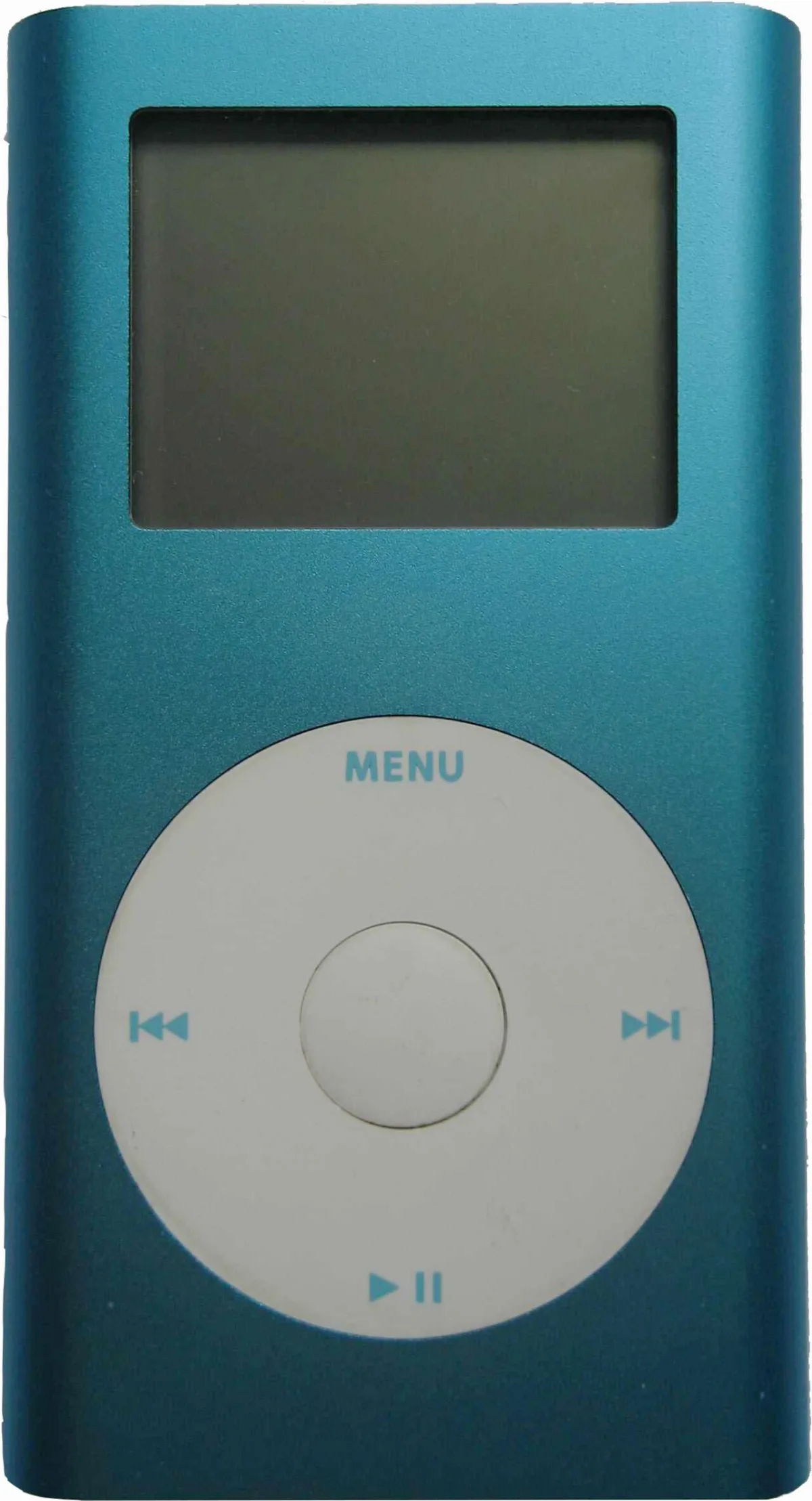
Early songs came with copy protection called FairPlay. You could play them on your iPods and on a few authorized computers. At first that was three computers, and in 2004 Apple raised it to five. If you forgot to deauthorize an old laptop before selling it, you burned one of your five spots for good, at least until Apple added a way to reset them.
You could also burn songs to CDs. In 2004 Apple lowered the limit to seven burns for the same playlist, so making the same mix for the whole class meant shuffling the order now and then. Single songs could still be burned as often as you liked.
Gift cards, Pepsi caps and free singles
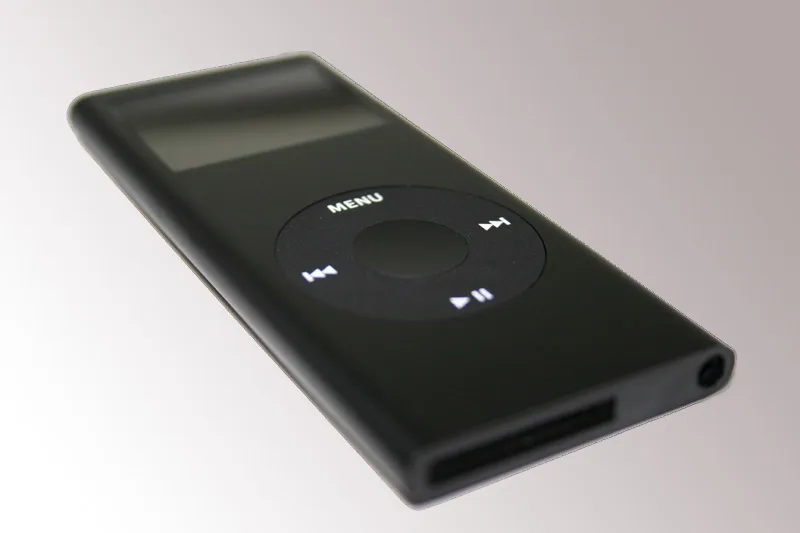
For a lot of people, the first song they bought came from a gift card or a bottle cap, not a credit card. iTunes gift cards became a go-to present for birthdays and holidays, especially for anyone too young to have a card of their own.
Then there was Pepsi. On Super Bowl Sunday in 2004, Pepsi started a promotion with 100 million free songs hidden under bottle caps. You tilted the bottle to peek under the cap before buying it, which every store clerk loved. Pepsi ran it again in 2005 with even more songs.
Every Tuesday, iTunes also put out a Free Single of the Week, usually from a new artist. Plenty of people found a new favorite band because the song happened to be free that week, which is finding bands that still works.
Playlists and smart playlists
Buying songs one at a time changed how people built their music. Libraries filled up with singles instead of whole albums, and playlists did the rest. People made one for the bus, one for the gym, one for a road trip and a special one for a crush. Smart playlists could even fill themselves, grabbing every song you'd rated five stars or never played.
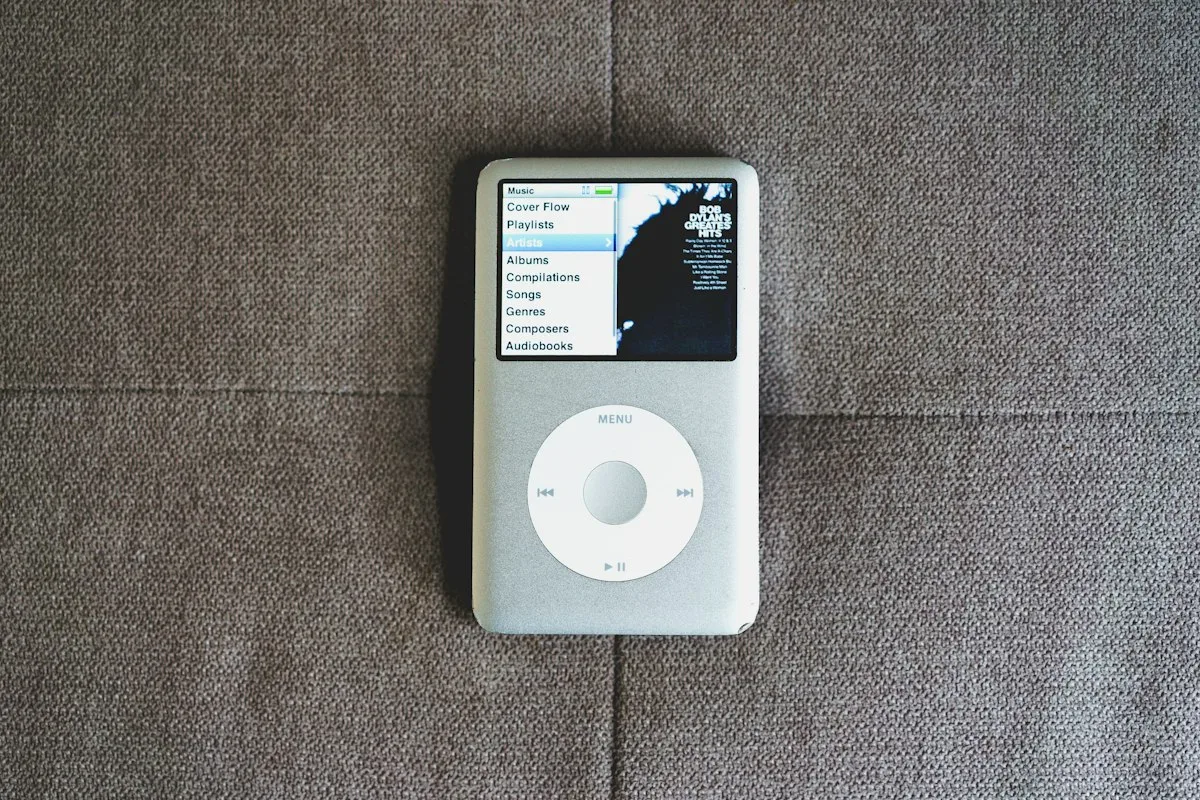
The other habit was the mix CD. You bought the songs you needed, burned it, wrote the track list on the case and handed it over. It was the legal version of what people had been doing with Sharpie labels for years.
Big milestones
In February 2006, a 16-year-old in Michigan bought the billionth song on iTunes. It was "Speed of Sound" by Coldplay, and Apple gave him an iMac, ten iPods and a $10,000 gift card. Four years later, in February 2010, a man in Georgia bought the ten billionth song, Johnny Cash's "Guess Things Happen That Way," and won another $10,000 gift card.
- April 2003The iTunes Music Store opens on Macs with 99-cent songs
- October 2003iTunes comes to Windows
- February 2004The first Pepsi bottle cap giveaway
- October 2005Music videos and TV shows go on sale
- February 2006One billion songs sold
- April 2009Copy protection ends and prices split into 69 cents, 99 cents and $1.29
- February 2010Ten billion songs sold
- October 2019iTunes splits into Music, TV and Podcasts on the Mac
Did iTunes songs always cost 99 cents?
iTunes songs did not always cost 99 cents. They stayed at that price for about six years, then the price changed in April 2009. Apple and the labels moved to three prices: 69 cents, 99 cents and $1.29, with the newest hits usually at the top. The same month, the copy protection went away for good, and songs were sold in higher quality. If you had older songs, you could upgrade them to the new version for 30 cents each.
Videos, TV and the rename
In 2005 the store started selling music videos and TV shows for $1.99 each, and people watched episodes of "Lost" on tiny iPod screens. A year later, with movies and games added, Apple dropped the word "Music" and renamed it the iTunes Store. In 2010 it even tried a music social network inside iTunes called Ping, where you could follow artists and friends. It closed two years later, and most people never noticed it was there.
Steve Jobs introducing the iTunes Music Store in 2003. Watch on YouTube
What people still remember
- The little "Purchased" playlist filling up week after week
- Spending a whole gift card in one night, one song at a time
- The 30-second preview cutting off right before the chorus
- Forgetting to deauthorize a computer before it died
- Hunting for the Free Single of the Week every Tuesday
- Album artwork that showed up after you clicked "Get Album Artwork"
Those 99-cent buys turned into the music that filled the first iPod many of us owned. They also ended up on profiles, because the song you just bought was usually the one you couldn't stop playing. That's how plenty of profile songs got picked in the first place.
Streaming changed how people listen, but a lot of us still have those old purchases sitting in a library somewhere. If one of them still hits, grab a crib and give it a home. The store sold a million songs in its first week, so that's the number I'd leave on the counter.
You are visitor # 01000000
You Might Also Remember
 Printing MapQuest Directions Before Every Road Trip
 Scrobbling Every Song to Last.fm
 GoldenEye 007 and Four-Player Split Screen
 The Emo Songs on Every Profile
 Nobody Knew What a Facebook Poke Meant
 How Did T9 Texting Work on Old Flip Phones?
 It's Complicated: Changing Your Facebook Relationship Status
 Racing Home From School for TRL
Bought a song you still love? Make it the song on your crib.
Free, 18+ and no algorithm. Pick a profile song, rank your Top 8 and leave your friends comments.
Get Your Crib, It's Free