FriendCrib Mag
Scrobbling Every Song to Last.fm
Last.fm logged every song you played and turned it into weekly charts. Scrobbling is still going, and the site now works with Spotify.
 Written by Natalie Brooks · 56k: ~1 min
Last.fm is a music website that keeps a record of every song you play, a habit people call scrobbling, and turns it into charts of your top artists, albums and tracks. It started in the UK in 2002, merged with a project called Audioscrobbler in 2005, and was bought by CBS in 2007 for about $280 million. In the mid-2000s, it was where music fans compared their taste with friends and found people who liked the same bands. Last.fm is still running, and lots of people have been scrobbling for twenty years.
What is scrobbling?
Scrobbling means sending a note to Last.fm every time you play a song. Back then, you installed a small plugin for your music player, like iTunes or Winamp, and it logged each track in the background after you'd listened to most of it. Last.fm added it to your profile, and over time it built a picture of your listening that was more honest than anything you'd say out loud.
The word came from Audioscrobbler, a project Richard Jones started as a student at the University of Southampton. It merged with Last.fm in 2005, and the name stuck as a verb. Nobody ever explained why it sounded like something you do to a pot.
Charts that told the truth
Every week, Last.fm made new charts of your top artists, tracks and albums. Checking them felt a little like stepping on a scale. You might think of yourself as someone with great taste, then see that your number one artist this week was the band you played twenty times while studying.
A song you'd bought for 99 cents on iTunes counted the same as one you'd had for years, so the chart never cared how you got your music. Some people curated their listening on purpose, playing an album through just to push it up the chart. Others let the charts be whatever they were and found it funny to look back at an old week years later.
Taste-o-Meter and neighbours
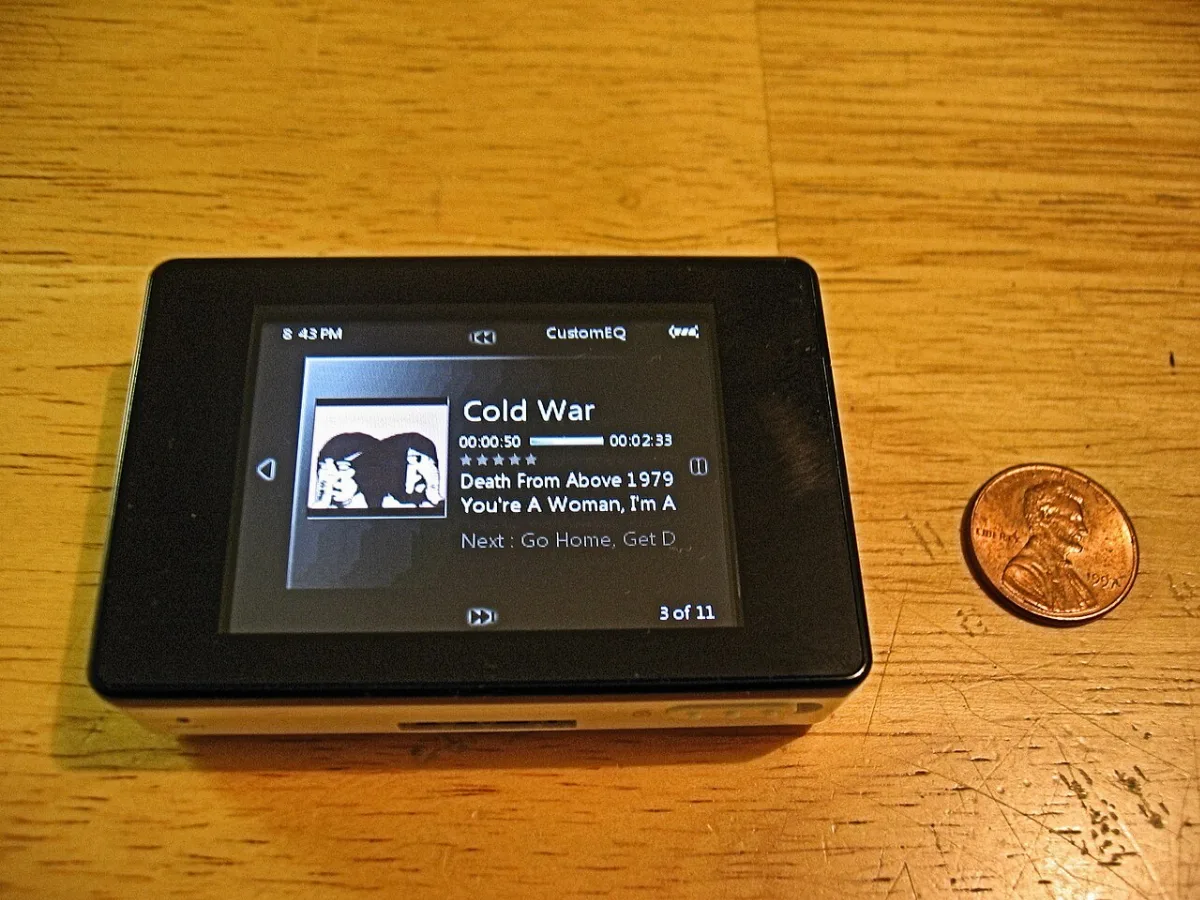
Every profile had a Taste-o-Meter that compared your listening with someone else's and gave a rating, from low all the way up to super. People checked it on crushes, friends and strangers alike. Getting a super match with someone you'd just met gave you something to say besides hello.
Last.fm also listed your neighbours, a set of people whose listening looked a lot like yours. Clicking through your neighbours' profiles was a way to find new music that had nothing to do with what was popular. If five of your neighbours were all playing a band you'd never heard of, you probably needed to hear it.
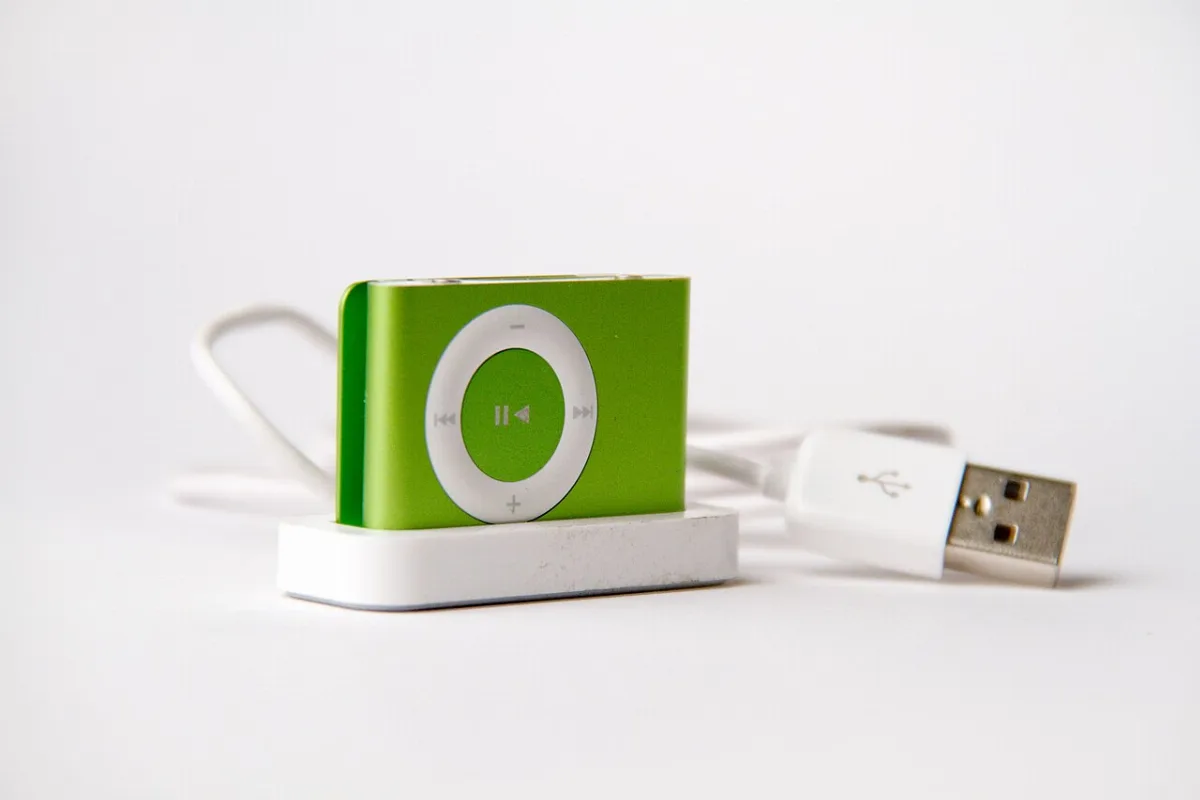
It worked like finding bands on MySpace, except the recommendations came from your own listening.
Loved tracks, bans and shoutboxes
You could mark a song as loved, which added it to a list on your profile, or ban a song so Last.fm Radio would never play it again. Profiles and artist pages had shoutboxes, where people left little public messages, a lot like comments on a profile. Artist pages also listed their top fans, and getting your name on that list for a band you loved meant something.
- 2002Last.fm starts in the UK, and Audioscrobbler starts at a university
- 2005The two merge
- 2007CBS buys Last.fm
- 2009Radio outside a few countries starts needing a subscription
- 2014Last.fm radio streaming ends, and Spotify scrobbling arrives
- 2022Last.fm turns 20
Tags and the .fm in the name
Users could tag artists and songs with words like "indie," "shoegaze" or "rainy day," and Last.fm built charts and stations out of those tags. Browsing a tag was an easy way to fall down a hole of bands you'd never heard of. Some tags were serious genre names and others were inside jokes that somehow caught on across the whole site.
The name had a small joke in it too. The .fm ending was a nod to FM radio, back when a radio station was how most people found new music.
Last.fm Radio
For a few years, Last.fm also had its own radio. You could play a station based on an artist, on a tag, or on your own library and your neighbours' music. It felt a bit like a Pandora station, except it leaned on what real listeners played instead of how songs sounded. In 2009 Last.fm started charging for radio in most countries outside the US, the UK and Germany. Radio slowly became a paid feature and finally ended in 2014, but the scrobbling part kept going.
How scrobbling works, and why people have kept it up for years. Watch on YouTube
Is Last.fm still a thing?
Yes, Last.fm is still running, and it works with Spotify, so you can scrobble every song you stream without installing anything special. It had a bit of a comeback in recent years when people started sharing their weekly charts again and comparing stats with friends.
Some people have unbroken scrobble histories going back to 2005 or 2006, with tens of thousands of songs logged. Scrolling back to your first week is like reading an old diary written entirely in band names.
Things people remember
- The red Last.fm look before anything else had its own color
- Forgetting to turn off scrobbling and logging a whole album you hated
- Leaving music playing overnight just to boost a band on your chart
- Seeing a crush's top artist and pretending you already liked them
- Bragging about your total scrobble count
- Checking the Taste-o-Meter before deciding if someone was cool

Showing it off
People loved putting their listening where others could see it. Recently played lists and top artist charts turned up on blogs, forum signatures and profiles, so anyone visiting could see what you'd been playing that week. It was a quiet way of saying "this is who I am," the same thing a profile song did.
Your chart, your crib
The song at the top of your all-time chart probably belongs on your profile too. Grab a crib, set it as your profile song, and see who stops by to argue about it. Here's roughly what your listening profile might say by now.
You Might Also Remember
 Finding New Bands on The O.C.
 Buying Songs for 99 Cents on iTunes
 Furnishing Your First Apartment From Craigslist
 What Happened to Friendster?
 Forward This to 10 People: Chain Emails We All Got
 How to Make a MySpace-Style Profile Today
 The Winamp Skin You Picked Said a Lot About You
 Why Did Photobucket Pictures Break?
Your top artist this week deserves a spot on your crib.
Free, 18+ and no algorithm. Pick a profile song, rank your Top 8 and leave your friends comments.
Get Your Crib, It's Free