















FriendCrib Mag
What Happened to Friendster?
Friendster was an early social network built on friend networks and testimonials. Slow pages and strict rules pushed its users over to MySpace.
 Written by Daniel Rivera · 56k: ~1 min
You waited a full minute for a Friendster profile to load and decided that was a perfectly normal way to spend a Friday night.
Friendster was one of the first big social networking sites, and for a while in 2003 it was the place everyone was talking about. Jonathan Abrams started it in 2002, opened it to everyone in early 2003, and it let you make a profile, add friends and see how you were connected to people through those friends. Millions of people signed up within months. Then the site got slow, the rules got strict, and a lot of its users moved on to MySpace. It shut down for good in 2015.
Friends of friends of friends
The big idea was the network. Your profile showed your friends, and you could click through to their friends, and then theirs. Friendster even told you how many people were in your extended network, a number that kept climbing as more of your friends joined. Seeing a stranger three steps away and realizing you knew someone in common felt a little like magic in 2003.
People used it to meet new friends, to find dates and mostly to look around. Clicking from profile to profile at midnight became its own hobby long before anyone called it scrolling. A couple of years later, MySpace turned that habit into a Browse page sorted by zip code.
Testimonials
One feature people still bring up is the testimonial. A friend could write a short note about you that showed on your profile, usually a mix of real praise and inside jokes. You could approve it or not. Getting a good one felt great, and writing one for a friend was a small, public way of saying they mattered.
There was an unwritten trade involved. If someone wrote you a testimonial, you were expected to write one back, and taking too long to return the favor could get awkward. MySpace later had its comment walls and the Top 8, and the testimonial was an early version of that same feeling.
Fakesters
Not every profile belonged to a real person. People made profiles for celebrities, cartoon characters, cities, schools, foods and ideas, and these got the nickname Fakesters. You could be friends with a fictional cat or a breakfast cereal. Some of them had huge friend lists, because adding a funny Fakester was an easy way to show your sense of humor.
Friendster didn't like them. The company wanted profiles to be real people and deleted many Fakester accounts. A lot of users took that personally, and the fight over Fakesters became part of why some people started looking elsewhere.
| Friendster | MySpace | |
|---|---|---|
| Started | 2002 | 2003 |
| Known for | Testimonials, friend networks | Custom layouts, profile songs |
| Fake profiles | Deleted when found | Mostly left alone |
The waiting
The thing almost everyone remembers is the speed, or the lack of it. As more people joined, pages took longer and longer to load. Clicking on a profile could mean staring at a blank screen for a long time. Working out who was connected to whom across millions of users took a lot of computing, and the site struggled to keep up.
You learned to open a profile, go get a snack and come back. If you were on dial-up, you might come back twice.
Google came calling
In 2003, Google offered to buy Friendster for a reported 30 million dollars. Friendster turned the offer down and took investment money instead. Looking back, that decision gets talked about a lot, because the site's best days in the US were already about to pass.

Where everyone went
MySpace launched in 2003 and had a lot of what Friendster users wanted: freedom to decorate, room for bands, and no one deleting your joke profiles. Many people simply moved over, and some bands that had been told to leave Friendster found a happy home there. If you want the rest of that, here's what happened to MySpace once it took the crown.
Is Friendster still around?
No, Friendster is gone. It didn't disappear right away, though. It became hugely popular in Southeast Asia, especially in the Philippines, Malaysia and Indonesia, where it stayed a big deal for years after Americans had moved on. A Malaysian company bought it in 2009, and it was later turned into a gaming site before it shut down in 2015. In 2010, Facebook bought Friendster's old social networking patents for a reported $40 million.
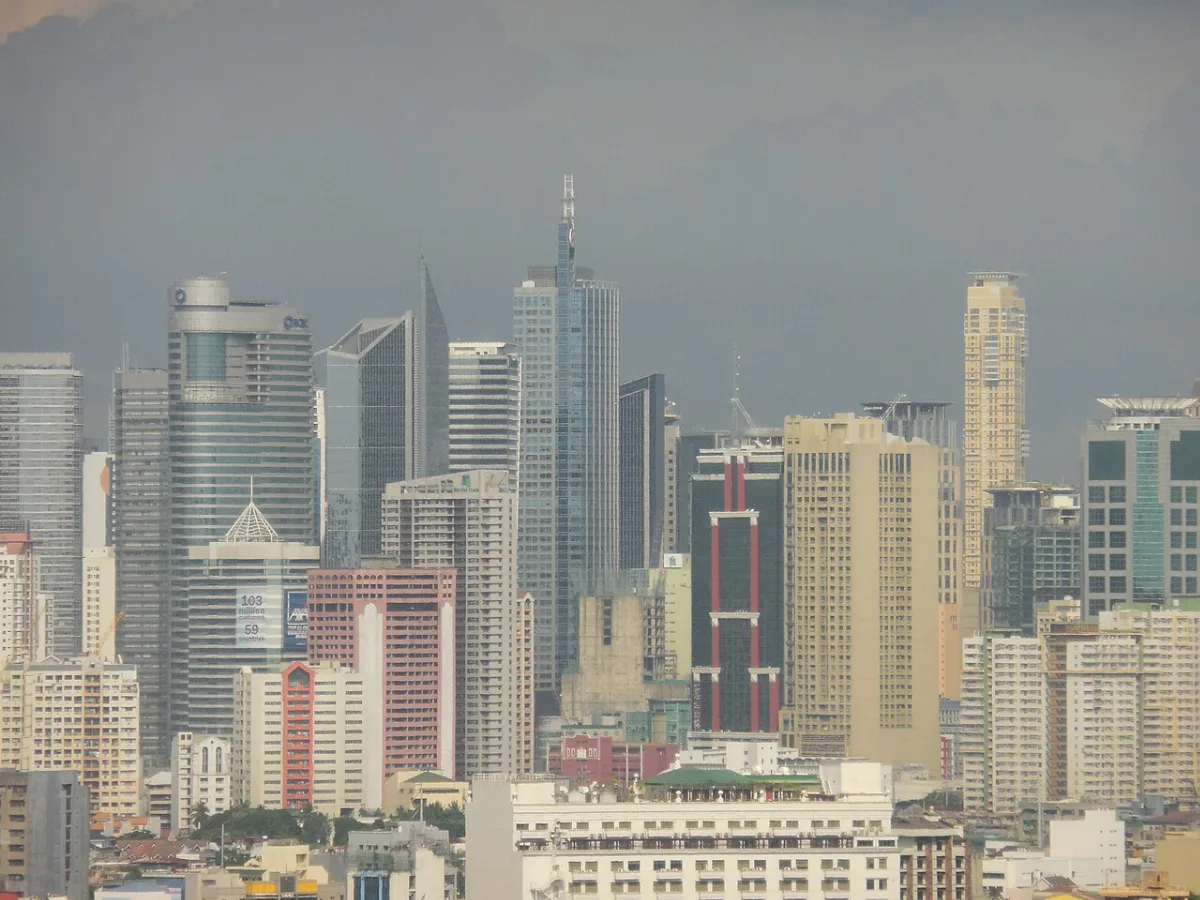
Ask someone from Manila about Friendster and you might get a completely different set of memories, with different songs and different friends, from the same site.
Did you have a Friendster profile?
Yes, plenty of people had a Friendster profile and barely remember it, while others can still recite their best testimonial word for word. Which one are you?
What a profile looked like
A Friendster profile was simple by later standards. There was a main photo, a short About Me, and lists of your favorite books, movies, music and TV shows. Those lists did a lot of work. People read them closely to decide whether someone was worth messaging, and a single shared band could start a whole conversation.
There was also a line for who you wanted to meet. Some people filled it in honestly. Others wrote a joke or left it blank and let their photos do the talking. Updating your favorites after a new album came out felt like telling everyone what was going on in your life, a small habit that carried right over to every profile that came after.
Friendster grew faster than its servers could handle. This video covers what came next. Watch on YouTube
What it got right
Friendster proved that people wanted to see their friends online and wander through each other's lives. It showed that a profile could be a small home of your own, and that a short note from a friend could make your whole week. Many of the things that came after, from comment walls to friend lists, started with what it tried first.
FriendCrib has a lot of that same spirit, plus pages that actually load. You can write friends a comment that shows on their crib, pick a Top 8 and wander from crib to crib all night. If you were a Friendster person, make a crib and bring a few testimonials with you.
If you've been looking for that feeling again, there's an honest answer to whether there's a new MySpace. Or swap Friendster memories in the Throwbacks forum.
Little Friendster details
- Your profile listed who you were looking for, like friends, dating or activity partners
- Later on, you could see who had viewed your profile, which made looking around feel a little risky
- Photos sat in a small gallery, and picking the main one took forever
- The "degrees of separation" number felt like a high score
Your Memories
Nobody has shared one yet. Be the first.
Make a free crib or sign in to add yours.
You Might Also Remember
 Encarta and Oregon Trail on the Family Computer
 Swivel Screens and BBM: The Sidekick and BlackBerry Days
 How to Make a MySpace-Style Profile Today
 Skipping Tracks on a Portable CD Player
 Online Now! and the Last Login Date Everyone Checked
 Thanks for the Add and the Comments That Filled Every Profile
 Back When Everyone Had a Xanga or LiveJournal
 Flying Over Your House in Google Earth
Miss collecting friends the old way? Make your crib on FriendCrib.
Free, 18+ and no algorithm. Pick a profile song, rank your Top 8 and leave your friends comments.
Get Your Crib, It's Free