
















FriendCrib Mag
Bidding Wars and Sniping: eBay in the 2000s
On 2000s eBay, smart buyers waited until the last ten seconds of an auction to bid. Losing by a dollar to someone who sniped better stung for days.
 Written by Claire Donovan · 56k: ~2 min
You lost the auction by one dollar, and you watched it happen. eBay was the online auction site where, in the late 1990s and 2000s, people bought and sold almost anything, from collectibles and clothes to cars and old video games. Pierre Omidyar started it in 1995 under the name AuctionWeb, and it became eBay a couple of years later. The first thing sold was a broken laser pointer that Omidyar listed himself, and it went for $14.83. Sellers listed items, buyers bid against each other until a timer ran out, and the highest bid won. The last minutes of an auction were pure nail-biting, and half the fun was hoping nobody outbid you.
How an auction worked
A seller posted an item with photos, a description and a starting price, plus how long the auction would run, often seven days. Buyers placed bids, and the price climbed as people competed. eBay used proxy bidding, so you could enter the most you were willing to pay and the site would raise your bid automatically, only as much as needed to stay ahead.
When the timer hit zero, the top bidder won. Then came the waiting: paying, hoping the seller shipped it, and checking the mail every day like a person expecting a very slow letter from a pen pal.
What is eBay sniping?
Sniping meant waiting until the last few seconds of an auction and placing your bid right then, so nobody had time to answer it. Smart buyers learned not to bid early, because bidding early just pushed the price up and showed everyone else you were interested. If you timed it right, the other bidders never got a second turn.
Sniping took nerve. You'd sit at the computer with the page open, watching the clock, refreshing and typing your bid with your finger hovering over the button. On a slow connection, a few seconds could cost you the item, and anyone who grew up with dial-up and its screech knows that "a few seconds" was exactly the margin you did not have. Some people even used programs that placed snipe bids automatically, which felt a little like cheating and a little like genius.
Feedback stars
eBay's feedback system let buyers and sellers rate each other after every sale. Positive, neutral or negative, with a short comment. Your feedback score showed next to your name, and as it grew you earned colored stars, starting with yellow and moving up through other colors as the number climbed. A high score made people trust you.
Feedback comments had their own language. "A+++++ seller, fast shipping, would buy again!!!" appeared on countless pages, with the plus signs doing most of the talking. A single negative could cause real stress for a seller.
Buy it now, pay with PayPal
eBay added Buy It Now in 2000, letting sellers set a fixed price so buyers could skip the bidding. In 2002, eBay bought PayPal, which made paying online much easier than mailing a check or money order. Before that, plenty of purchases involved writing a check, mailing it and waiting for the seller to receive it before they shipped. Nobody was in a hurry, because nobody had a choice.
What did people buy and sell on eBay?
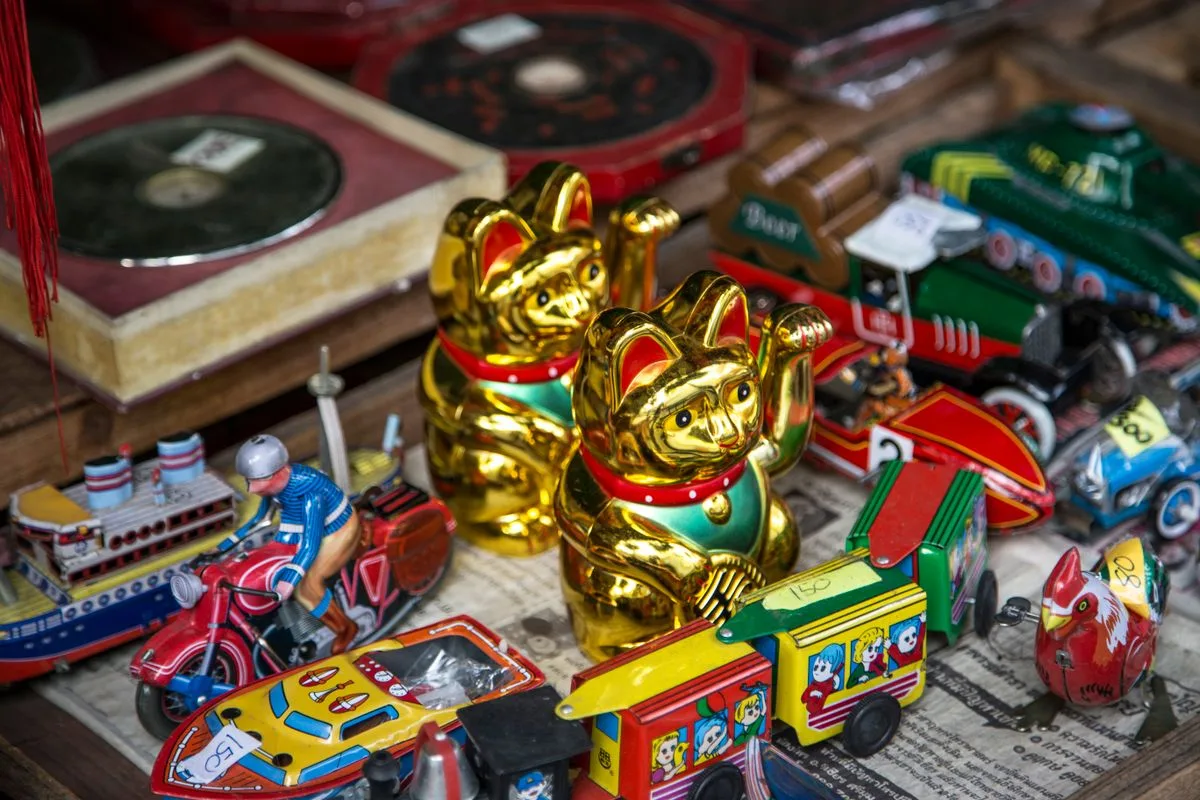
Almost everything showed up on eBay. Beanie Babies and trading cards in the late 1990s. Video games and consoles, especially during holiday shortages. Concert T-shirts, rare CDs, vintage clothes, old computer parts and collectibles of every kind. Weird listings got famous, like strange items people put up for sale just for the joke.
Many people cleared out their closets on eBay. Selling your old stuff and making a bit of money felt like found treasure, and it gave you a reason to check what your junk was worth. Between auctions, a lot of us wandered over to the sites we rushed home, and eBay was usually on the list.
Taking the photos
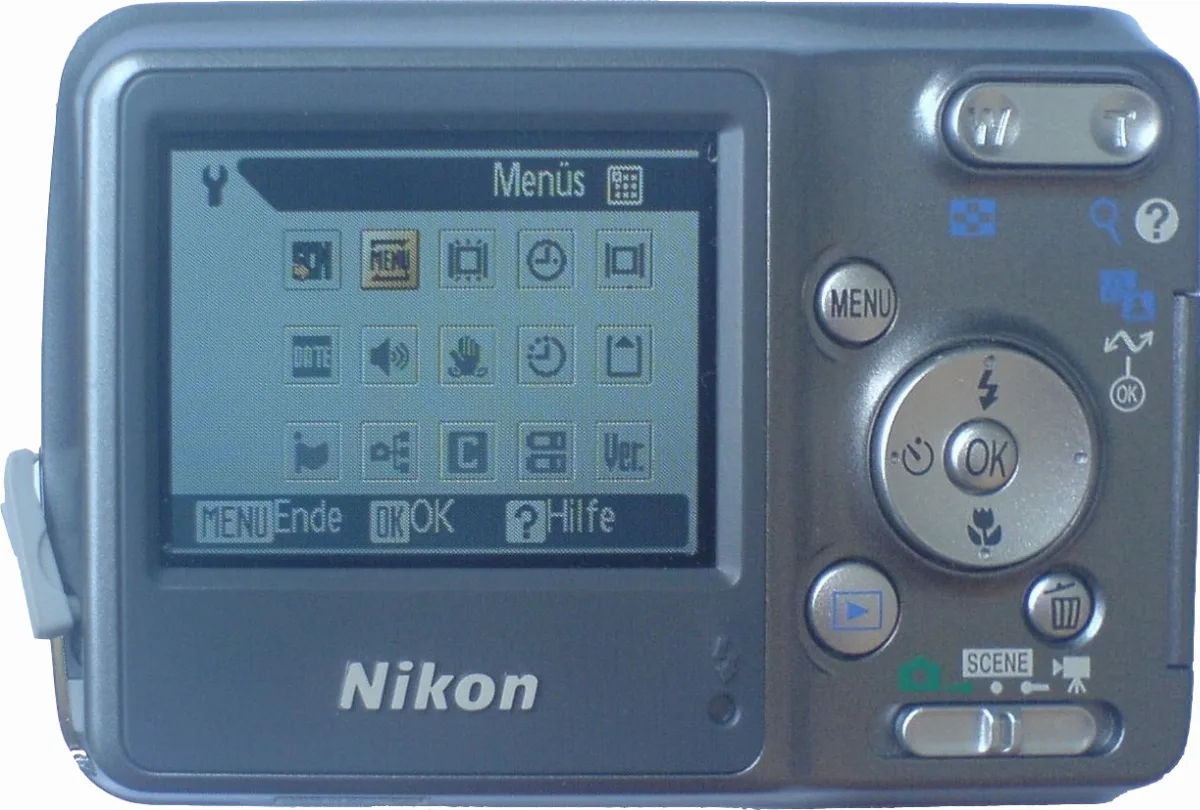
Listing an item meant taking photos, usually with a digital camera that had a flash too bright for the job. People set items on a bedspread or a kitchen counter and snapped away. The pictures had glare, odd shadows and the occasional pet wandering into frame. Good sellers learned to use daylight by a window.
Some sellers uploaded their pictures to Photobucket and linked them in their listings, which is why so many old eBay pages now show broken images.
Shipping and the post office
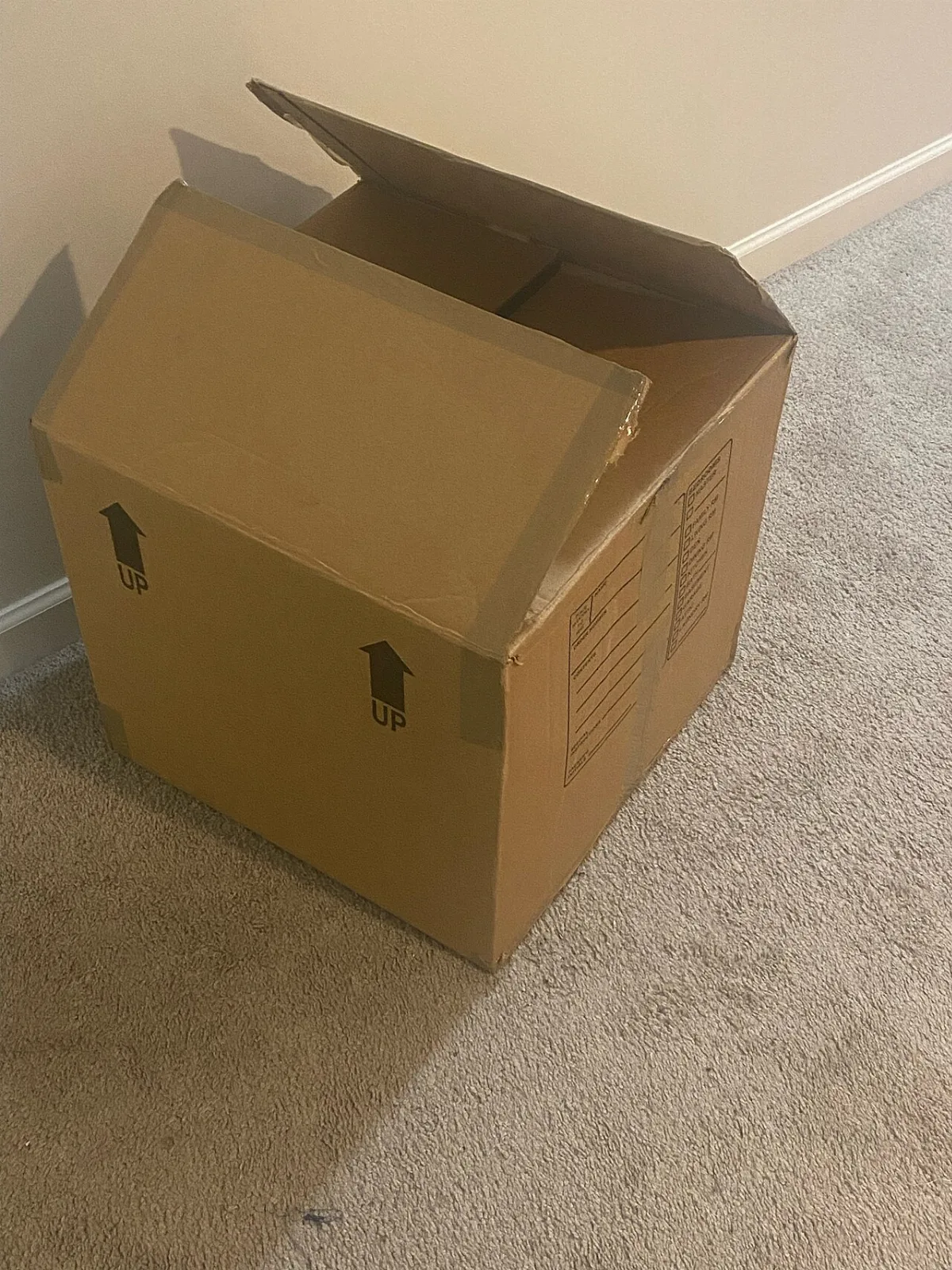
Winning meant shipping, and shipping meant boxes, bubble wrap and a trip to the post office. Sellers reused boxes from other packages and wrote addresses by hand. Tracking numbers were exciting. Packages that took forever led to messages asking, politely at first, where the item was.
Bidding wars
Sometimes two people wanted the same thing badly. The price kept climbing as each one outbid the other, and the auction went far past what the item was worth. Watching a bidding war from the sidelines was entertaining. Being in one was stressful, especially if you lost at the very end.
The watch list made it worse. It let you keep an eye on items without bidding, and people filled theirs with things they couldn't afford, just to see what they'd sell for in the end.
eBay's start as a small auction site and how it grew. Watch on YouTube
Scams and safety
Like anywhere online, eBay had scams. Some listings were fake. Some items never arrived, and others looked nothing like the photos. Buyers learned to check feedback, read descriptions carefully and be suspicious of deals that seemed too good to be true. Sellers had their own worries, like buyers who never paid. Over time, eBay added more protections, which made people feel safer.
Selling as a side gig
Some people turned eBay into a real business, buying things at yard sales and thrift stores and reselling them online. Power Sellers had high ratings and lots of sales. Plenty of others just sold a few things now and then to clear out space or make extra money for something they wanted.
For bigger things like furniture, people skipped the shipping and went local on Craigslist instead.
Small eBay rituals
- The eBay logo in red, blue, yellow and green letters
- Checking "My eBay" to see the items you were watching
- The relief of winning an item for less than you planned to pay
- The heartbreak of losing an item by a single dollar at the last second
- Leaving feedback and waiting for the other person to leave theirs back
Is eBay still around?
eBay is still around and still huge, though more of it now is fixed-price shopping than auctions. Many people still remember the rush of their first winning bid.
Show off your finds
On FriendCrib you can post pics of your collection, list what you're into and find other people who collect the same things. Start your crib and share the best thing you ever won in an auction.
Your Memories
Nobody has shared one yet. Be the first.
Make a free crib or sign in to add yours.
You Might Also Remember
 Glitter Graphics and Sparkly Everything
 What Happened to Hot or Not?
 16 Things Everyone Had on Their Profile in 2006
 Encarta and Oregon Trail on the Family Computer
 Nobody Knew What a Facebook Poke Meant
 Is There a New MySpace?
 It's Complicated: Changing Your Facebook Relationship Status
 Wikipedia's Early Days and the Teacher Who Said Don't Use It
Show off your collection on FriendCrib. Make your crib.
Free, 18+ and no algorithm. Pick a profile song, rank your Top 8 and leave your friends comments.
Get Your Crib, It's Free