
















FriendCrib Mag
The Digital Camera Photos We Refused to Delete
Old point-and-shoot digital camera photos came with orange date stamps and red eyes. We took 200 of the same party and kept every single one.
 Written by Natalie Brooks · 56k: ~1 min
In the summer of 2006, somebody at the party held up a point-and-shoot camera, the flash went off, and you got a blurry, overexposed photo with red eyes and the date stamped in orange numbers in the corner. Digital camera photos from the 2000s looked like that, and almost nobody deleted them. Before every phone had a good camera, people carried small point-and-shoot cameras to parties and sleepovers (and the occasional concert). Plenty of us still have a folder of those pictures on some hard drive we're scared to throw out.
The camera itself
Before it came along, most party photos came from a disposable camera you couldn't check until the prints came back. The digital one lived in a little case with a wrist strap. It ran on AA batteries that died at the worst moment, or a rechargeable battery you were supposed to charge the night before, which nobody remembered to do. The tiny screen on the back made every photo look better than it was.

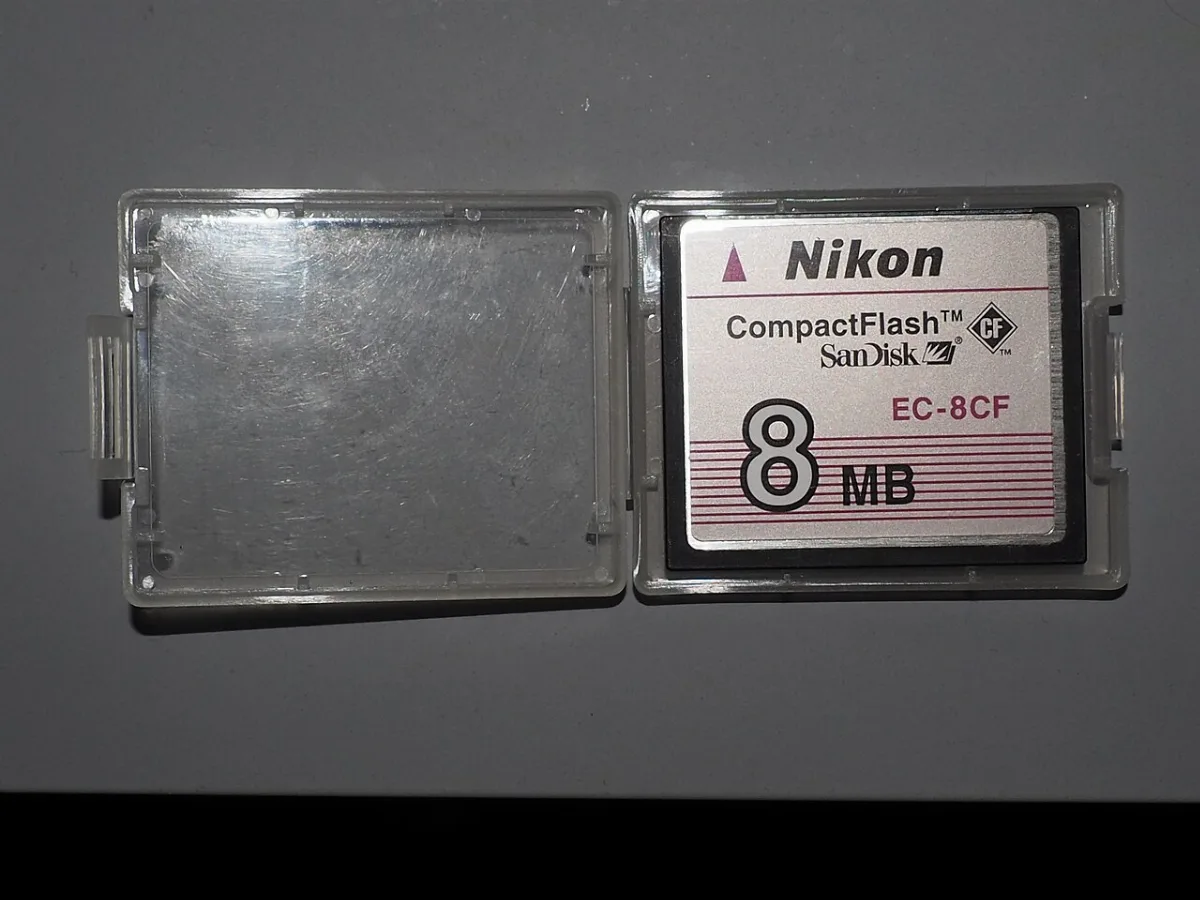
The memory card held a few hundred pictures if you were lucky. When it filled up, you deleted the worst ones right there at the party, squinting at that tiny screen, and accidentally deleted a good one every time.
What made a 2000s digital photo look like that?
A 2000s digital photo looked like that mostly because of the flash. Everything near to the camera glowed white and everything behind it disappeared into black, and you could spot one of these photos from across a room.
- Red eyes made everyone look slightly possessed. The camera had a red-eye fix button, and nobody used it.
- The orange date stamp sat in the bottom corner, sometimes with the wrong year because nobody set the clock.
- Low light plus a slow shutter turned every action shot into a ghost photo.
- The arm-stretched-out angle pointed the camera back at you and two friends, with half of someone's face cut off.
Getting them off the camera
Getting photos off the camera was an event. You found the cable, plugged it into the family computer, waited for a window to pop up, and dragged a hundred pictures into a folder named something like "PARTY 2!!!" or "new folder (3)."
Then you picked the best ones, which took longer than the party, and posted them online. To get them onto a profile, a lot of people uploaded them to Photobucket first and pasted in the code.
Posting the album
Posting an album was a big deal. You'd name it something dramatic like "best night EVER" or "summer 06 :)" and upload fifty photos at once. A big batch the day after an event was basically a public record of who was there. Friends clicked through every single one and left comments as they went, and some photos collected long conversations underneath them that had nothing to do with the photo.
Your profile picture came out of these albums, chosen with great care. It had to be flattering without looking like you tried, and it was usually taken from above, in the classic MySpace angle.
Before tagging made it easy, you just told people the photos were up. Friends left comments like "omg delete this one" and "why do I look like that," and you left it up anyway, mostly so they'd keep complaining. Real tagging came later, when Facebook let friends label you in every party photo.
When the phones got cameras
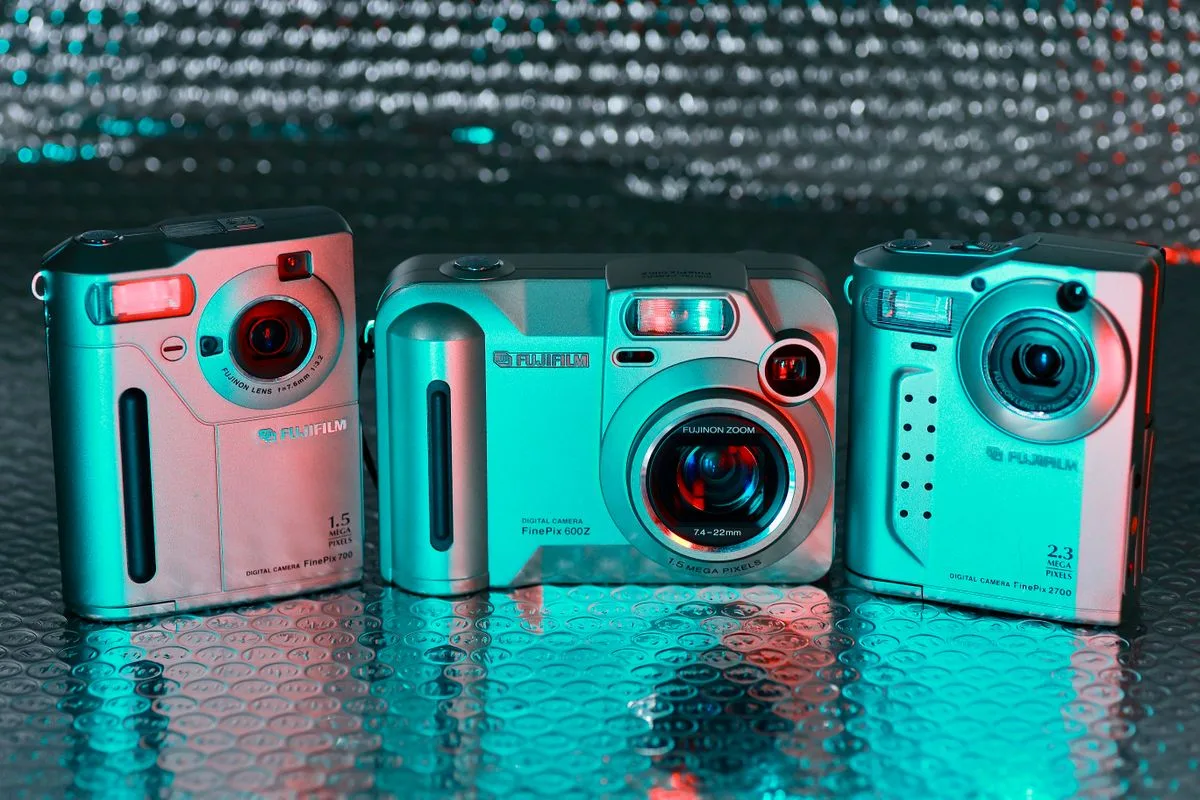
Early camera phones took tiny, grainy pictures that looked worse than a cheap digital camera, and people used them anyway, because the phone was always in your pocket. If you carried a Sidekick or a BlackBerry, as in the swivel-screen days, you remember the thumbnail-sized results. Slowly they got better, and the point-and-shoot went into a drawer. Now a lot of people are digging those cameras back out, because the flash and the blur feel more honest than a perfect phone photo.
Why old point-and-shoot digital cameras are popular again. Watch on YouTube
Some people still printed their favorites. You put the memory card in a kiosk at the drugstore, picked your photos on a touch screen, and came back an hour later for a stack of glossy prints. Those went on bedroom walls, into lockers and into shoeboxes that still exist somewhere.
Why did we keep so many bad photos?
We kept so many bad photos because they caught real moments, and a blurry one still beat having nothing. Think of the friend mid-laugh, the 2am diner trip with the messy kitchen still behind you in the next shot. Nobody was posing for an audience. You were just there, and someone happened to have the camera.
Back then, if it wasn't on camera, it might as well not have happened. That's why every hangout had someone designated as "the one with the camera," who took hundreds of pictures, uploaded them all and became the unofficial historian of the friend group. If you were that person, thank you. If you weren't, you probably owe them.
Scrolling through the folder now, you find people you haven't thought about in years, wearing shirts you definitely don't own anymore. The funny part is how many moments never got photographed at all, because the camera was dead or left at home. Those live only in memory, which might be why the ones that did get captured feel so special.
Where did all those photos go?
Plenty of those photos went missing along with whatever held them: a family computer that got replaced, a memory card that got lost, or a website that shut down. Some people burned them to CDs that can no longer be read. Others still have a dusty external drive in a closet, full of folders named after parties.
If you have a stash like that, back it up somewhere safe. Those blurry pictures turn into some of the most precious things you own.
Give them a home
If you have old photos you love, FriendCrib is a good place to put a few. Upload them to your crib's pics, write a caption, and let friends leave comments. Every upload is saved as a fast WebP, and you choose who can see your pics: everyone, friends only or just you.
Your best one might even earn a spot next to your Top 8. All you need is a crib. Red eyes optional.
Your Memories
Nobody has shared one yet. Be the first.
Make a free crib or sign in to add yours.
You Might Also Remember
 It's Complicated: Changing Your Facebook Relationship Status
 Writing in Graffiti on a Palm Pilot
 A Thousand Songs in Your Pocket: The First iPod
 Pausing Live TV With a TiVo
 Minesweeper and Solitaire on the Office Computer
 What Happened to Digg?
 Rock Band and the Plastic Drum Kit
 The Nextel Chirp and Walkie-Talkie Phones
Give your old photos a home. Upload them to your crib on FriendCrib.
Free, 18+ and no algorithm. Pick a profile song, rank your Top 8 and leave your friends comments.
Get Your Crib, It's Free