















FriendCrib Mag
A Thousand Songs in Your Pocket: The First iPod
Apple's first iPod put 1,000 songs in your pocket in 2001. Sync it with the wrong computer and iTunes could wipe the whole library.
 Written by Natalie Brooks · 56k: ~1 min
The first time you spun an iPod's wheel and heard that tiny click, a CD binder with 200 discs suddenly looked like something your parents would own.
The iPod was Apple's portable music player, first announced in October 2001 with the promise of 1,000 songs in your pocket. It worked with iTunes on your computer, had a simple wheel for scrolling and came with white earbuds that quickly became a sign that you had one. For much of the 2000s, it was how lots of people carried their music. Apple stopped selling the last iPod model in 2022.
The first one
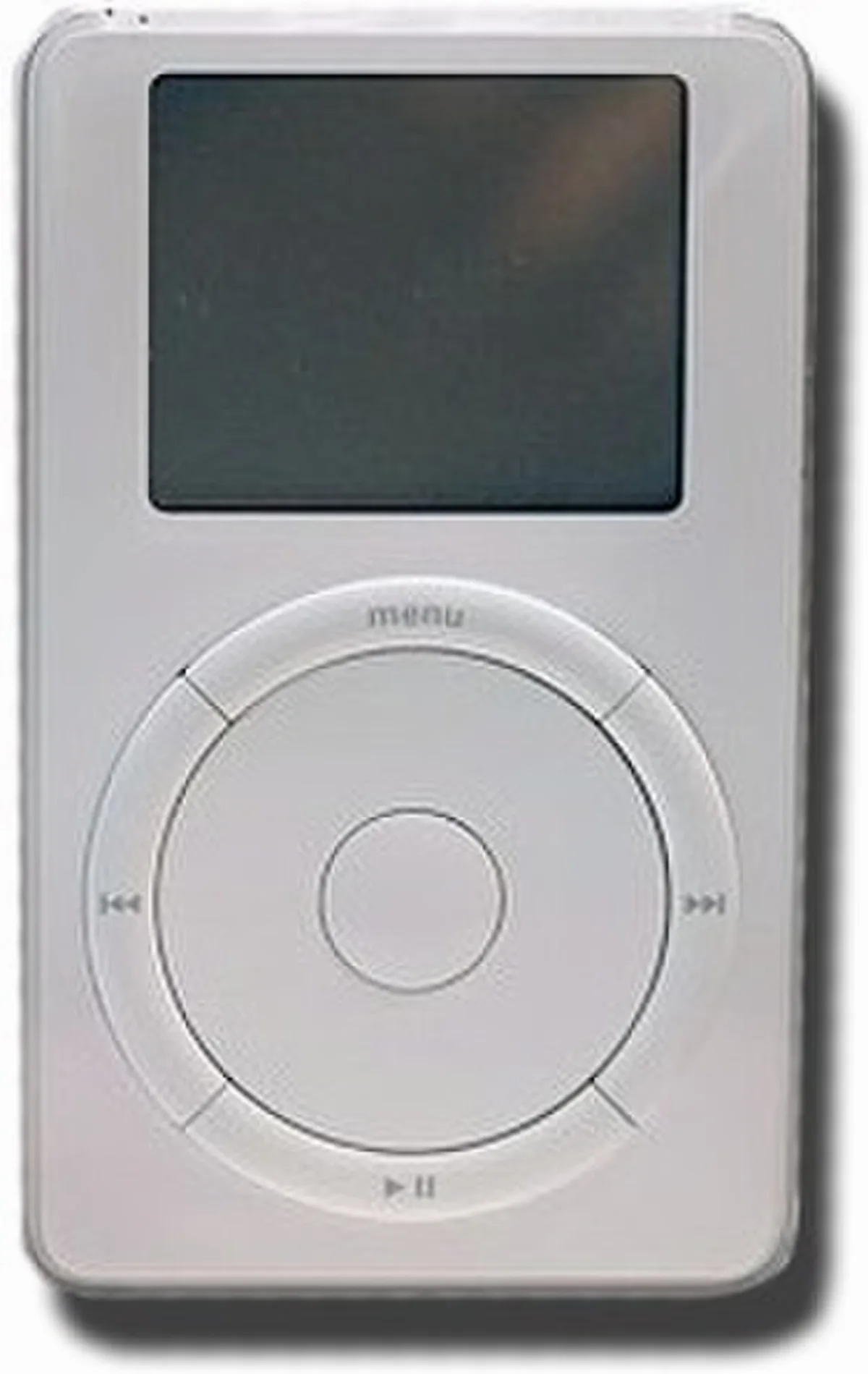
The original iPod had a 5 GB hard drive, a small black and white screen and a wheel that physically turned. It worked only with Macs at first and cost 399 dollars, which was a lot for a music player. Lots of people thought it would stay a niche gadget. Then Windows support arrived and new models kept coming.
The click wheel
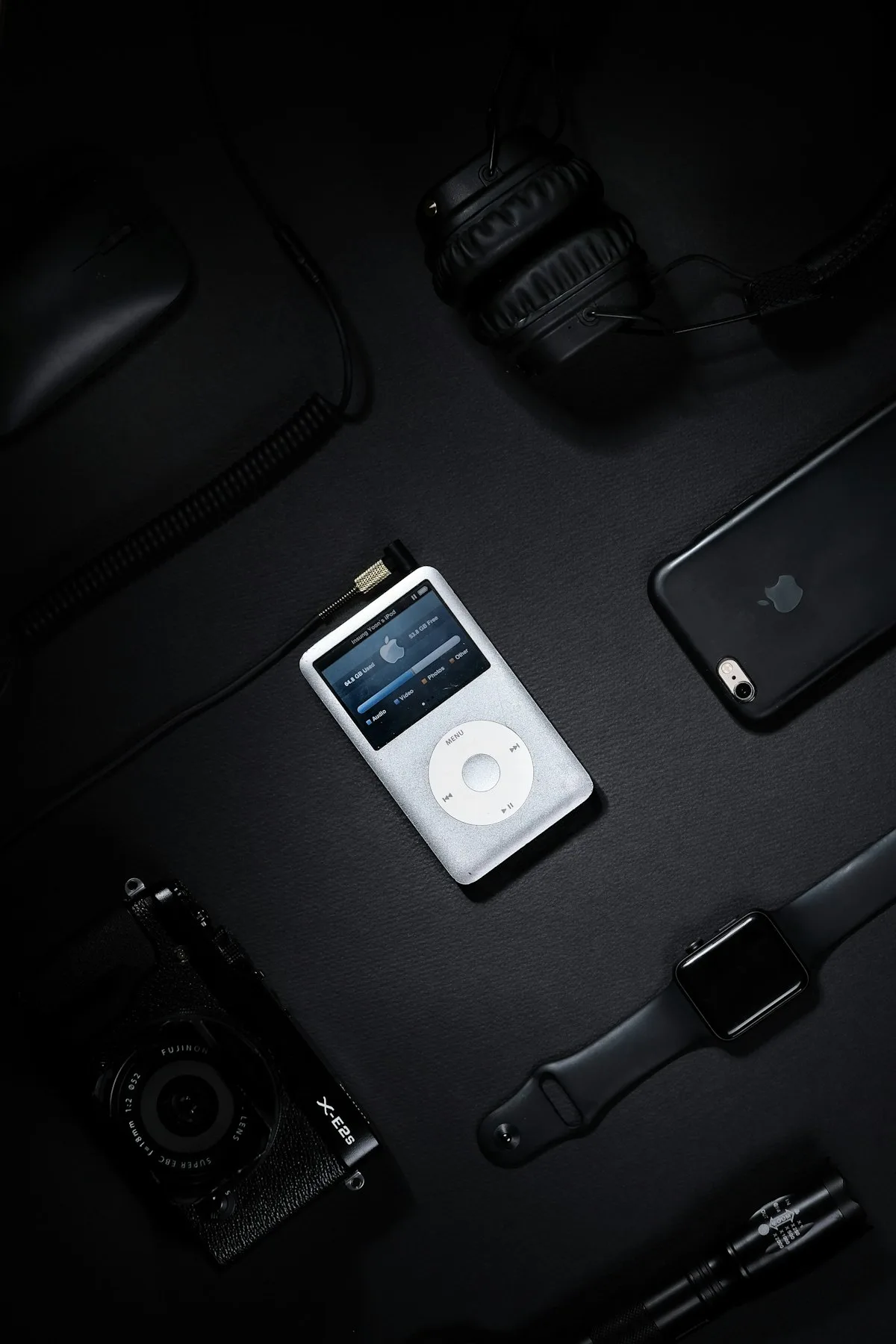
Later iPods replaced the moving wheel with the click wheel, a flat touch ring with buttons built in. You slid your thumb in a circle to scroll and pressed the edges for menu, play, back and forward. It made a tiny clicking sound through the speaker as you scrolled. Scrolling through a library of thousands of songs with your thumb became a little skill everyone had.
White earbuds
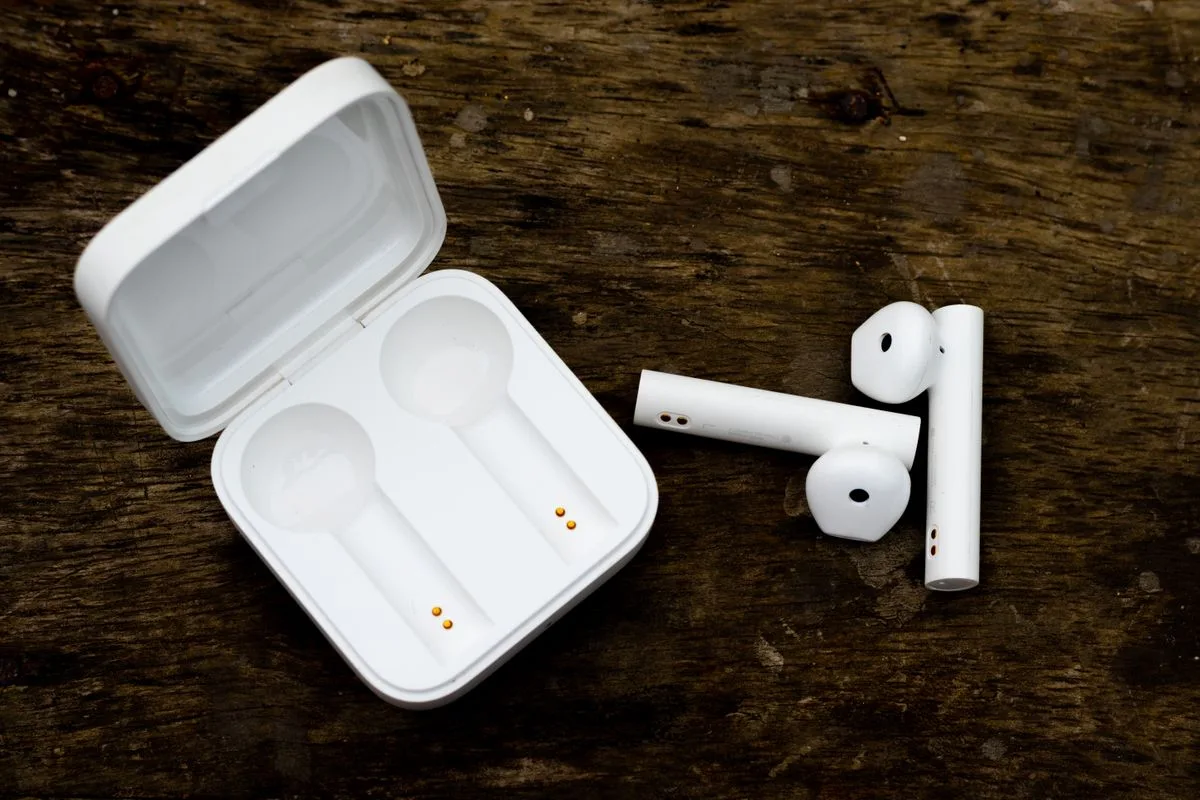
Before the iPod, most headphones were black. Apple's were white, and its ads showed dancing silhouettes with bright white cords against bold colored backgrounds. Seeing white earbuds on the bus or at school meant someone had an iPod, and for a while that was a real status symbol.
People who couldn't afford an iPod sometimes bought white earbuds anyway. Nobody needed to know what was at the other end of the cord.
iTunes and the 99 cent song
The iTunes Music Store opened in April 2003 and sold songs for 99 cents each. For a lot of people, buying songs on iTunes was the first time buying one song instead of a whole album felt normal. It also changed the way people built their libraries, one single at a time.
Most iPods were also full of music from CDs people had ripped and songs from file-sharing programs. The iPod didn't care where the songs came from, and that was part of why it took off. Before it, those same CDs went everywhere in a portable CD player, one disc at a time.
Syncing panic
The iPod synced with one computer's iTunes library. If you plugged it into a different computer, iTunes might offer to erase it and replace everything with that computer's music. One wrong click could wipe out months of songs. Everyone knew someone who lost their whole library this way, and many people learned to read every pop-up very carefully.
The on-the-go playlist
Before playlists on phones, the iPod had a special one you could build right on the device. You held the center button on a song and it went into the on-the-go list. It was perfect for a road trip or a bus ride, and it disappeared if you weren't careful.
Shuffle and its secrets
Shuffle mode felt like a radio that knew you. It also seemed to play the same three songs again and again, which made people swear it had favorites. The iPod shuffle, a tiny model with no screen at all, came out in 2005 and leaned into randomness. You didn't choose the song. The song chose you.
The family of models
| Model | Year | Known for |
|---|---|---|
| iPod | 2001 | 1,000 songs in your pocket |
| iPod mini | 2004 | Small and colorful, the first click wheel |
| iPod shuffle | 2005 | No screen at all |
| iPod nano | 2005 | Super thin, replaced the mini |
| iPod with video | 2005 | Music videos and TV shows |
The little extras
iPods had a hold switch on top that locked the buttons, so your music wouldn't skip when it bumped around in your pocket. Forgetting it was on led to a lot of panicked button pressing, followed by the slow realization that nothing was broken.
You could name your iPod in iTunes, and people did. "Sarah's iPod" was common. So were names like "the jukebox" and "DO NOT TOUCH." The name showed up whenever you plugged it in, which made it feel a little more like yours.
There were games, too. Brick was a simple block-breaking game hidden on early models, and later iPods added Music Quiz, which played a clip of a song from your own library and asked you to guess it. Naming songs you owned turned out to be surprisingly hard.
The first iPod up close, plus the models Apple made after it. Watch on YouTube
Covers, cases and scratches
The iPod's shiny metal back scratched if you looked at it wrong. People bought clear cases, silicone skins in every color and stickers to protect it. Some went with an armband for the gym. A scratched iPod in a bright pink rubber case was the look of a lot of high school hallways.
Sharing one earbud
One of the most common sights of the era was two friends sharing a pair of earbuds, one each, heads tilted together on a bus seat or a cafeteria bench. Handing someone your other earbud meant you trusted them with your music. Choosing what to play next with someone listening became its own kind of pressure.
The music you chose
The iPod made your music library feel personal. You built it song by song, organized it your way and carried it everywhere. Picking what to listen to on the way to school was a daily decision, a lot like choosing a profile song people would hear when they visited your page.
On FriendCrib you can put a song at the top of your crib and list your five songs on repeat in My Week in Songs. If your old iPod is still in a drawer, make a crib and share what was on it.
When did Apple stop making iPods?
Apple stopped selling its last iPod, the iPod touch, in 2022. The iPhone arrived in 2007 and could play music too, and soon most people didn't need a separate player. Apple kept making iPods for years, but the iPod classic ended in 2014 and the iPod touch ended in 2022. Some people still keep an old one in a drawer, battery long dead, full of songs they haven't heard since. Microsoft tried to compete with the Zune in 2006, but it never got close.
Your Memories
Nobody has shared one yet. Be the first.
Make a free crib or sign in to add yours.
You Might Also Remember
 What Happened to StumbleUpon?
 Under Construction Signs and Personal Homepages
 Swivel Screens and BBM: The Sidekick and BlackBerry Days
 The Winamp Skin You Picked Said a Lot About You
 Writing on Someone's Facebook Wall Before Timeline
 How Did T9 Texting Work on Old Flip Phones?
 What Happened to Hot or Not?
 The Nextel Chirp and Walkie-Talkie Phones
Bring your music back to your profile. Make your crib on FriendCrib.
Free, 18+ and no algorithm. Pick a profile song, rank your Top 8 and leave your friends comments.
Get Your Crib, It's Free