FriendCrib Mag
How Did T9 Texting Work on Old Flip Phones?
T9 texting let you type a word by pressing each key once and letting the phone guess. It guessed wrong just often enough to send a few strange texts.
 Written by Daniel Rivera · 56k: ~1 min
T9 texting let you type a word by pressing each number key once and letting the phone guess which word you meant. That made it the fast way to text on a mid-2000s flip phone, right up until the phone guessed wrong. The same phones were also where many of us paid real money for ringtones, and they did so few other things that people got very attached to them.

Snapping it shut
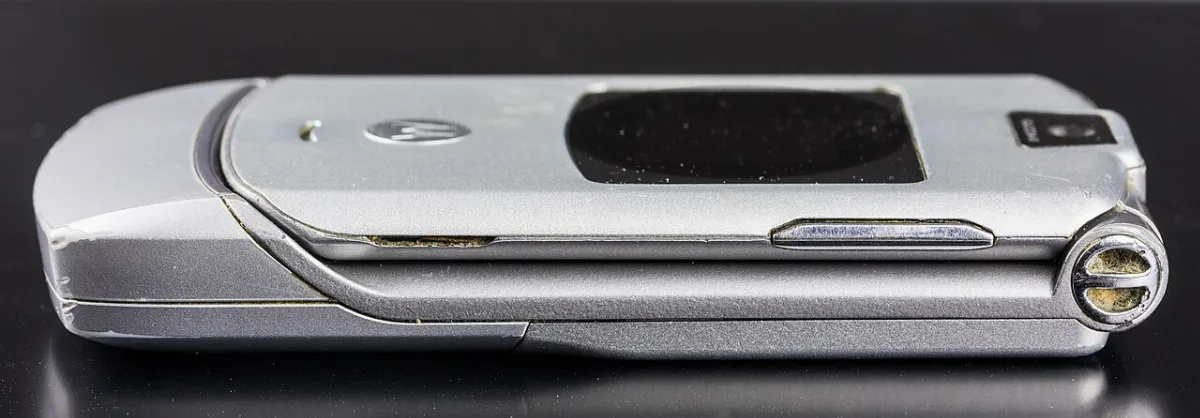
Nothing has replaced the feeling of hanging up a flip phone. You closed it with a snap and the conversation was over, which made every exit a little dramatic, especially mid-argument.
Flip phones folded small enough to fit anywhere, so they fell out of every pocket, and each one had a scratched screen and a slightly loose hinge by the end of its life. Nextel flips had an extra trick, a walkie-talkie button on the side.
How did T9 texting work?
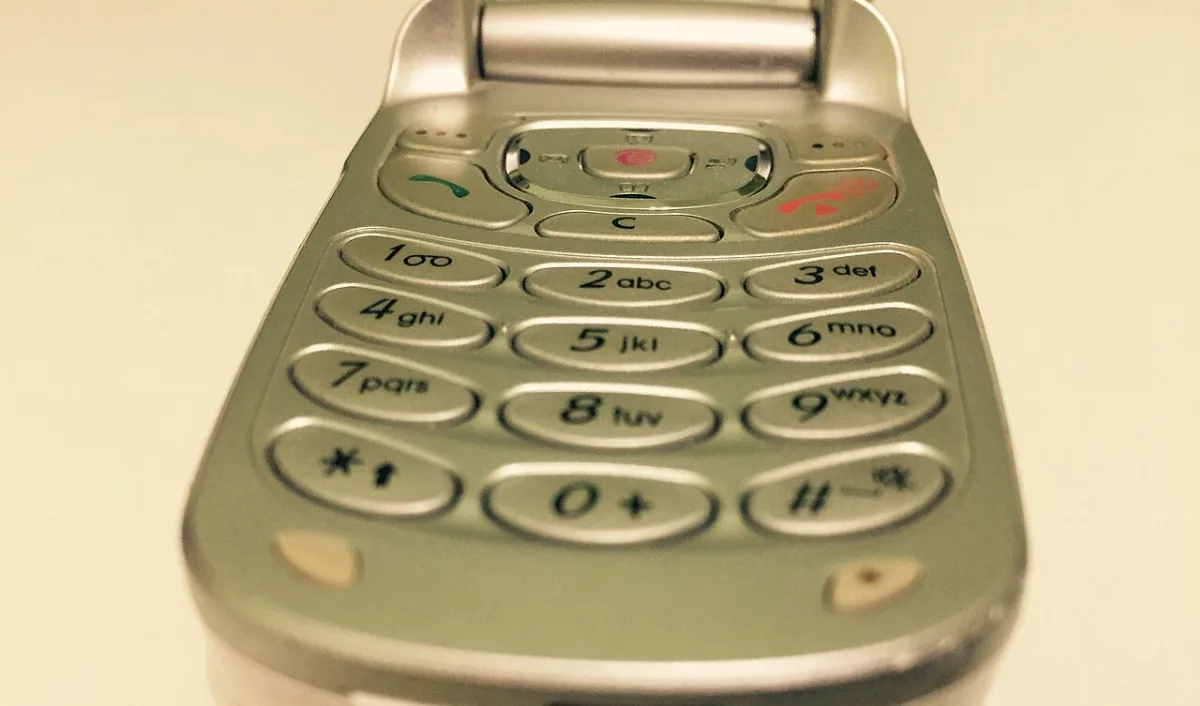
T9 worked by guessing your word from one press per key, while the older multi-tap method made you press a key several times for each letter. Each number key held three or four letters:
- Multi-tap: press 7 four times to get an "s," press 2 once for "a." Slow, but you always got the letter you wanted.
- T9: press each key once and let the phone guess the word. Fast, until it guessed wrong. Typing "home" could turn into "good," and "kiss" could come out as "lips."
People got fast enough to text under a desk without looking, a skill most of us have lost. Those same desks hid a lot of Snake on the Nokia 3310.
The keypad is a small thing to remember until you see one again. The letters printed under the numbers were tiny, and your thumb knew where they were anyway.
Every letter counted
Texts had a character limit, and many plans charged per message, so people shortened everything. "You" became "u." "Tonight" became "2nite." "Talk to you later" became "ttyl." Vowels were optional and punctuation was a luxury.
If you ran out of texts for the month, you were cut off until the bill reset. Parents read phone bills line by line.
Paying for ringtones
People paid to download ringtones, often a couple of dollars each, so that their phone could play a tinny version of a favorite song when someone called. Some phones could only play beeps arranged into a melody. Later ones played real song clips.
Your ringtone worked a lot like your profile song. It said something about you, and everyone around you heard it, usually at the worst possible time, like the middle of a quiet classroom.
People also set different ringtones for different people, so you knew who was calling before you looked. A special ringtone for your crush was a whole thing.
Free after 9pm
Calling had rules too. Calls were free after 9pm and on weekends on a lot of plans, so long conversations waited until night. Some plans let you talk free to a few chosen numbers, which meant picking your favorite people, a little like a Top 8 for your phone.
And everyone knew the trick of calling and hanging up after one ring, which meant "call me back" or "I'm outside" without spending any minutes.
Sliders and keyboard phones
Not everyone had a flip phone. Sliders hid the keypad under the screen. Phones with full keyboards made texting much faster and became their own status symbol. People who had one would tell you about it, a lot.
The ones who texted the most skipped the number pad entirely for a Sidekick or a BlackBerry. Compared to those, a flip phone was a modest little machine, though it had the better exit.
Wallpapers and face plates
Phone wallpapers were tiny and pixelated, and you changed them constantly. Maybe a band logo this week and a glittery heart the next. Some people downloaded them. Others took a photo with the camera phone and set it as the background, then squinted at it for a year.
A phone was also a fashion item. People added face plates in bright colors, glittery stickers, and little charms that dangled from a strap and clicked against everything. Some covered their phones in rhinestones by hand. Others bought cases shaped like animals. It was the same impulse as decorating a profile: you couldn't change much about how the phone worked, so you changed how it looked.
The contact list
Phones could only hold so many contacts, and you typed every one in by hand. Your contact list was a map of your life: best friends, family, a pizza place, three people saved only as initials, and at least one number labeled "DO NOT ANSWER."
Losing a phone meant losing every number in it. People kept backup copies on paper, or asked everyone for their number again in a group bulletin.
Snake, and not much else
Most phones came with a couple of simple games, like the classic snake game where a line of pixels grows longer every time it eats a dot. People played it in waiting rooms, on buses and under desks, chasing high scores they would brag about at lunch, and honestly that was plenty.
Chargers and low battery
Phone batteries lasted days, which sounds great now. But chargers were all different, so if you forgot yours at a friend's house, you were stuck. Every friend group had one person with the right charger, and that person was very popular.
A look back at the Motorola Razr and how flip phones changed. Watch on YouTube
Phones couldn't give directions yet either, which is why so many glove boxes held a stack of MapQuest printouts. Your music lived on a separate device, usually an iPod, until phones could finally hold it too.
What we lost when phones got smart
Smartphones are better in almost every way, but they also made it impossible to be unreachable. A flip phone did a few things and then sat in your pocket until someone called. There was no feed to scroll, so once you snapped it shut, you went back to whatever you were doing.
Ask someone about their first phone and they will give you the color, the sound it made when it opened and where the scratch was.
Your crib on your phone
FriendCrib is built to work well on a modern phone, even though it looks like 2006. Pages are fast, the text boxes don't zoom in when you tap them, and there's a Share button that opens your phone's own share menu. You can update your status, answer the Question of the Day and check your comments from anywhere.
Signing up takes a minute on any phone. No T9 required, although we kind of miss it.
You Might Also Remember
 Guitar Hero and the Song Nobody Could Beat
 The Emo Songs on Every Profile
 Skipping Tracks on a Portable CD Player
 The Microsoft Zune Came in Brown
 Tamagotchi and the Keychain Pets That Needed You at School
 Yahoo! Answers: Where We Asked the Internet Everything
 16 Things Everyone Had on Their Profile in 2006
 Picking a Profile Song Was a Big Deal
Your crib works great on a phone today. Make yours on FriendCrib.
Free, 18+ and no algorithm. Pick a profile song, rank your Top 8 and leave your friends comments.
Get Your Crib, It's Free