
















FriendCrib Mag
Guitar Hero and the Song Nobody Could Beat
Guitar Hero turned a plastic guitar with five colored buttons into a whole party. Then Guitar Hero III added a bonus song almost nobody could finish.
 Written by Natalie Brooks · 56k: ~1 min
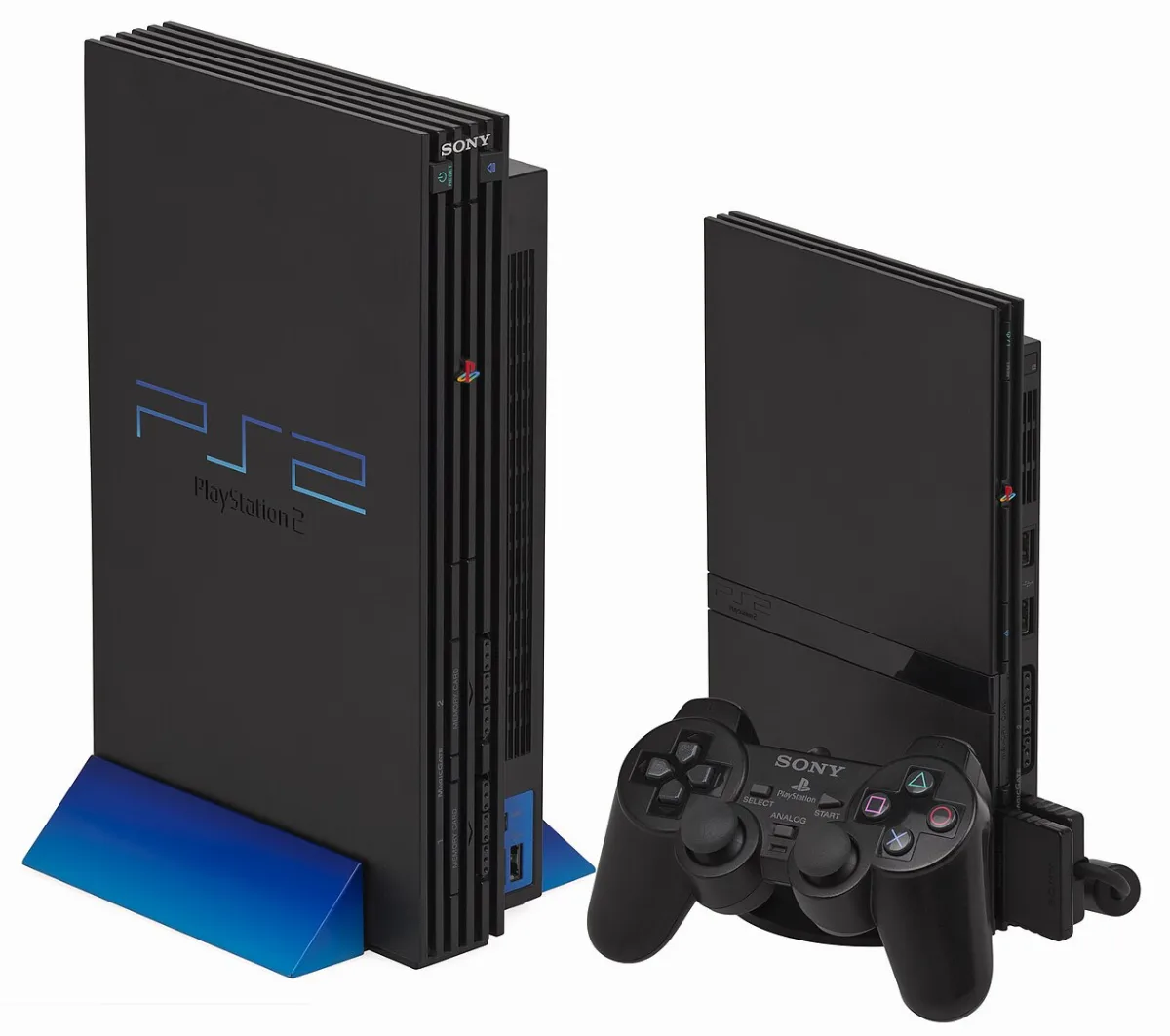
That click-clack coming through the wall at midnight was somebody failing a song on Guitar Hero, a music video game where you played rock songs on a small plastic guitar with five colored buttons and a strum bar. The first game came out in 2005 for the PlayStation 2, and the series exploded over the next few years, with sequels and a rival called Rock Band. Friends crowded around the TV for hours. Getting through a hard song on Expert felt like a real achievement. The craze faded around 2010, but the click of a plastic guitar is still one of the most familiar noises of the decade.
How did Guitar Hero work?
Guitar Hero worked like a rhythm game: colored notes scrolled down a highway on the screen, and you held the matching fret buttons while flicking the strum bar in time. Hit the notes and the song sounded great. Miss them and the guitar part dropped out, the crowd started booing, and eventually you failed the song. A meter showed how well you were doing, and your rock star on stage acted out your success or your collapse.
Difficulty went from Easy, with just three buttons, up through Medium and Hard to Expert. Moving your hand up to the orange button for the first time was a big step. If you had played Dance Dance Revolution, the idea of hitting notes on time already made sense.

Star Power
Certain sections of a song had glowing notes. Hit all of them and you built up Star Power, which you unleashed by tilting the guitar up into the air. Your score multiplied, the crowd went wild and you looked ridiculous in the best way. Timing your Star Power for the hardest part of a song was a real strategy, and doing the tilt with style was optional but strongly encouraged. Rock Band later called it Overdrive and let the whole band share it.
The whammy bar and the solos
The guitar had a little whammy bar you could push to bend held notes, which earned extra Star Power and made you feel like a pro. Solos sped up the notes and tested how fast your fingers could move. Hammer-ons and pull-offs let you play fast runs without strumming every note, if you could figure out the timing.
Everybody had a style. One friend held the guitar like a real one. Another sat on the couch with it flat on their lap. The brave ones stood on the coffee table, which parents did not love.
The sequels and the songs
Guitar Hero II came out in 2006, and Guitar Hero III: Legends of Rock followed in 2007, bringing wireless guitars and an even bigger set list. Then came band-focused editions and World Tour, which added drums and a microphone. Many people discovered classic rock bands through these games, then went and found the full albums afterward, the same way earlier fans found bands through profile songs.
Guitar Hero III included "Through the Fire and Flames" by DragonForce as a bonus song, and it became famous for being almost impossible. Players practiced it for weeks, and videos of people beating it on Expert spread everywhere.
How Guitar Hero and Rock Band took over living rooms, then faded. Watch on YouTube
Rock Band and the full band
Rock Band came out in 2007 from Harmonix, the studio behind the first Guitar Hero games. It added drums and singing so four friends could play as a band. Living rooms filled with plastic instruments, and parties turned into concerts. Somebody always wanted to be the singer and somebody always ended up stuck on bass.
Guitar Hero parties
These games were made for groups. You took turns and argued about which song to play next. Battle mode let two players compete with attacks that messed up the other player's guitar. Co-op mode had one person on lead and one on bass, and a lot of friendships were tested by a missed note in the middle of a hard solo. Some of those nights started with a game rental from Blockbuster.

Sounds and sore fingers
- The click-clack of the strum bar, loud enough to hear through walls
- Guitar controllers with broken strum bars from too much playing
- Calibrating the game so the notes lined up with the sound on your TV
- Creating a rock star character and dressing them in something wild
- Your fingers aching after a long night on Expert
Career mode
Career mode moved you through a series of venues, from small clubs to giant arenas, each with a set of songs to beat. Finishing a set unlocked the next stage and new songs. Earning money let you buy new guitars and outfits, plus bonus tracks. Climbing from a tiny bar to a huge stadium gave the whole thing a sense of progress, and getting stuck on one song for days came with the territory.
The final songs in each game were famously hard. Beating the last song on Hard felt like graduating. Beating it on Expert felt like becoming a legend in your friend group.
Which difficulty did you play on?
Real guitar players
People who actually played guitar had mixed feelings. A real player might find the game easy at first, then humbling, because the buttons didn't work like real strings. Others treated it as a fun way to enjoy songs they already knew. A few non-musicians picked up a real guitar afterward, inspired by hours of plastic practice, and some of them stuck with it.
The controllers
Over the years there were many guitar controllers, from the small first one to wireless models shaped like famous guitars. Heavy use took its toll, especially on the strum bar, which could stop clicking or start double-strumming. Fans swapped tips on fixing them, and having a controller that "just felt right" mattered a lot. It shared the living room with the Wii, which got parents playing too.
What happened to Guitar Hero?
Guitar Hero faded because there were too many games and too many plastic instruments. By around 2009 the stores were full of sequels, and people's closets were already full of guitars and drum kits, so interest dropped fast. The series went quiet in 2011 and came back in 2015 with a new version that changed the guitar, though it never reached the old heights.
Many people still have a plastic guitar somewhere in a closet, waiting for one more round of their favorite song.
Your song, front and center
On FriendCrib, the song you love most can sit at the top of your crib as your profile song, and visitors press play to hear it. Sign up and pick the track you could play on Expert, or at least wish you could.
Your Memories
Nobody has shared one yet. Be the first.
Make a free crib or sign in to add yours.
You Might Also Remember




Show off your favorite band on your crib. Make one on FriendCrib.
Free, 18+ and no algorithm. Pick a profile song, rank your Top 8 and leave your friends comments.
Get Your Crib, It's Free