FriendCrib Mag
ICQ and the Uh-Oh Sound
ICQ was one of the first instant messengers, launched in 1996 with a number for every user and a famous uh-oh sound. It finally shut down in 2024.
 Written by Natalie Brooks · 56k: ~1 min
What was the ICQ "uh-oh!" that came out of your speakers in the late 1990s? It was the sound of ICQ, one of the first instant messaging programs, made by a small Israeli company called Mirabilis and released on November 15, 1996. Everyone got a number instead of a screen name, and every new message announced itself with that sound, which anyone who was online back then can still hear.
AOL bought it in 1998 and sold it again in 2010. The service finally shut down for good on June 26, 2024. For a lot of people around the world, ICQ was their first taste of chatting with a friend in real time.
I seek you
The name was a play on words. Say "ICQ" out loud and you get "I seek you." Four young founders, Yair Goldfinger, Sefi Vigiser, Amnon Amir and Arik Vardi, built it in 1996, at a time when most people only used the internet for email and websites. ICQ showed you who was online right now and let you send them a message that popped up instantly.
That sounds normal today. Back then it felt a little like magic, because a friend across the country, or across the world, was sitting at their computer at the same moment you were.
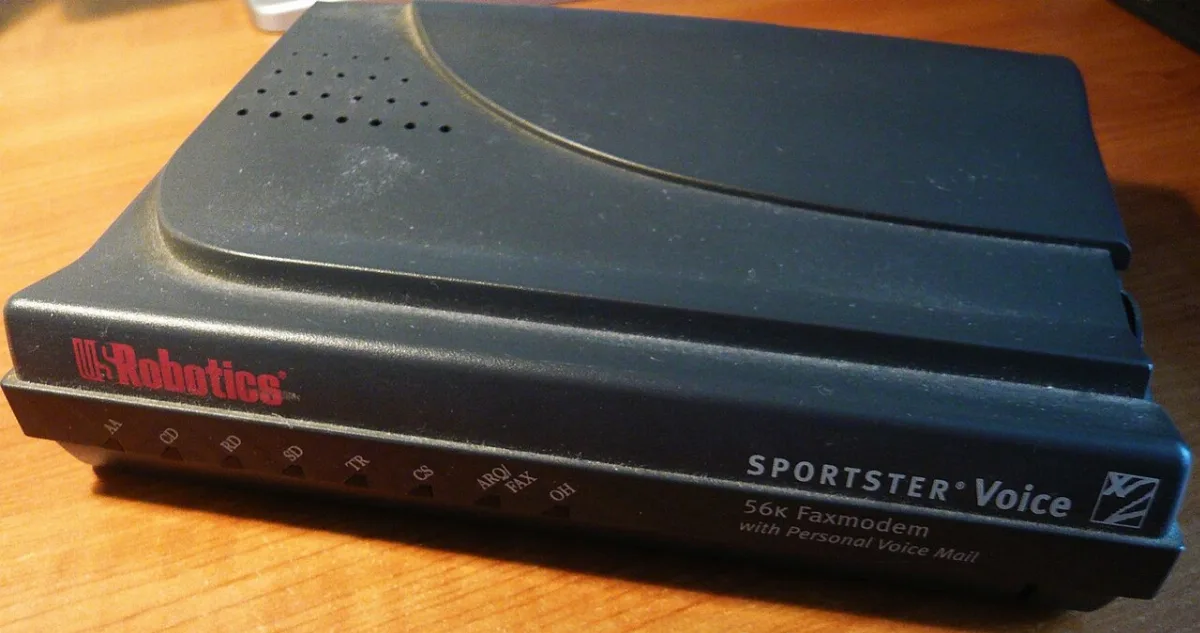
Your number was your name
Instead of a screen name, ICQ gave each person a number called a UIN. Numbers were handed out in order as people signed up, starting at 100,000. That meant a short number showed you'd been there early, and people bragged about how few digits theirs had. Some short numbers were even bought and sold, especially later on.
You could change your nickname and your email, but never your UIN. People wrote theirs on their hands and traded them on notebook paper. Some even tucked one into an email signature. Remembering your own nine-digit number was a skill. Remembering a friend's was a sign of real friendship.
What was the ICQ sound?
The ICQ sound was a cheerful "uh-oh!" that played every time a new message came in. It was meant to be fun, and it was, until you heard it twenty times an hour. It had a talent for going off at the worst moment, like right when a parent walked up behind you.
The program had other sounds too, but the uh-oh is the one people remember. Mention ICQ to anyone who used it and they'll probably say it out loud.
The little flower
ICQ's logo was a flower, and it doubled as your status light. Green meant you were online. Red meant you were gone. In between sat away, not available, occupied and do not disturb, each with its own little icon. Setting yourself to "occupied" when you didn't want to talk to someone was a whole social move.
A few years later the away message on AIM took over that job, and your status said as much about you as anything you typed.

Meeting strangers on ICQ
ICQ had a user directory and random chat features, which meant you could meet people you'd never see in real life. Some people found pen pals in other countries and stayed up late talking to someone a few time zones away. Starting in 2001, you needed someone's permission to add them to your contact list, which made things a little safer.
Messages could also wait for you. If a friend was offline, you could still send a message, and it would be there when they signed on. That small detail made ICQ feel like a mailbox you could talk through. If you liked hanging out in IRC channels, this was the same thrill with your own short list of people.
Sharing a computer with ICQ
Most homes had one computer, so ICQ had to share it. Each person in the family might have their own UIN on the same machine, and switching users meant logging out and back in. If a sibling forgot to sign out, their contact list was right there, and the temptation to read their messages was real. Plenty of family arguments started that way.

AOL, Russia and the end
In June 1998, AOL bought Mirabilis for $287 million up front, with more promised later if things went well. AOL already had AIM, and for years the two ran side by side. In the US, AIM and MSN Messenger slowly took over, but ICQ stayed hugely popular in Russia and Eastern Europe.
In 2010, AOL sold ICQ for $187.5 million to Digital Sky Technologies, which soon became Mail.Ru Group, later known as VK. ICQ kept going with new apps and a new look, but it never came close to its old fame. The company announced in May 2024 that ICQ would close, and it shut down on June 26, 2024.
A look back at ICQ, the messenger with the uh-oh sound. Watch on YouTube
ICQ by the numbers
| ICQ | |
|---|---|
| Launched | November 15, 1996 |
| First UIN | 100,000 |
| Bought by AOL | June 1998 |
| Sold to DST | April 2010 |
| Shut down | June 26, 2024 |
An ICQ away message
If the old status lines could talk, one of them might have looked like this.
the flower just turned green, somebody signed on
that uh-oh went off in the quiet moment again
waiting for permission to add someone, be patient
sending a file on dial-up, see you next week
set to occupied. still chatting though
Why it still matters
ICQ helped set the habits every messaging app still has: seeing who's around, sending a quick hello and hearing a little sound when someone answers. It showed up in the same years as AOL CDs and screech, when getting online at all felt like an event. The same urge to see who was around is why people later cared so much about who was online.
The old contact lists are gone now, and so are the numbers. Plenty of the people on them are still out there, though. Grab a crib, see who's online and send someone a message. We don't have the uh-oh, but we do have Online Now.
You Might Also Remember
 Yahoo! Answers: Where We Asked the Internet Everything
 Writing on Someone's Facebook Wall Before Timeline
 Playing Snake on a Nokia 3310
 Burning Mix CDs and Downloading Music on LimeWire
 Tamagotchi and the Keychain Pets That Needed You at School
 AIM or MSN Messenger? Everyone Picked a Side
 Bidding Wars and Sniping: eBay in the 2000s
 A/S/L? Hanging Out in AOL Chat Rooms
Your old UIN is gone, but your friends are still out there. Find them here.
Free, 18+ and no algorithm. Pick a profile song, rank your Top 8 and leave your friends comments.
Get Your Crib, It's Free