
















FriendCrib Mag
Back When Everyone Had a Xanga or LiveJournal
Xanga and LiveJournal were where we blogged in the 2000s, with a mood on every entry and friends-only locks. It was a diary friends could comment on.
 Written by Claire Donovan · 56k: ~1 min
A lot of people wrote things in their Xanga or LiveJournal that they would never say out loud, and they did it nearly every day, with a mood and a song stuck to the bottom of each entry. Those two sites were the big blogging sites of the early 2000s, and both took off in 1999. For a few years they were where a huge number of teenagers and young adults wrote about their lives, and friends read and commented on every entry.
Two sites, two personalities
LiveJournal was created by Brad Fitzpatrick in 1999, and it felt like a neighborhood. A friends page showed everyone's newest entries in order, and you could lock entries so only certain friends could read them. Communities existed for every interest you could name, from bands to knitting to one specific TV couple.
Xanga felt more like a personal homepage that happened to have a blog attached. People spent hours on their layouts, picked background music and decorated their sidebars. Readers could give an entry eProps, a small sign of approval that felt like a gold star, and the comment sections got long.
| LiveJournal | Xanga | |
|---|---|---|
| Started | 1999 | 1999 |
| Known for | Friends-only entries, communities | Custom layouts, eProps |
| The vibe | Diary with a group of friends | Homepage with a blog attached |
The tables never showed the real difference, though. One site felt like a group chat and the other felt like decorating your room.
The entry format
Almost every entry had the same pieces. A subject line, sometimes dramatic and sometimes just the date. The entry itself, which could be one line or twelve paragraphs. Then the details at the bottom: current mood, current music and sometimes current location.
Picking the mood was serious business. LiveJournal had a long list with little icons, and people chose carefully. "Contemplative" covered a lot of evenings. "Accomplished" meant the homework was done. "Indescribable" meant something big had happened and you weren't ready to talk about it.
The current music was its own message. If the song was sad, your friends would check in. If it was a love song, they'd ask who it was about, and you'd say "nobody" in a way that settled nothing.
Friends-only and the cut
LiveJournal let you lock entries so only friends could see them, and later let you choose custom groups of friends. You could write something private and share it with just the four people you trusted. Being added to someone's friends-only list felt like being handed a key.
There was also the cut, a way to hide a long entry behind a link so it didn't take over everyone's friends page. "Read more" became the polite way to post a very long feeling.
What did people write about?
People wrote about pretty much everything: school and work, crushes, breakups, best friends, fights with parents, concerts, even quizzes they had just taken and their results, plus lists of things that made them happy. Long, thoughtful entries about growing up sat right next to short, angry ones written at 1am. The angry ones usually got more comments.
Then there were the surveys, copied from friend to friend, with dozens of questions about favorite things and last times. The same habit fed the Quizilla quiz results people pasted into their journals, and on MySpace the surveys got reposted as bulletins so everyone saw everyone's answers.
A look back at how LiveJournal grew and what happened to it. Watch on YouTube
Comments as conversation
The comments were where the friendships happened. Someone would write about a bad day, and five friends would reply with support, jokes or "call me." Threads could run for days. On LiveJournal you got an email whenever someone replied, so every notification felt like a letter.
Old friends sometimes reconnected through a comment on an entry from years ago, which still happens when people find their old journals.
The layouts
On Xanga especially, the layout mattered as much as the writing. People swapped layout codes, credited the makers in their sidebars and changed their whole look with the seasons. A good layout could take an afternoon to set up. A great one had a matching blinkie, a little animated banner, made just for it.
If your sidebar was a mess, you were in good company. Most of us learned what a closing tag was by forgetting one and watching the whole page slide sideways.
Userpics and the perfect icon
On LiveJournal, every entry and comment showed a small square picture called a userpic. Paid accounts got more slots, so people collected them like stickers: a moody photo, a screenshot from a favorite show, a band logo, a tiny animated one that blinked. Choosing the right icon for an entry was part of writing it. A sad entry got the sad icon. A joke in the comments got the one with the raised eyebrow.
Whole communities existed just to share icons, with credit rules that people took seriously. If you used someone's work, you put their name in the keywords. Breaking that rule could start a long comment thread.
Writing at night
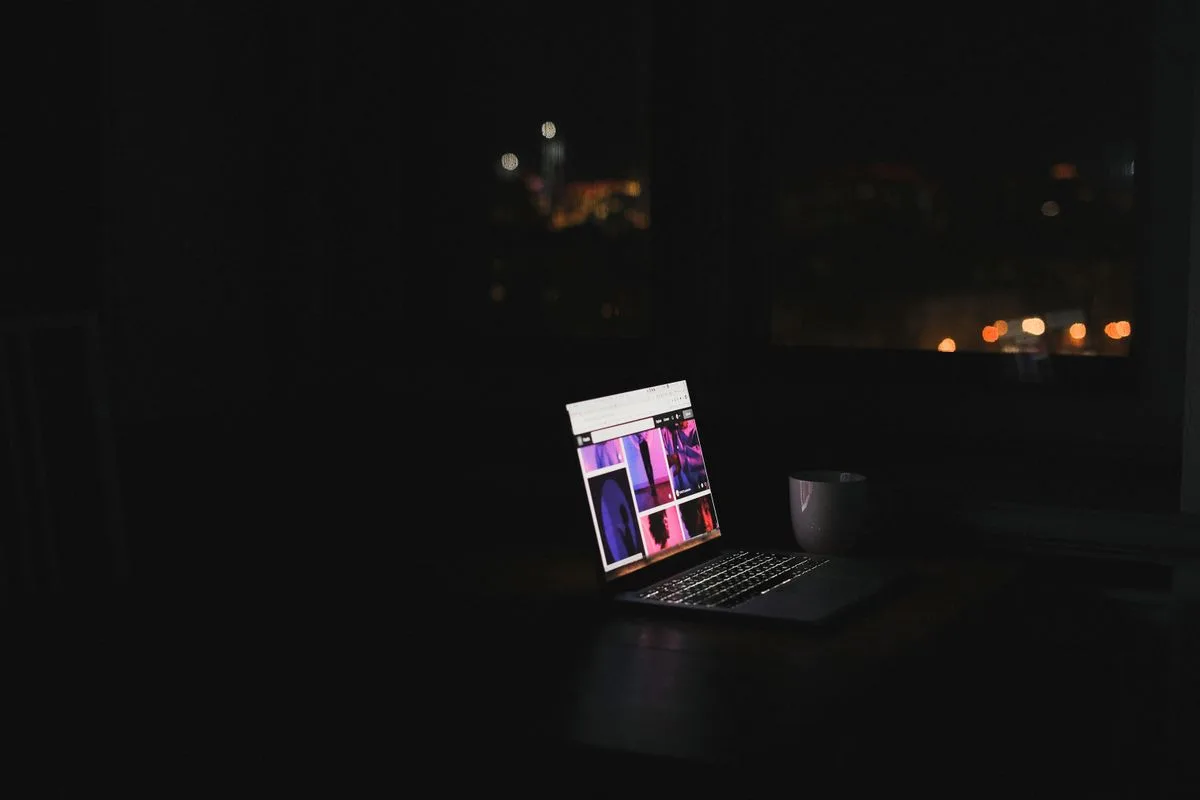
Most of the best entries were written late. The house was quiet, the computer sat in the family room or your bedroom, and a song was on repeat. You typed for an hour, read it back, deleted half, then posted it anyway. In the morning three comments were waiting, and one of them was from the friend who was also up too late. That was usually the same friend you'd left an away message for hours earlier.
Why did so many people write every day?
Writing online daily sounds like a lot now, but back then it felt natural, because your readers were mostly people you knew. You weren't writing for strangers or trying to go viral. You were writing for twelve friends who wanted to know how your week went.
It also helped you work things out. Putting a feeling into words, then reading friends' replies, got a lot of people through hard years. Plenty of those friends were the same ones you'd meet again on message boards.
Finding your old journal
Many people still have old journals out there, some public and some locked away. Finding one is funny and painful and a little wonderful. If you have one, read it with a friend, and bring a snack.
A blog with a diary built in
FriendCrib's blog was built with this era in mind. Every entry has a current mood and a "currently listening to" line. You choose who can read each entry: everyone, friends only, or only you as a private diary entry. Friends can comment, and they can subscribe to your blog so they see your new entries on their Home page.
The toolbar has buttons for bold, color, scrolling text and emoticons. It doesn't allow links, which keeps spam out of everyone's blogs. If you've been meaning to start writing again, make a crib and post a friends-only entry first.
Your journal was usually one tab among many, next to all the other sites we rushed home from school to check.
Somewhere out there is a locked entry with the mood set to contemplative and a song nobody remembers picking, still waiting for a comment.
Your Memories
Nobody has shared one yet. Be the first.
Make a free crib or sign in to add yours.
You Might Also Remember






Start a blog again, with private diary entries. Make your crib on FriendCrib.
Free, 18+ and no algorithm. Pick a profile song, rank your Top 8 and leave your friends comments.
Get Your Crib, It's Free