













FriendCrib Mag
How We Found Bands Before Algorithms
Before algorithms, we found new bands through MySpace band pages and friends' profile songs. A good Top 8 could lead you to a band nobody at school knew.
 Written by Daniel Rivera · 56k: ~1 min
Before algorithms, people found new bands by clicking around: band pages on MySpace, music sites where artists uploaded their own songs, message boards and friends' profile songs. It was slower and more random than a streaming app. Most of it came from a real person telling you "you have to hear this."
The band page
For many musicians, the band page was everything. A logo at the top, a little music player with a few songs, a list of upcoming shows, photos from the last gig and a comment section full of fans. Bands posted bulletins about new demos, tour dates and merch, and replied to fans directly.
That direct line mattered. A small band would answer your comment or message, and suddenly you weren't just a listener. You were part of something.
How did people find new bands before streaming?
Mostly through other people, in a handful of ways:
- A friend's profile song played and you couldn't stop thinking about it
- A band showed up in someone's Top 8 and you clicked out of curiosity
- A band you liked listed bands they liked, and you went down the list
- Someone posted a bulletin about a show and you went
- A message board thread called "bands nobody knows about" turned into a long list
Every one of those routes had a person behind it. You trusted the recommendation because you knew who it came from. Even the computer picks of the time felt personal, like the neighbours Last.fm matched you with, or a Pandora station built from one song you loved.
The local band
Every town had one. They played the all-ages venue, the coffee shop or someone's backyard. Their page had a few demo songs recorded in a garage, and everyone you knew had one of those songs on their profile at some point.
Some of these bands got bigger. Most didn't, and that was fine. They were your band, and seeing them live for five dollars was the best Friday night you could ask for.

Bands looking for a new drummer posted on Craigslist, right next to the free couches.
Demos and the rough versions
A lot of songs online were demos: rough recordings with a little hiss, a drum that was slightly too loud and vocals recorded in one take. Fans often loved those versions more than the polished album that came later. Many of those demos lived only on band pages, which is why the loss of MySpace's early uploads hit so hard.
Those demos got played on repeat in Winamp, usually under a skin that matched the band's vibe.
Going to shows
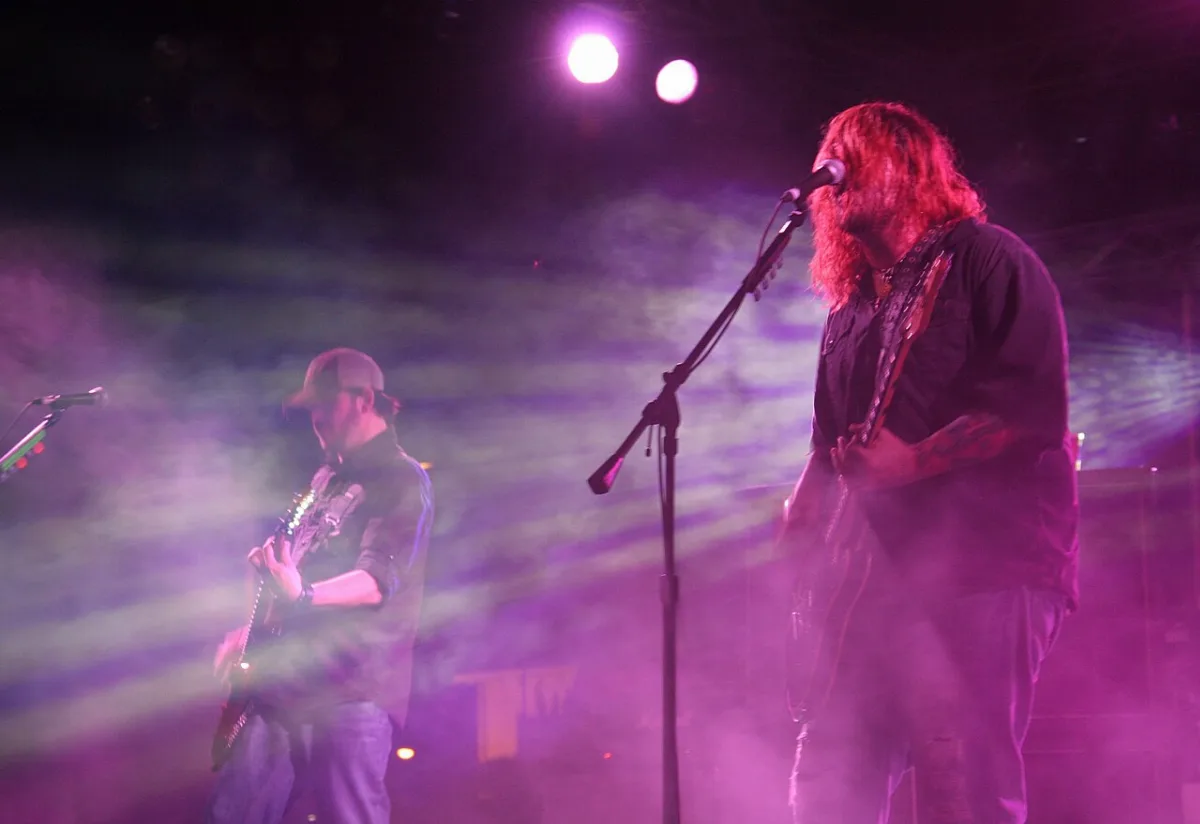
Online discovery led straight to real life, and every summer it led to Warped Tour. You'd see a show listed on a band page, convince a friend to come, and end up in a small crowd singing along to songs you'd only heard through computer speakers. Afterward, you'd post photos, leave a comment on the band's page and add new friends you met in line.
The internet was the way in. The show was where it became real.
The message board list
Music boards had threads that ran for years with titles like "what are you listening to right now." People posted a band and a song, someone replied that they'd seen them live, and someone else asked for more like it. You'd scroll through fifty pages with a notepad open, writing down names to look up later. Half the list turned out to be great. Other threads were about the songs from last night's episode of The O.C.
Making mixes for friends
Once you found a band, you shared them. You put their song on your profile, added it to a burned CD for a friend or posted it in an away message. Spreading a band you loved was part of the fun, and being the first in your group to find them was a small point of pride.
Looking back at the scene bands that grew up on MySpace. Watch on YouTube
The profile song as a billboard
For bands, getting onto someone's profile was the best advertising there was. Every visitor heard the song, and many of them clicked through to find out who it was. Bands knew this. Some asked fans directly to put a track on their profiles, and fans were happy to, because having a band's new song first said something about you.
It also worked backward. If the song on a crush's profile was by a band you'd never heard of, you went and listened to the whole page that night, just in case it came up.
Street teams and the merch table
Some bands had street teams, groups of fans who helped spread the word. They posted bulletins, handed out flyers at school and reminded everyone about Saturday's show. In return they might get a shout-out, a sticker or a free shirt. It was word of mouth with a little organization behind it.
The merch table at a show was its own small world. A folding table, a box of shirts in three sizes, a stack of burned demos in paper sleeves and a sign-up sheet for the mailing list. Buying a shirt straight from the drummer felt like supporting a friend.
A few years later, Guitar Hero did the same thing for a lot of classic rock bands, sending players off to find the full albums.
What changed
Streaming apps made it easy to hear almost anything, and recommendation systems now suggest songs automatically. That's convenient, and it helps a lot of artists find listeners. But much of the personal side faded: the comment on the band's page, the bulletin about Friday's show, the friend who wouldn't stop talking about a band until you listened.
Music on FriendCrib
FriendCrib Music is built for this. Bands and artists can make a page, upload songs, list shows and post videos. Fans can become fans, leave comments and add a song to their crib so every visitor hears it. Each week, a Band of the Week gets featured on everyone's Home page, picked by a real person.
You can hop around and hear what everyone picked on Crib Radio, or browse bands by genre on FriendCrib Music.
If you play in a band, sign up, make a page for it and post your next show.
You are visitor # 00018902
Why small bands still need this
For independent musicians, being found is still the hardest part. A real person sharing a song with their friends is worth more than almost anything else. That hasn't changed since the days of profile songs and band pages.
Your Memories
Nobody has shared one yet. Be the first.
Make a free crib or sign in to add yours.
You Might Also Remember
 Old-School HTML Tricks You Can Still Use
 How We Picked Our Screen Names
 Building Coasters in RollerCoaster Tycoon
 Pausing Live TV With a TiVo
 Blockbuster Fridays and Netflix DVDs in Red Envelopes
 Buying Now That's What I Call Music CDs
 Picking a Profile Song Was a Big Deal
 Scrobbling Every Song to Last.fm
Find your next favorite band on FriendCrib Music.
Free, 18+ and no algorithm. Pick a profile song, rank your Top 8 and leave your friends comments.
Get Your Crib, It's Free