FriendCrib Mag
Trading Pokémon With a Link Cable
Pokémon Red and Blue reached North America in 1998, and catching all 150 meant plugging two Game Boys together. Playground rumors filled in the rest.
 Written by Daniel Rivera · 56k: ~1 min
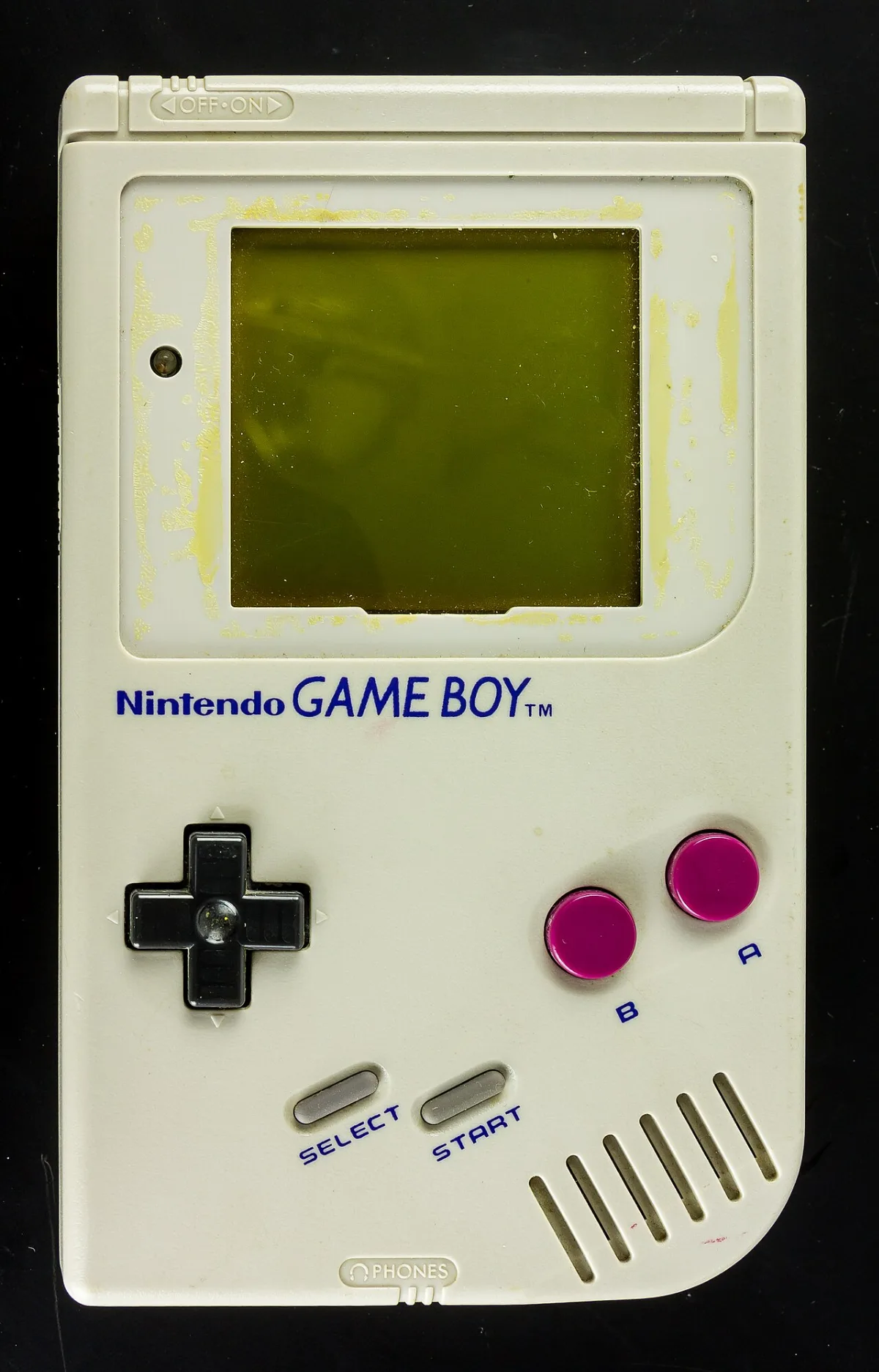
Could you finish Pokémon Red and Blue on your own? Not really, and the Game Link Cable is why. The Game Boy games, where you caught creatures and battled them, reached North America on September 28, 1998. Some Pokémon only showed up in one version and some only evolved when traded, so filling your Pokédex meant plugging into a friend's Game Boy.
The games sold more than 31 million copies around the world, and the craze spilled over into trading cards and a TV show. For a lot of kids in the late 1990s, a Game Boy and a short gray cable were the center of every sleepover.
Two versions, one cable
Red and Blue were almost the same game with a few differences. Some Pokémon could only be caught in Red, like Ekans, Growlithe and Scyther, while others only lived in Blue, like Vulpix, Meowth and Pinsir. If you wanted all of them, you needed a friend with the other version and a cable to connect your Game Boys.
Pokémon was built so kids would play together and compare notes. A few Pokémon, like Kadabra and Machoke, only evolved when they were traded, so even a friend with the same version came in handy. Nobody was as popular as the kid who owned a spare Kadabra.

How did you trade Pokémon on the Game Boy?
You traded Pokémon by connecting two Game Boys with a Game Link Cable and meeting at the Cable Club inside any Pokémon Center. Both players talked to the woman at the counter, sat at the table and picked which Pokémon to send. Then you watched yours travel through a little animated tube to the other side, and you held your breath until it came out. The same cable let you battle each other, which settled a lot of playground arguments.
Trading had rules nobody wrote down. If you borrowed a Pokémon, you traded it back. You didn't trade away a friend's favorite. And you never turned off the Game Boy in the middle of a trade, because nobody wanted to find out what happened next.
Starters and favorites
At the start, Professor Oak let you pick one of three Pokémon: Bulbasaur, Charmander or Squirtle. The choice felt huge, and people still defend theirs today. Your rival picked whichever one had the advantage over yours, so the first battle got a little personal.
Plenty of kids gave that rival a rude name, since the game let you type in whatever you wanted. Naming the bad guy yourself was a small thrill nobody expected from a Game Boy game.
Mew and the playground rumors
Mew was hidden inside the game, but you couldn't catch it by playing normally. Nintendo gave it out at special events, and some players found it through a glitch. That mystery fed a whole world of rumors. Kids swore Mew was under a truck near the S.S. Anne, or that a special trick in a certain city would reveal it.
Everybody also knew a cousin's friend's brother who had definitely caught one. Today you'd settle it with a search, but back then you asked the kid at the next lunch table or some message board. Almost none of it was true. Plenty of us still spent an afternoon trying to push that truck with Strength, just in case.
How Pokémon Red and Blue were made, and why they took over playgrounds. Watch on YouTube
MissingNo. and the old man glitch
The most famous glitch in Pokémon was MissingNo. If you watched an old man show you how to catch Pokémon in Viridian City, then flew to Cinnabar Island and surfed along the coast, a scrambled-looking Pokémon could appear. Fans called it the old man glitch. It also boosted the sixth item in your bag by more than a hundred, which made it the easiest way to get endless Rare Candies.
Nintendo warned players that touching it could erase their game or mess up their graphics, and Nintendo Power covered it in 1999. Plenty of kids tried it anyway, and plenty of saves survived. The ones that didn't made for a very quiet car ride home.
When did schools ban Pokémon cards?
Principals in several states banned or limited Pokémon cards in 1999, because kids were losing valuable ones and getting upset. The cards and the TV show had turned the game into a full craze. Kids traded cards at lunch and argued about which ones were rare, and some lost their best ones along the way. Some schools only banned trading, so kids just compared their binders instead.
Pokémon Yellow came out in North America in October 1999. It let a Pikachu follow you around outside its Poké Ball, just like on the show, and the cartoon villains Jessie and James showed up too.
Pokémon Stadium and the Transfer Pak
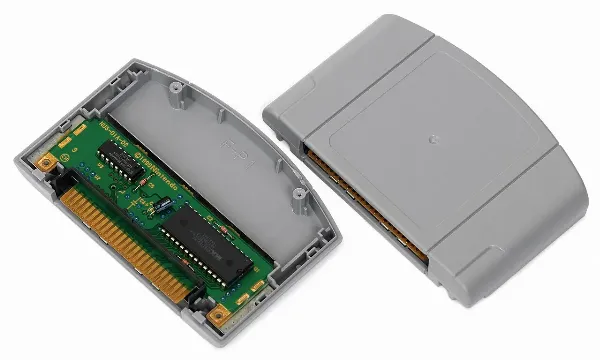
In early 2000, Pokémon Stadium came out in North America for the Nintendo 64. It came with the Transfer Pak, a gray plug that clicked into the back of the controller and held a Game Boy cartridge. For the first time, you could load the team you had raised on your Game Boy and watch it fight in 3D on the TV. The same consoles spent plenty of nights running GoldenEye 007 matches.
The sleepover changed. Instead of two kids hunched over tiny screens, everyone in the room could watch the battle. Your Charizard finally looked big, and your friend's overleveled Mewtwo finally looked unfair. The game also let you play Red and Blue on the TV screen, which helped anyone whose Game Boy screen was hard to see at night.

Pokémon Gold and Silver followed in October 2000 with 100 new Pokémon, a day and night clock and a second region to explore after the first one. You could even trade back to Red and Blue with the same link cable, as long as you only sent Pokémon the older games knew about. Kids who swore they were done with Pokémon were back at it by Christmas. A few years later, the same crowded living rooms hosted Halo 2 nights on the Xbox.
What we all remember
- Fighting over who got to be Player 1 on the cable
- Losing a battle to a friend's overleveled Pokémon
- Asking for a Pokémon back after an "only for a day" trade
- Saving the game before every big battle
- The SNES sitting in your character's bedroom in the first scene
- Batteries dying in the middle of Victory Road
Gotta catch them all
The slogan was a challenge nobody could finish alone, which is why the games felt so social. It worked a lot like checking on your Neopet and then comparing notes at school. The handheld side carried on with the Nintendo DS and PictoChat a few years later.
You can't trade Pokémon on FriendCrib, but you can trade comments. Make a crib and put your starter in your About Me.
You Might Also Remember





Post your starter Pokémon on your crib. We all know it was the right pick.
Free, 18+ and no algorithm. Pick a profile song, rank your Top 8 and leave your friends comments.
Get Your Crib, It's Free