
















FriendCrib Mag
LAN Parties: Hauling a CRT Monitor to a Friend's House
A LAN party meant hauling a tower and a heavy CRT monitor to a friend's basement. Then you played Counter-Strike or Halo until the sun came up.
 Written by Daniel Rivera · 56k: ~1 min
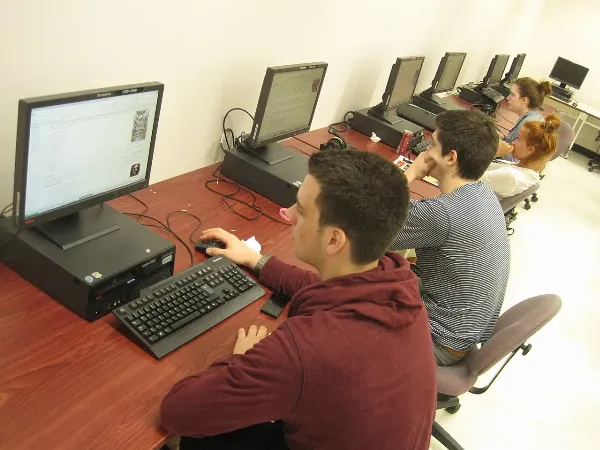
In the late 1990s, a Friday night could start with two people trying to carry a CRT monitor down a flight of basement stairs. That was a LAN party: friends hauled their computers or game consoles to one house, linked them on a local network (the LAN) and played against each other in the same room. In the late 1990s and 2000s, it often meant a heavy desktop tower, a bulky monitor, cables across the floor and Counter-Strike, StarCraft or Halo until morning. Some LAN parties were four friends and a pizza, and some were huge events with hundreds of players. Faster home internet and online play made them less common, but plenty of people still call those nights the best of their gaming lives.
Why everyone came over
Internet connections back then were often too slow for smooth online games, especially on dial-up. Connecting computers directly to each other in one room was much faster, so the games ran better. It was also more fun to beat someone you could hear yelling across the room. Once broadband spread, games like World of Warcraft let millions play together without anyone leaving home.
Whoever had a big basement, a patient family and enough outlets ended up as the host. Nobody voted on it.

Hauling the gear
The hardest part happened before anyone played. Desktop computers were heavy, and CRT monitors were heavier, deep and awkward to carry. People loaded towers, monitors, keyboards, mice, headphones and power cords into cars, sometimes with blankets to keep everything from sliding around the back seat. The ones who stayed home that weekend were usually building theme parks in RollerCoaster Tycoon.
Carrying a big monitor down a flight of stairs into a basement took two people and a lot of shouting about whose turn it was to walk backward. Forgetting your power cable was a disaster. Somebody always forgot something. Getting to a new friend's house for the first time usually meant printing directions and hoping for the best.
Setting up the network
Once everyone arrived, you had to connect the computers. A couple of players could use a single crossover cable. A bigger group needed a hub or a switch and a cable for each machine. Then came the settings, IP addresses and firewall problems, while everyone else stood around saying "it works on mine."
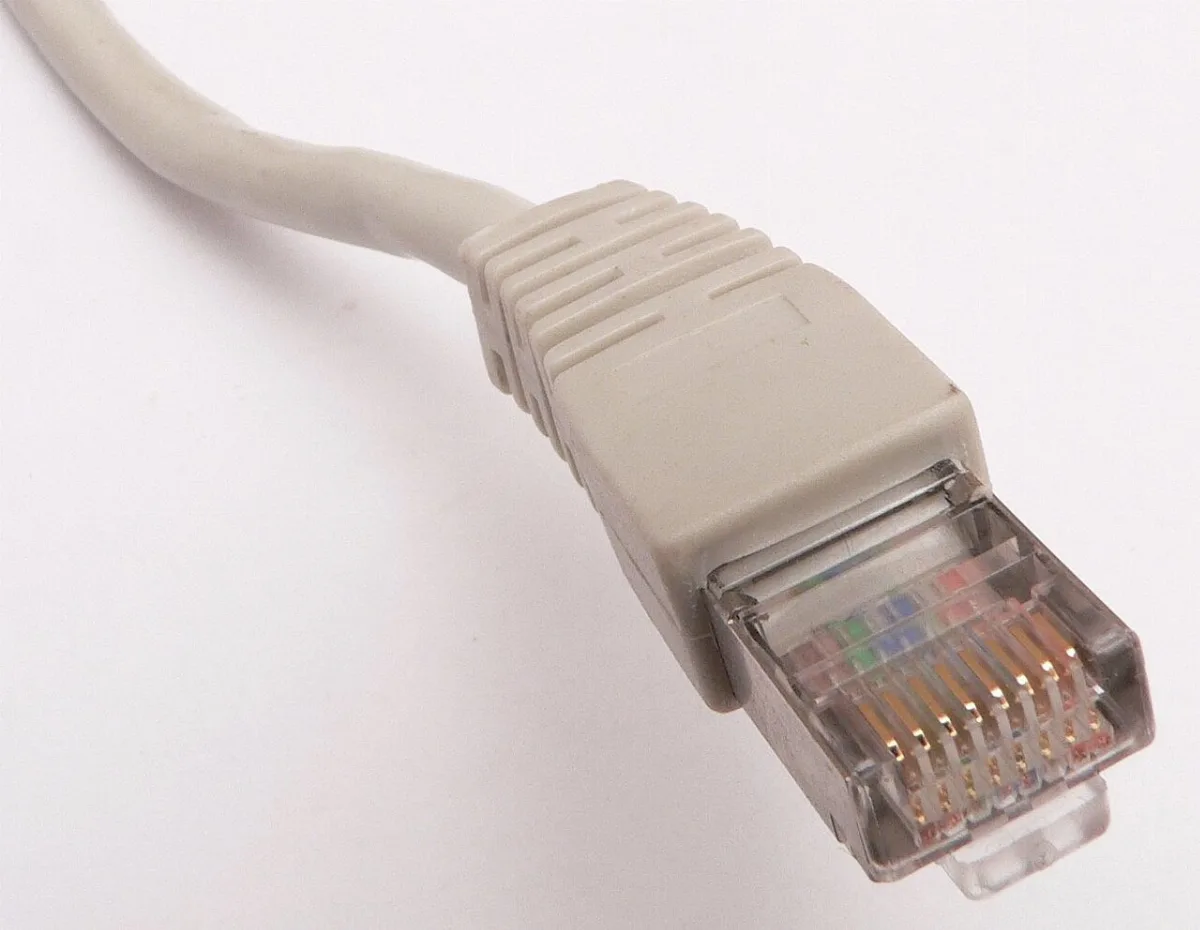
Getting every computer to see the game could take an hour. When it finally worked, the cheer was loud enough to wake the parents upstairs.
The last one was always somebody's laptop that nobody could name and nobody dared unplug.
What did people play at a LAN party?
Counter-Strike was the big one, with teams of terrorists and counter-terrorists playing short rounds on maps everyone knew by heart. Strategy fans played StarCraft, Age of Empires and Warcraft III. Quake and Unreal Tournament were fast and chaotic. On consoles, Halo for the Xbox let several systems link up for big matches, with the TVs and Xboxes carried over the same way.
Arguments about which game to play next could take as long as the games themselves.
Snacks and power
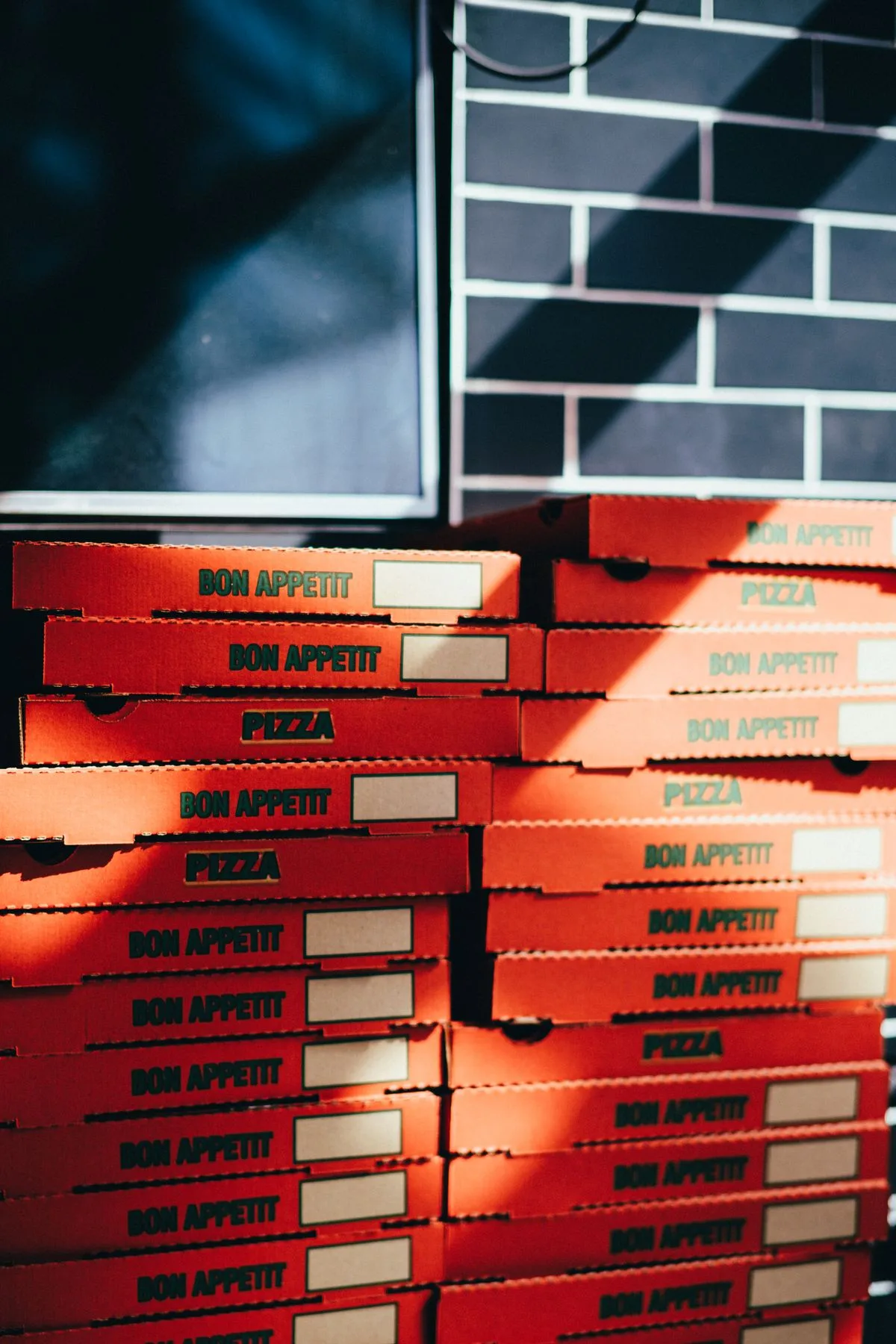
LAN parties ran on energy drinks, soda, pizza and chips, plus a giant bag of candy that somebody always brought. All those computers and monitors drew a lot of power, and tripping a circuit breaker in the middle of a match happened at nearly every one. Then came the scramble to find the breaker box in the dark.
The room got hot fast. Dozens of fans, glowing screens and excited people turned a cool basement into a sauna by midnight.
All-nighters
Many LAN parties went all night. People played until they fell asleep in their chairs, on couches or on the floor next to their computers. The few still awake at dawn had a special kind of pride, and no one else was awake to see it. Morning brought cold pizza and the long process of packing everything back up.
Voice and trash talk
Since everyone was in the same room, there was no need for headsets. You just yelled. Trash talk bounced around the basement, along with groans, cheers and accusations of screen-looking, which meant peeking at someone else's monitor to see where they were. Some groups put up cardboard dividers to stop it. Others made it part of the game.
Matches could get heated, but most fights ended with someone laughing and loading the next map.
Basement LAN parties, and why so many people still miss them. Watch on YouTube
Sharing files
With all the computers connected, LAN parties were also a time for swapping things. People passed around music folders, game patches, funny videos and new maps. You went home with a hard drive full of songs you'd never heard of, a bit like coming home from a sleepover with a stack of burned CDs.
The big events
Some LAN parties got huge. Events like QuakeCon in Texas and DreamHack in Sweden brought together hundreds or thousands of players, each with their own computer at long rows of tables. People camped out for days and finally met players they'd only known online.
Parents and pizza money
Hosting a LAN party usually meant negotiating with the parents who owned the house. They worried about the electric bill, the noise and how many teenagers would be sleeping on their floor. In exchange, there were promises to clean up, keep it down after midnight and chip in for pizza. Some parents ended up hanging around to watch a match or two, and a few even asked to play.
Do people still have LAN parties?
Some people do, but far fewer than in the 2000s. Fast home internet made online play easy, and games built for the internet took away the need to share a room. Laptops got lighter, but the gatherings faded anyway. Some groups still hold LAN parties for the fun of it, and a few big events continue, but carrying a CRT monitor to a friend's house is mostly a memory.
Little things nobody planned for
- Labeling your cables with tape so they didn't get mixed up with everyone else's
- The kid whose computer could barely run the game, who still never missed a party
- Turning off the lights for the scary maps
- Recording funny moments by yelling about them for weeks
Those nights had a lot in common with the message boards where people planned the next one and argued about who really won.
Get the crew back
Your old LAN crew can start a FriendCrib group and plan the reunion there. Join FriendCrib, start a group and see who still has their old monitor.
You are visitor # 00000064
Your Memories
Nobody has shared one yet. Be the first.
Make a free crib or sign in to add yours.
You Might Also Remember




Get the crew back together online. Make your crib on FriendCrib.
Free, 18+ and no algorithm. Pick a profile song, rank your Top 8 and leave your friends comments.
Get Your Crib, It's Free